
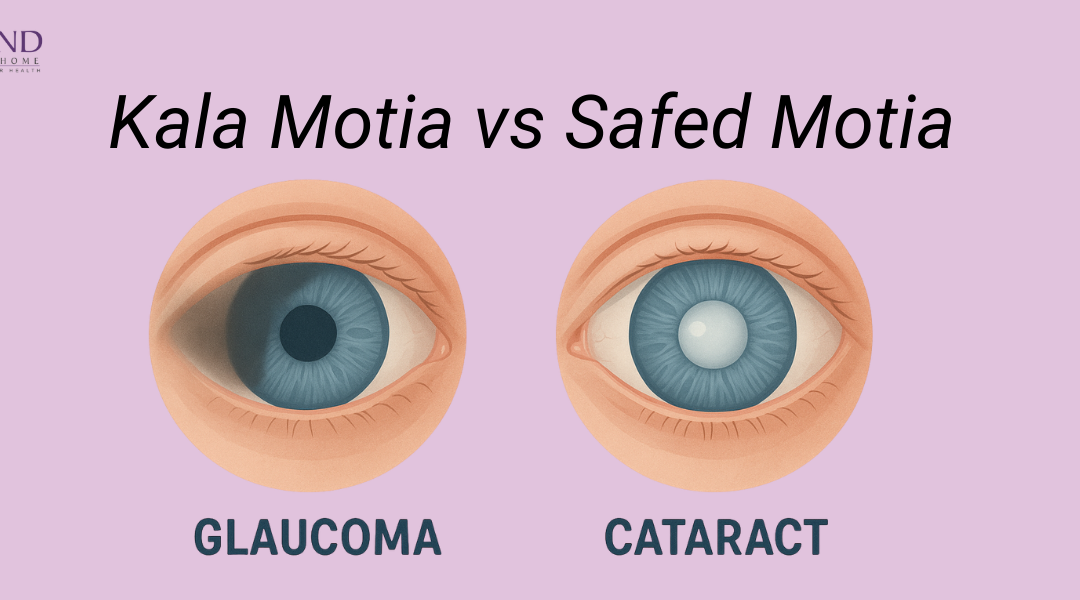
When it comes to eye diseases, two of the most commonly misunderstood conditions are Kala Motia (Glaucoma) and Safed Motia (Cataract). Many people confuse the two because both lead to vision problems, but they are completely different in cause, symptoms, treatment, and long-term effects.
In this detailed guide, Dr Ripan Kaur Kamra, a renowned eye specialist, explains the difference between Kala Motia and Safed Motia to help patients identify symptoms early and seek timely treatment.
What is Kala Motia (Glaucoma)?
Kala Motia, medically known as Glaucoma, is an eye disease in which the optic nerve gets damaged, usually due to increased eye pressure. This condition can cause irreversible vision loss if not diagnosed early.
Key Features of Kala Motia
- Caused by increased intraocular pressure
- Damages the optic nerve
- Vision loss is permanent
- Often called the “silent thief of sight”
- Requires lifelong management
Symptoms of Kala Motia
Kala Motia usually shows no symptoms in early stages, making regular eye checkups essential.
But advanced symptoms may include:
- Gradual loss of peripheral (side) vision
- Severe eye pain (in acute glaucoma)
- Redness and headache
- Blurred vision
- Seeing halos around lights
Treatment for Kala Motia
According to Dr Ripan Kaur Kamra, early detection is crucial. Treatment options include:
- Eye pressure–lowering medications
- Laser therapy
- Glaucoma surgery (Trabeculectomy or MIGS)
Glaucoma cannot be cured, but it can be controlled.
What is Safed Motia (Cataract)?
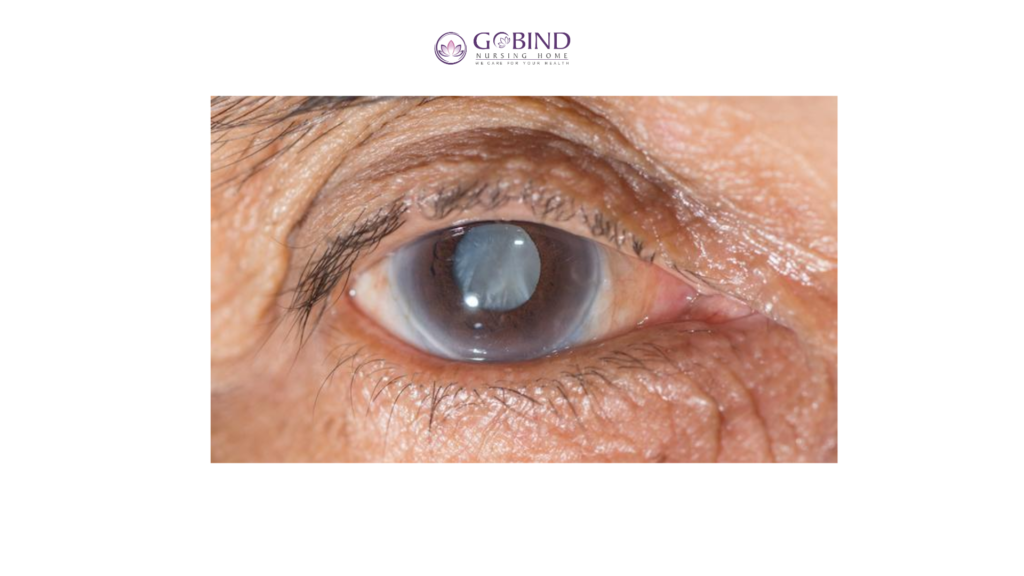
Safed Motia, or Cataract, is a condition where the natural lens of the eye becomes cloudy, leading to blurry or dim vision. Unlike Kala Motia, cataracts are fully treatable through surgery.
Key Features of Safed Motia
- Clouding of the eye’s natural lens
- Mostly develops slowly with age
- Vision loss is reversible after surgery
- Very common in people above 50
Symptoms of Safed Motia
- Blurry or cloudy vision
- Difficulty seeing at night
- Sensitivity to bright light
- Faded colors
- Frequent changes in glasses power
Treatment for Safed Motia
Cataract surgery is safe, quick, and effective.
Dr Ripan Kaur Kamra performs:
- Phacoemulsification surgery
- Premium IOL implantation
After cataract surgery, most patients experience clear vision within 24–48 hours.

Kala Motia vs Safed Motia: Key Differences
| Feature | Kala Motia (Glaucoma) | Safed Motia (Cataract) |
|---|---|---|
| Cause | High eye pressure damaging optic nerve | Clouding of natural lens |
| Vision Loss | Irreversible | Reversible |
| Pain | Sometimes painful | No pain |
| Treatment | Medicines, laser, surgery | Simple cataract surgery |
| Urgency | Medical emergency (in some cases) | Treatable when vision is affected |
| Risk | Permanent blindness | Full recovery expected |
Which Condition Is More Dangerous?
Kala Motia is more dangerous because it causes permanent, irreversible loss of vision if not treated on time.
Safed Motia, on the other hand, causes visual disturbance but is 100% treatable with surgery.
Who Is at Higher Risk?
Risk Factors for Kala Motia
- Family history
- Diabetes
- Age above 40
- High eye pressure
- Past eye injuries
Risk Factors for Safed Motia
- Age above 50
- Diabetes
- Long-term steroid use
- Excessive sunlight exposure
- Smoking
When Should You Visit an Eye Specialist?
Dr Ripan Kaur Kamra recommends scheduling an eye checkup if you experience:
- Sudden blurred or dim vision
- Difficulty driving at night
- Eye pain or pressure
- Appearance of halos or glare
- Family history of glaucoma
Regular eye examinations can prevent complications and ensure timely treatment.
Expert Advice from Dr Ripan Kaur Kamra
- Visit your eye specialist every 6–12 months
- Never ignore headaches or eye pressure
- Cataract surgery should not be delayed when vision starts affecting daily activities
- Glaucoma patients must never stop medications without consulting a doctor
Conclusion
Understanding the difference between Kala Motia vs Safed Motia is essential for early detection and proper treatment. While Safed Motia is easily treatable, Kala Motia requires lifelong care and timely diagnosis to prevent irreversible blindness.
For accurate diagnosis, personalized treatment, and expert guidance, consult Dr Ripan Kaur Kamra, a trusted name in eye care and cataract–glaucoma treatment.