
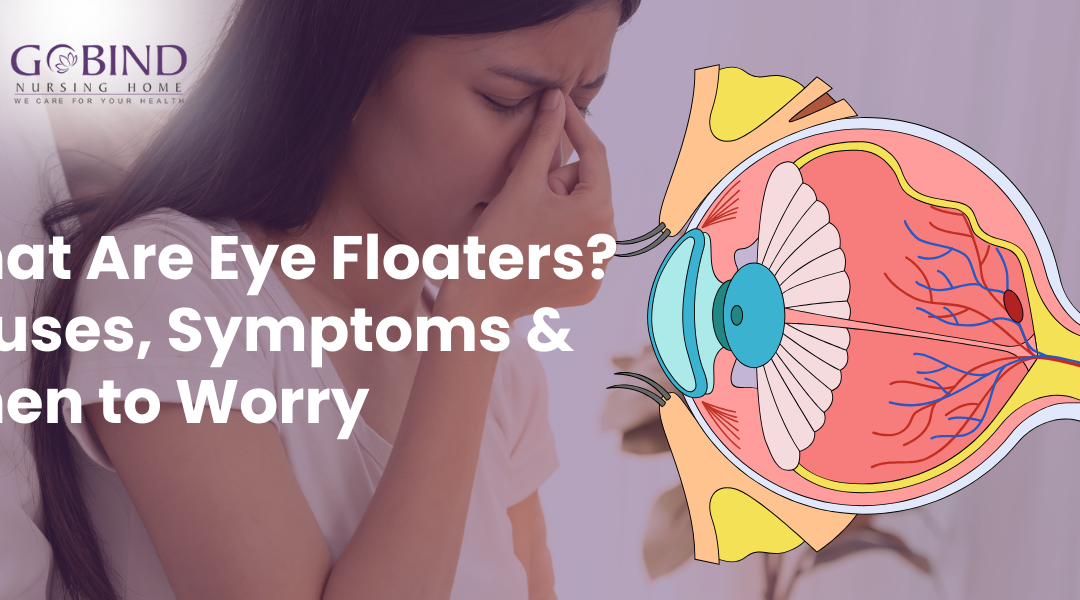
Eye floaters are one of the most common vision concerns people experience, especially after the age of 40. They appear as small spots, cobwebs, strings, or shadowy shapes that drift across your field of vision. While most eye floaters are harmless, there are times when they may signal a more serious eye condition.
In this comprehensive guide, Dr Bindiya Dhupper, a trusted eye specialist in Hisar, explains what causes eye floaters, the symptoms to watch for, and when you should seek immediate medical care.
What Are Eye Floaters?
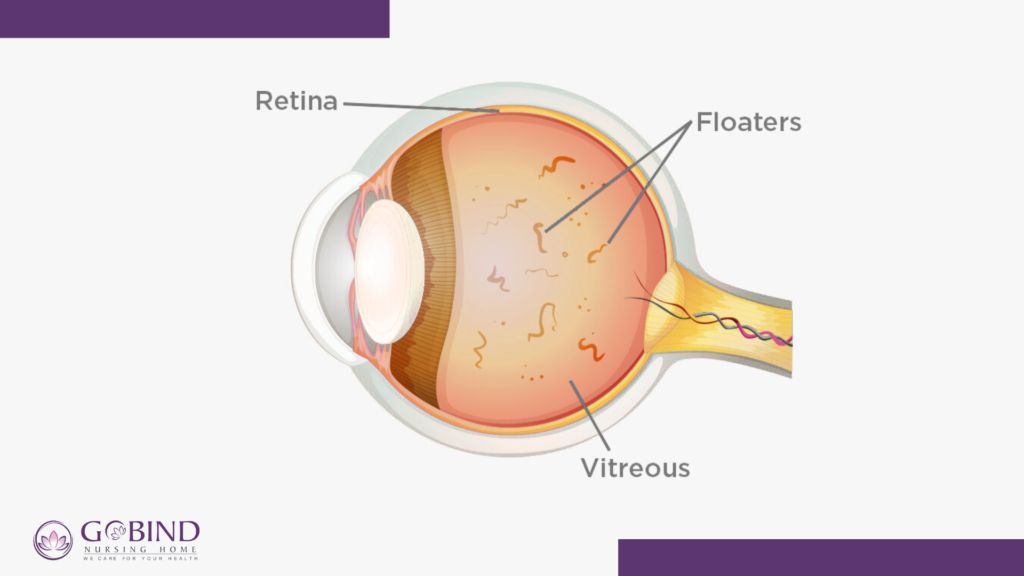
Eye floaters are tiny clumps of gel or cells inside the vitreous—the clear gel-like substance that fills the inside of your eye. As light enters the eye, these small particles cast shadows on the retina, appearing as floating specks or lines.
Common Descriptions of Eye Floaters:
- Black or gray dots
- Thread-like strands
- Cobweb-like patterns
- Squiggly or wavy lines
- Rings or circles
- Cloudy or shadowy spots
Most floaters move when your eyes move, and they drift away when you try to focus directly on them.
Causes of Eye Floaters
Eye floaters can occur due to various natural and medical reasons. Understanding the cause is essential to determine whether they are harmless or require treatment.
1. Age-Related Changes (Most Common Cause)
As you age, the vitreous gel begins to shrink and liquefy—a process called vitreous degeneration. Small fibers in the gel clump together and create shadows that appear as floaters.
2. Posterior Vitreous Detachment (PVD)
PVD occurs when the vitreous gel pulls away from the retina. This is a very common cause of sudden floaters, especially in people above 50.
3. Nearsightedness (Myopia)
People with high myopia are more prone to floaters at a younger age due to structural changes in the eye.
4. Eye Injury or Trauma
Any blow to the eye can disrupt the vitreous and cause floaters.
5. Eye Inflammation (Uveitis)
Inflammation of the eye tissues can lead to debris in the vitreous, resulting in floaters.
6. Bleeding in the Eye (Vitreous Hemorrhage)
Eye bleeding from diabetes, hypertension, or injury can cause dark floaters.
7. Retinal Tear or Retinal Detachment (Emergency!)
A sudden shower of floaters can be a sign of a retinal tear or retinal detachment, both of which are medical emergencies.
Symptoms of Eye Floaters
While floaters themselves are quite common, it’s important to recognize the symptoms that may indicate something more serious.
Common Symptoms:
- Seeing dots, lines, rings, or cobwebs
- Floaters moving with eye movement
- Floaters more noticeable on bright backgrounds
- Occasional mild flashes of light
Warning Symptoms That Need Immediate Attention:
- Sudden increase in number of floaters
- Flashes of light in your vision
- A dark curtain or shadow spreading across your sight
- Loss of peripheral vision
- Sudden blurred or distorted vision
If you notice any of these symptoms, Dr Bindiya Dhupper advises seeking urgent evaluation, as they may signal a retinal detachment requiring immediate treatment.
Are Eye Floaters Dangerous?
Most floaters are benign and do not require treatment. They may become less noticeable over time as the brain learns to ignore them.
However, in certain cases, floaters can be a warning sign of serious eye conditions.
When Should You Consult Your Doctor?
You should schedule an eye checkup if you experience:
- New floaters that weren’t there before
- Sudden increase in floaters
- Flashes of light
- Blurred or distorted vision
- Difficulty reading or seeing clearly
- Family history of retinal problems
- Floaters after cataract surgery or eye trauma
Early diagnosis is key to preventing complications such as retinal tears or retinal detachment.
Treatment Options for Eye Floaters
Most floaters do not require active treatment. But for persistent or severe cases, the following options may be considered:
1. Observation & Monitoring
Mild floaters usually fade or become less bothersome with time.
2. Vitrectomy (Surgical Treatment)
In severe cases where floaters significantly impair daily activities, vitrectomy surgery removes the vitreous gel completely.

Can Eye Floaters Be Prevented?
While aging-related floaters cannot be completely prevented, maintaining good eye health can reduce risks.
Tips from Dr Bindiya Dhupper:
- Control diabetes and blood pressure
- Wear protective eyewear
- Get regular eye checkups
- Avoid excessive screen strain
- Maintain a healthy diet rich in antioxidants
- Avoid smoking
Conclusion
Eye floaters are usually harmless, but understanding their causes and symptoms helps you know when to seek help. If floaters appear suddenly or are accompanied by flashes of light or vision loss, it may indicate a serious retinal issue.
For early diagnosis, expert evaluation, and advanced treatment options, consult Dr Bindiya Dhupper, a trusted name in comprehensive eye care and retina screening.
Also Read
Common Eye Injuries