
Dry Eyes Surgery
Dry Eye
It normally presents with irritation, grittiness and foreign body sensation in the eye. It is caused by a wide variety of conditions. Evaporative dry eye is commonly seen in people who typically work more than 8 hours on computer screens. Dry eye is also seen in people suffering from thyroid and joint related disorders, as well as, in people using medication for neurological disorders.
Gobind Eye Care centre is equipped with state of the art diagnostic equipment to help diagnose and treat your dry eye.

NEVER LET DRY EYES BLUR YOUR HAPPINESS
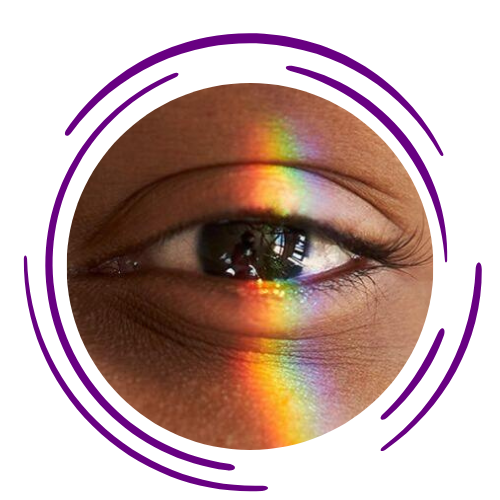
What Happens In Dry Eyes
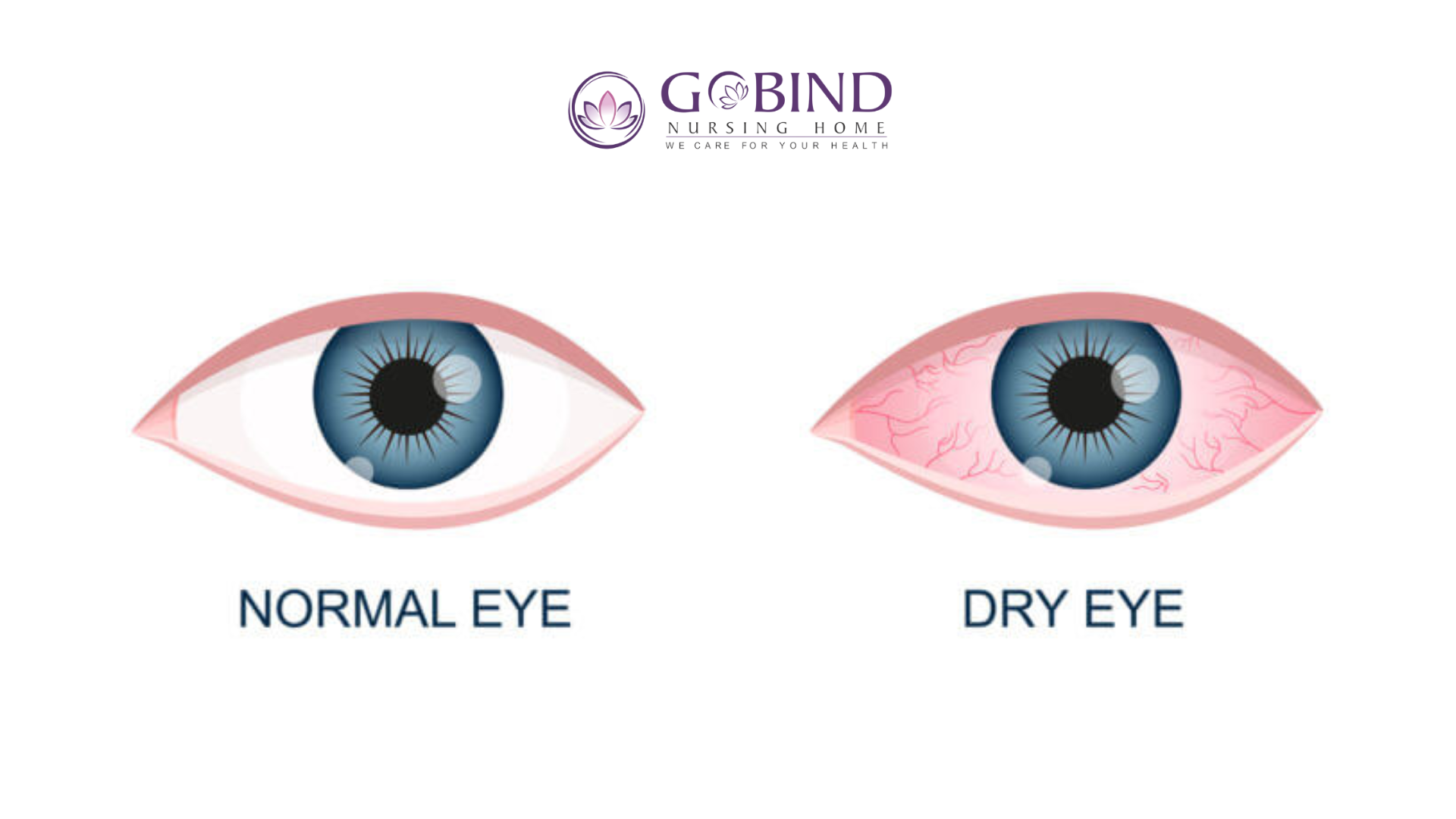
Symptoms
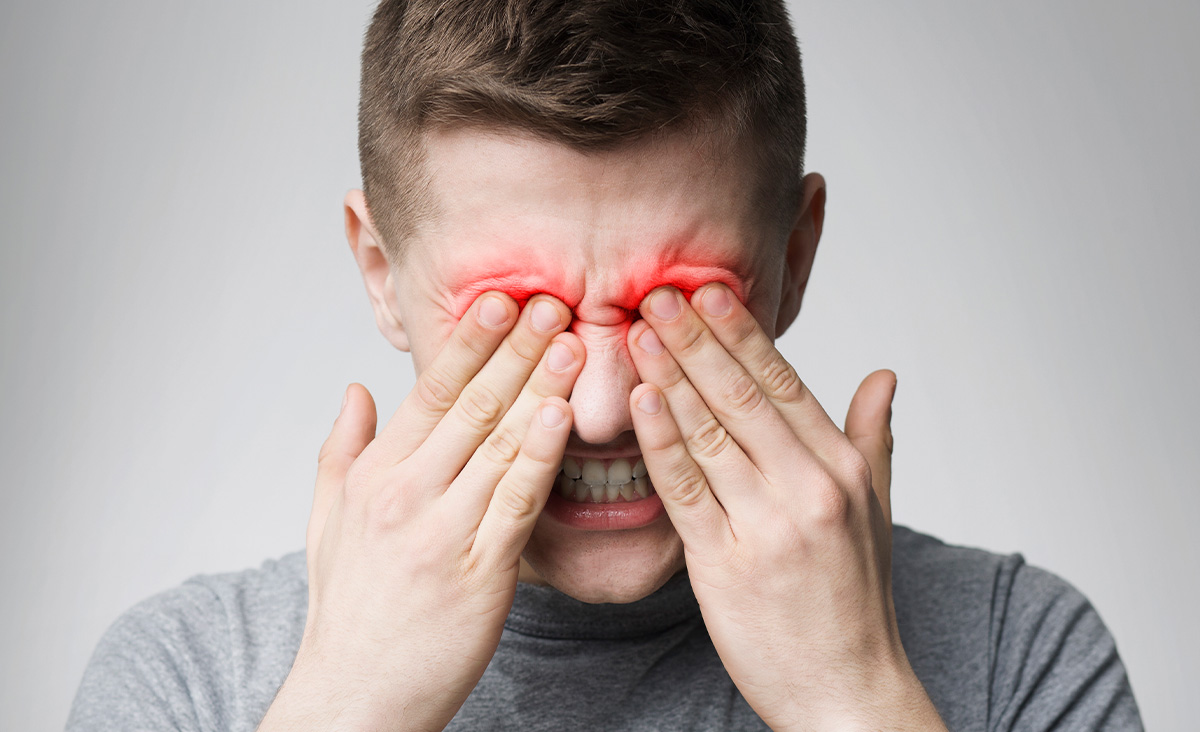
Burning or Stinging Sensations
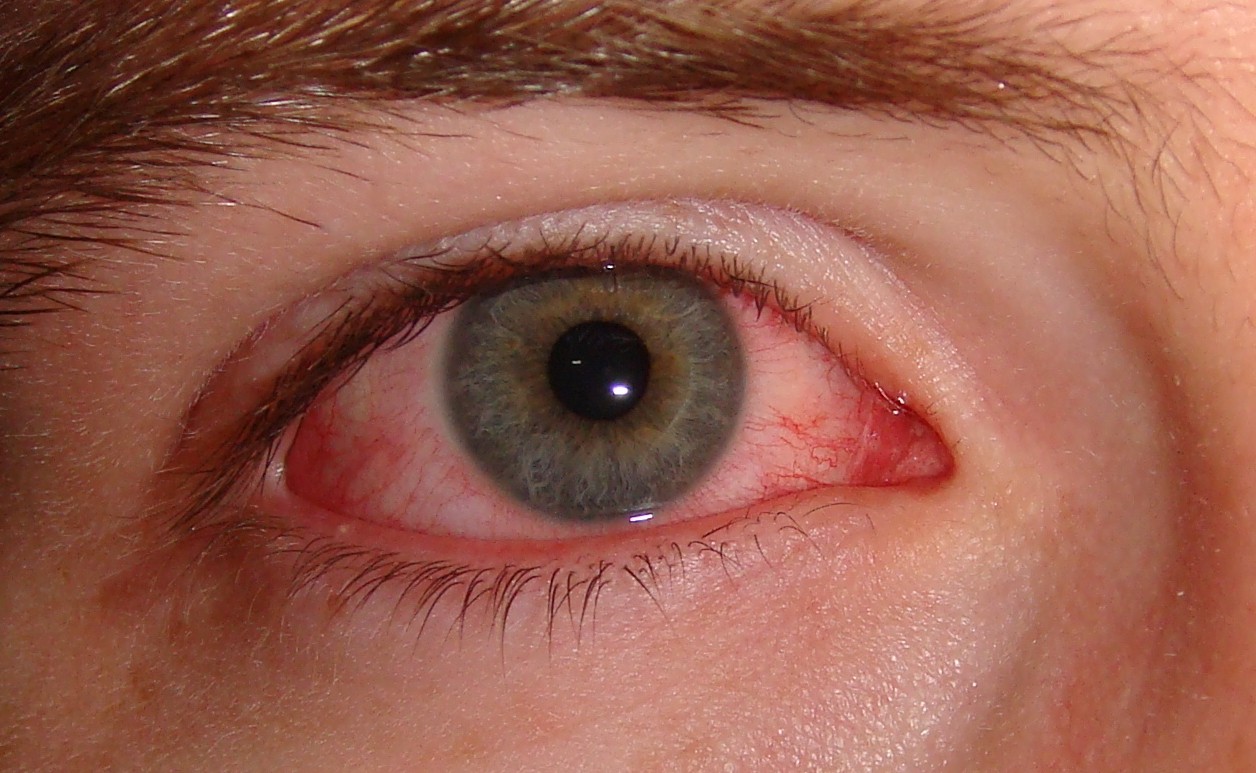
Redness in Eyes

Clouded, blurred or dim vision
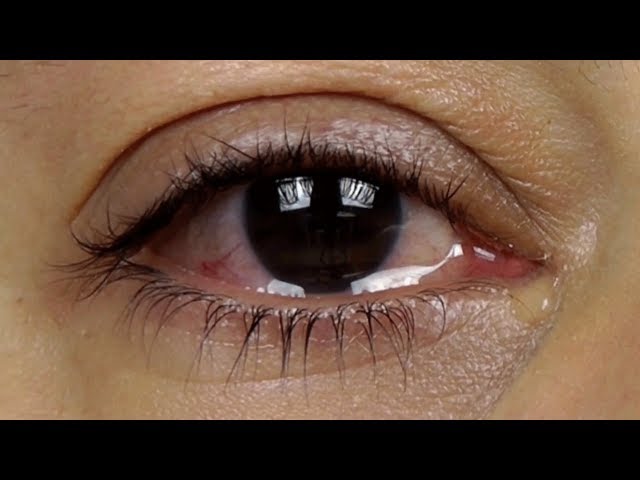
Watery Eyes
Causes Of Dry eye
Aging
Tear production naturally decreases with age, especially after 50, making older adults more prone to dry eyes.
Hormonal Changes
Fluctuations in hormones, particularly in women during menopause or pregnancy, can affect tear production.
Environmental Factors
Exposure to wind, smoke, dry air, air conditioning, or heating can speed up tear evaporation
Contact Lens Wear
Long-term or improper use of contact lenses can irritate the eye and reduce natural lubrication.
Types Of Dry Eye Diseases
Aqueous-Deficient Dry Eye
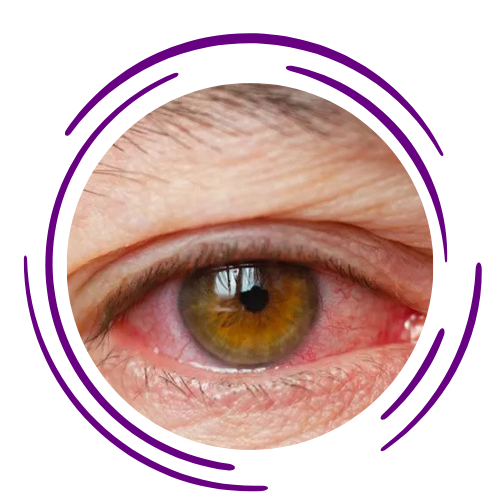
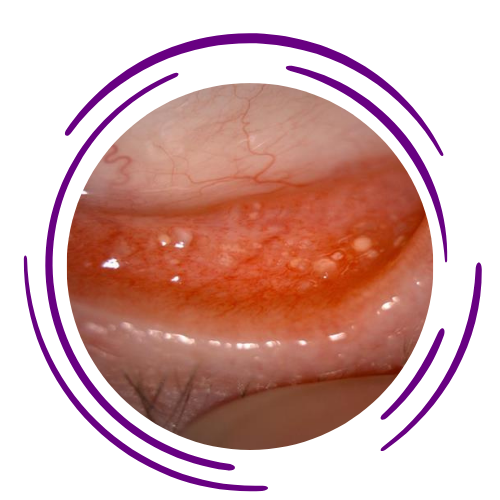
Evaporative Dry Eye
Mixed-Type Dry Eye
Treatments Of Dry Eye Diseases
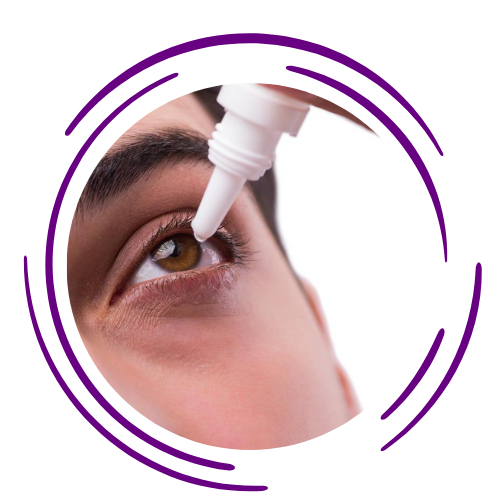
Artificial tears
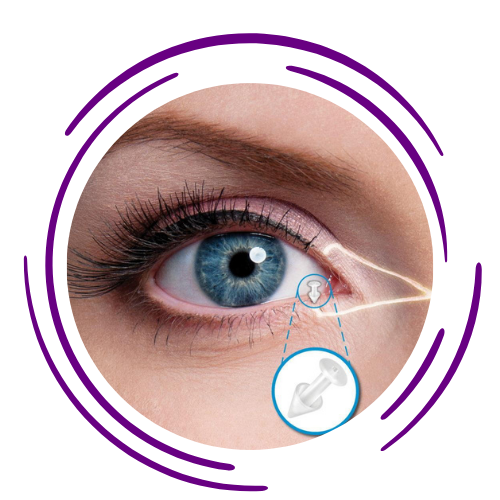
Punctal plugs
Did You Know?
Excessive screen use reduces blinking, which can worsen dry eye symptoms and cause eye strain.
Untreated dry eye can damage the eye surface and affect vision quality over time.
Dry eye can cause watery eyes due to reflex tearing, even though the eyes are actually dry.
Frequently Asked Questions
Can screen time cause dry eye?
Yes, prolonged screen use reduces blinking, which increases tear evaporation and worsens dry eye symptoms.
Can dry eye be cured permanently?
Dry eye is often a chronic condition, but symptoms can be effectively controlled with proper treatment and regular eye care.
Can lifestyle changes help manage dry eye?
Yes, staying hydrated, taking screen breaks, blinking frequently, using humidifiers, and protecting eyes from wind and dust can significantly reduce symptoms.
When should I see an eye doctor for dry eye?
You should see an eye doctor if symptoms are persistent, worsen over time, affect vision, or do not improve with basic eye drops.
How is dry eye treated?
Treatment may include artificial tears, prescription eye drops, warm compresses, eyelid hygiene, lifestyle changes, and in severe cases, punctal plugs.
Is dry eye a serious condition?
Dry eye is usually manageable, but if left untreated, it can lead to chronic irritation, inflammation, and damage to the cornea, affecting vision.
Is dry eye more common in winter or summer?
Dry eye can worsen in both seasons—winter due to cold air and indoor heating, and summer due to air conditioning, heat, and dust.
Can diet affect dry eye?
Yes, a diet low in omega-3 fatty acids may worsen dry eye. Foods like fish, nuts, and seeds may help improve tear quality.