
Healthy vision plays a vital role in a child’s overall growth, learning, and confidence. From recognizing faces to reading books and playing sports, clear eyesight supports every stage of development. Yet many parents are unsure about when their child should first visit an eye doctor and how often eye check-ups are really needed. This uncertainty can sometimes delay diagnosis of common childhood eye problems.
In this detailed guide, we’ll explain the ideal timeline for children’s eye exams, signs that indicate your child may need to see an eye specialist, and how regular eye care can protect your child’s vision for life. We’ll also highlight why choosing an experienced eye surgeon and a trusted facility like Gobind Eye Care, known as one of the best eye hospitals in Hisar, makes a difference.
Why Children’s Eye Health Is So Important
A child’s visual system develops rapidly during the early years of life. In fact, nearly 80% of learning in childhood is visual. Undetected vision problems can affect:
- Academic performance
- Hand–eye coordination
- Social interactions
- Overall confidence and behavior
Conditions such as lazy eye (amblyopia), squint (strabismus), refractive errors, or congenital eye disorders often show subtle symptoms. Without timely eye care, these issues can become permanent. This is why early eye examinations are not optional—they are essential.
When Should a Child First Visit an Eye Doctor?
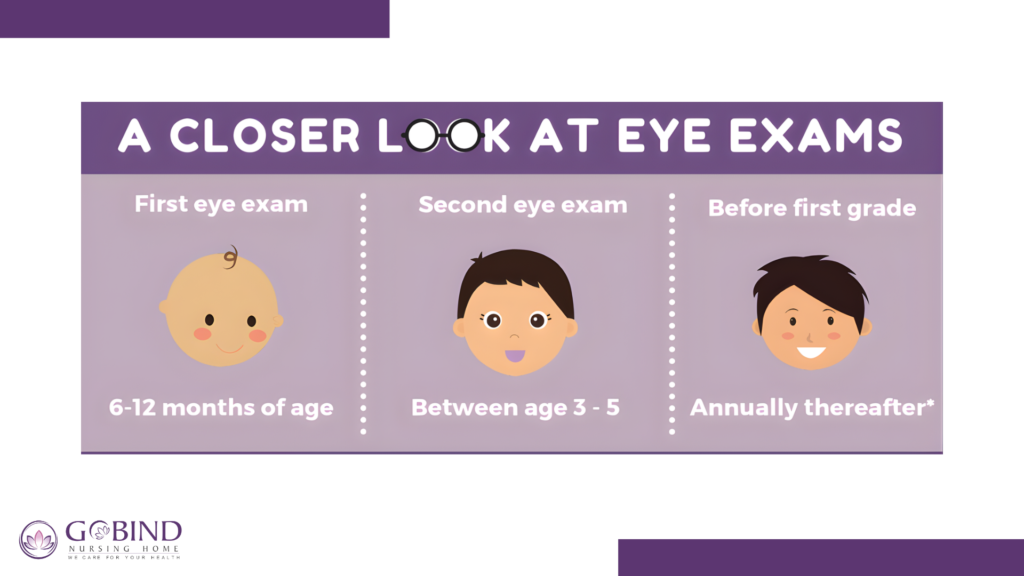
1. First Eye Check: At Birth
A child’s eye care journey begins right at birth. Newborns usually undergo a basic eye screening in the hospital to check:
- Eye structure
- Response to light
- Signs of congenital abnormalities
- If there is premature birth, low birth weight and oxygen therapy, dilated eye examination is compulsory with a retina specialist.
2. Infant Eye Exam: 6 Months
By six months of age, a baby should ideally have their first comprehensive eye exam. At this stage, an eye doctor checks:
- Eye alignment and movement
- Visual responsiveness
- Early refractive errors
Early detection helps prevent developmental delays and ensures proper visual growth.
Gobind Eye Care has special gadgets to detect refractive errors in infants too.
3. Toddler Eye Exam: 3 Years
Around the age of three, children become more cooperative, making vision testing easier. This visit focuses on:
- Visual acuity (how clearly your child sees)
- Eye coordination
- Detection of lazy eye or squint
Timely eye care at this age is crucial, as the brain-eye connection is still developing.
4. Before School: 5–6 Years
Before your child starts school, a complete eye exam is strongly recommended. Good vision is essential for reading, writing, and classroom learning. This visit helps identify:
- Near or distance vision problems
- Color vision issues
- Focusing difficulties
If needed, glasses can be prescribed early, ensuring your child starts school with confidence.
5. School Years: Every 1–2 Years
Once in school, children should have regular eye check-ups every one to two years, or as advised by an eye doctor. Increased screen time, online learning, and reading demands can strain young eyes.
Routine eye care during school years helps prevent headaches, eye strain, and declining academic performance.
Signs Your Child May Need an Eye Doctor Visit
Even between scheduled exams, parents should stay alert for warning signs. Consult an eye surgeon or eye specialist if your child:
- Squints frequently or closes one eye
- Sits very close to the TV or holds books too close
- Complains of headaches or eye pain
- Rubs eyes excessively
- Has watery, red, or irritated eyes
- Shows poor hand–eye coordination
- Struggles with reading or concentration
Early intervention at a trusted eye care center can prevent long-term vision problems.
Common Eye Problems in Children
Refractive Errors
Conditions like myopia (near-sightedness), hyperopia (far-sightedness), and astigmatism are common in children and easily managed with glasses.
Lazy Eye (Amblyopia)
Lazy eye occurs when one eye is weaker than the other. If treated early, normal vision can often be restored.
Squint (Strabismus)
Misalignment of the eyes can affect depth perception and appearance. Treatment may involve glasses, exercises, or surgery by an experienced eye surgeon.
Digital Eye Strain
Excessive screen use can cause dryness, blurred vision, and headaches. Proper eye care habits and regular check-ups help manage this growing concern.
Role of Parents in Children’s Eye Care
Parents play a key role in maintaining their child’s eye health. Simple steps include:
- Encouraging outdoor play
- Limiting screen time
- Ensuring proper lighting while reading
- Providing a balanced diet rich in vitamin A
- Scheduling regular eye exams
Choosing the right eye care provider is equally important.
Why Choose Gobind Eye Care for Your Child?
When it comes to your child’s vision, expertise and trust matter. Gobind Eye Care is widely recognized as one of the best eye hospitals in Hisar, offering comprehensive pediatric eye care services.
What Sets Gobind Eye Care Apart?
- Experienced eye surgeons and specialists
- Advanced diagnostic technology which can detect refractive errors even at 6 months of age.
- Child-friendly examination environment
- Personalized eye care plans
- Focus on early detection and prevention
From routine eye exams to specialized treatments, Gobind Eye Care ensures that your child receives the highest standard of eye care under expert supervision.
Final Thoughts
So, when should a child first visit an eye doctor? The answer is: early and regularly. From infancy through school years, scheduled eye exams are essential to ensure healthy vision development.
If you are looking for expert guidance, compassionate care, and advanced treatment options, Gobind Eye Care, one of the best eye hospitals in Hisar, is a trusted destination for complete children’s eye care. With skilled eye surgeons and a commitment to excellence, your child’s vision is in safe hands.
Protect your child’s future—because healthy eyes today mean a brighter tomorrow.
Also Read