Retina and Vitreous Surgery
Retina & Vitreous
Retina & Vitreous
The Vitreoretinal Service at Gobind Eye Care Centre offers expertise in the diagnostic, medical and surgical retina. Diagnostics forming the backbone of every successful treatment, we provide a very advanced small pupil fundus camera for Fundus Photo and Fundus Fluorescein Angiography and a precise Optical Coherence Tomography system. Treatment of all retinopathies affecting the eye due to diabetes, hypertension, vascular malformations, and age-related macular degeneration is possible with laser and anti-VEGF injections or surgery depending on the requirement.
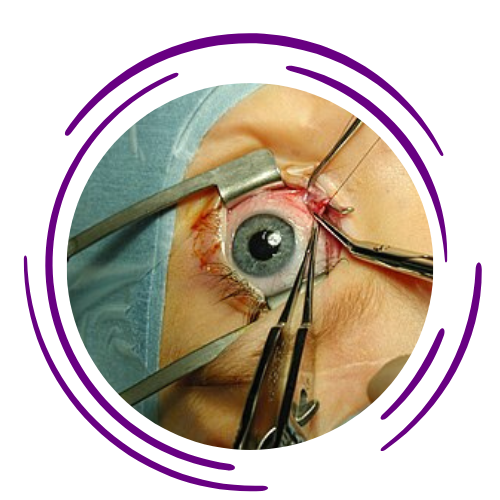
The retina laser service houses an advanced ND: YAG-Laser System for Retinal Photocoagulation treatment of Diabetic Retinopathy and Laser Barrage for Myopic Degeneration. For Surgical treatment the department is equipped with the advanced Micro Incision Vitreous surgery system and its team of expert surgeons caters to advanced retina surgery requirements including Retina Detachments, Ocular Trauma, Diabetic Micro Incision Vitreous surgery, Macular Hole surgery etc.
Additionally, a team of caring doctors is available at a retina helpline number to all patients for immediate attention.
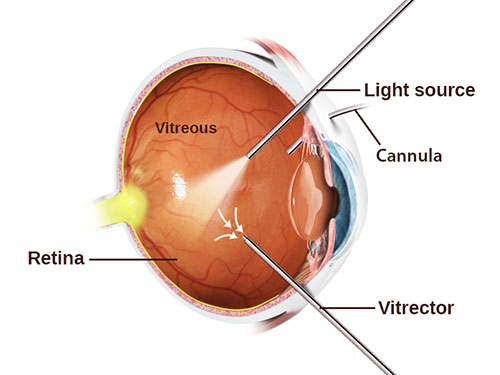
What Happens In Retina And Vitreous Disease
Symptoms

Clouded, blurred or dim vision
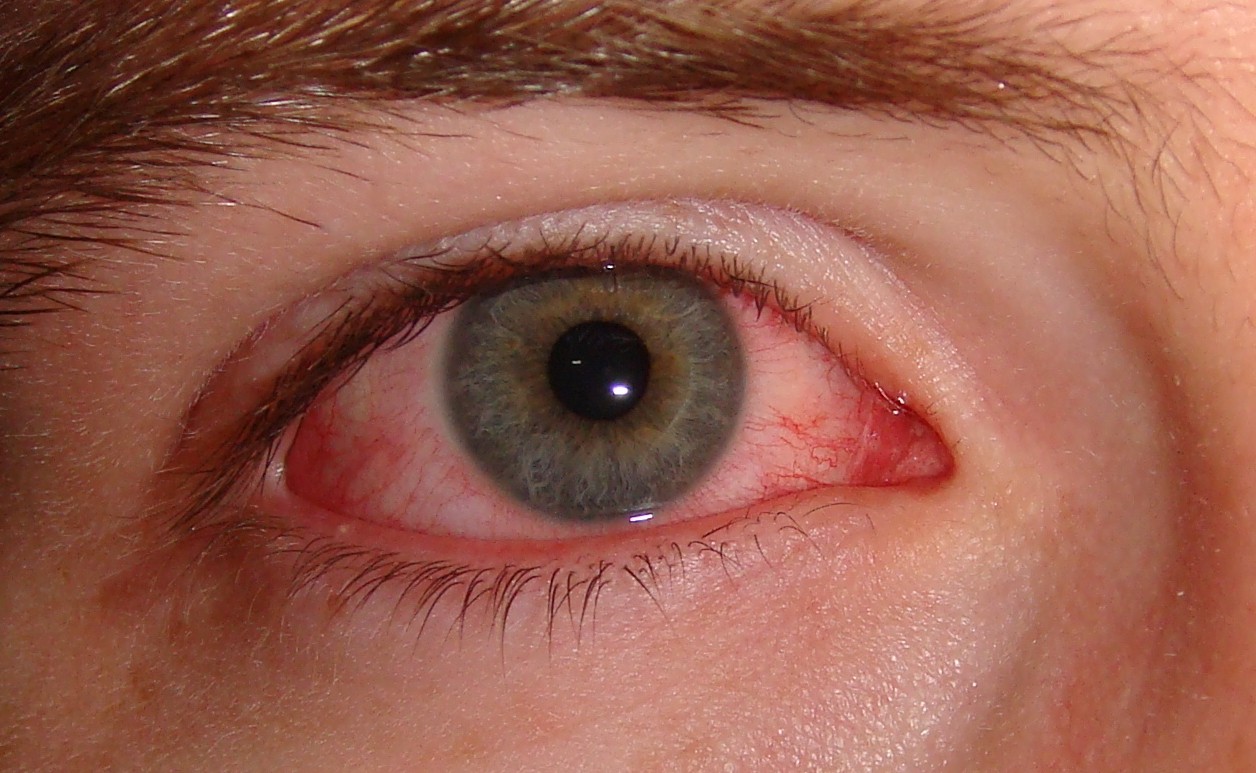
Redness in Eyes

Difficulty with vision at night
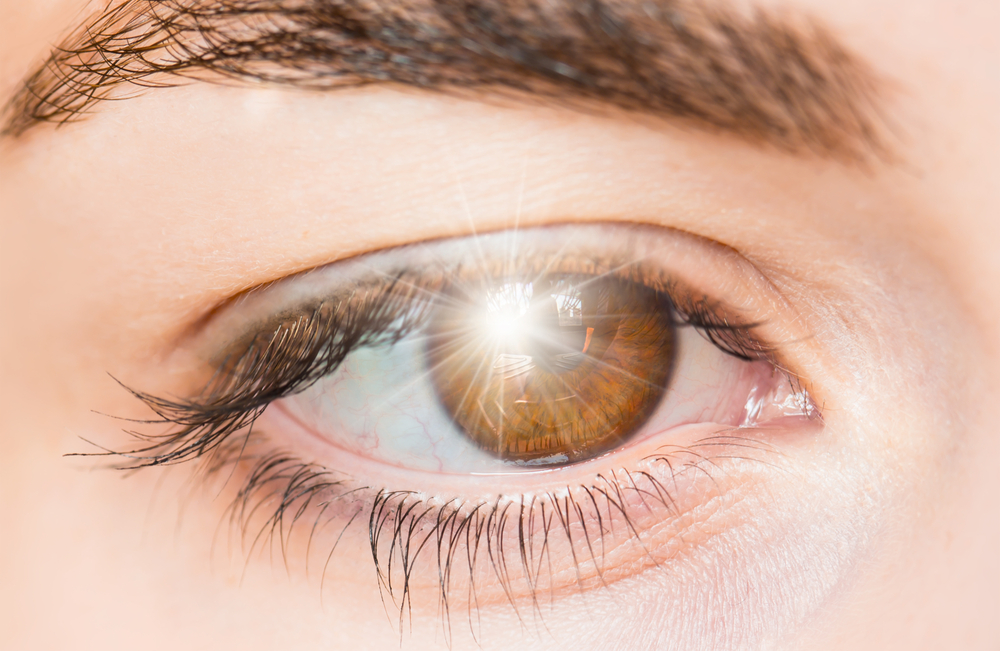
Flashes of Light
Flashes of Light
Causes of Retina and Vitreous Diseases
Diabetes
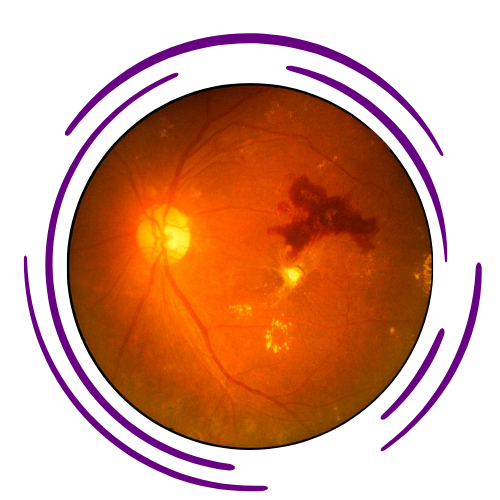
High blood sugar damages blood vessels in the retina, leading to swelling, bleeding, or abnormal vessel growth.
Age-related Changes
Natural aging can cause thinning of the retina or shrinkage of the vitreous gel, leading to floaters, flashes, or vision loss.
Retinal Tears or Detachment
The retina may tear or detach due to trauma, strong vitreous pulling, or advanced myopia (high nearsightedness).
Vascular Disorders
Blockage of retinal blood vessels can lead to sudden vision loss due to reduced blood supply.
Types Of Retinal Diseases
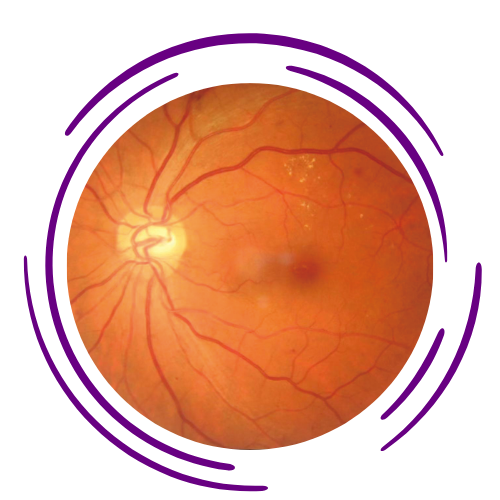
Diabetic Retinopathy
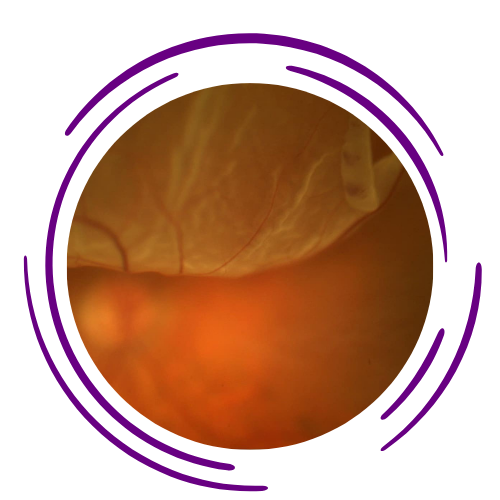
Retinal Detachment
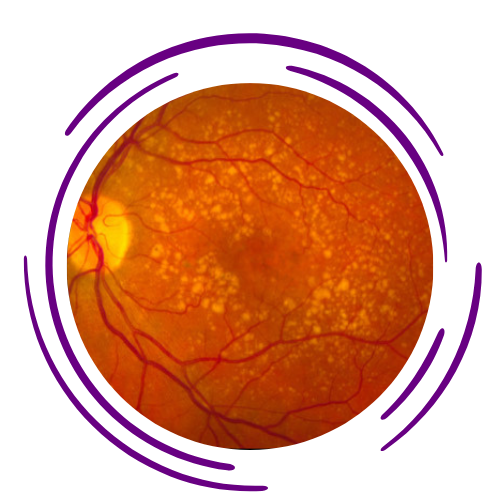
Age- Related Macular Degeneration
Types Of Vitreous Diseases
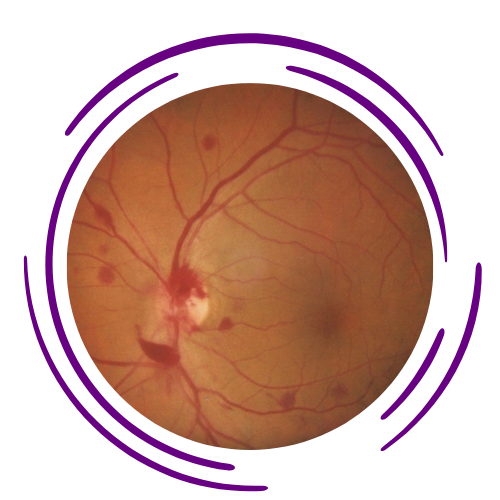
Posterior Vitreous Detachment
Vitreous Hemorrhage
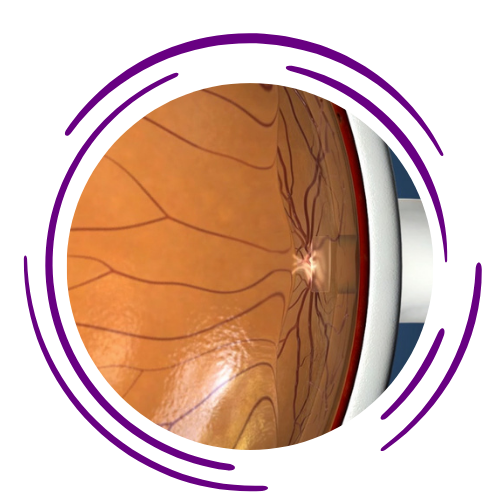
Vitreomacular Traction
Treatments Of Vitreoretinal Disease
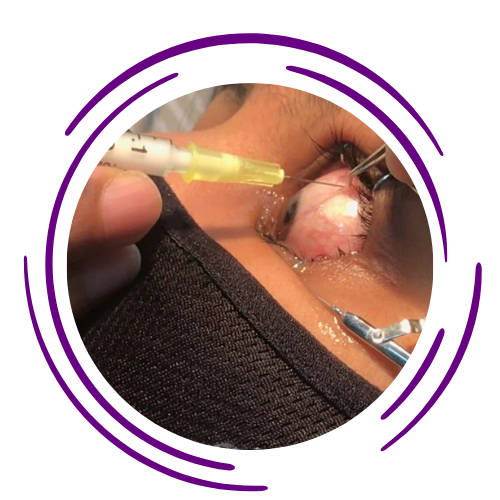
Intravitreal Injections
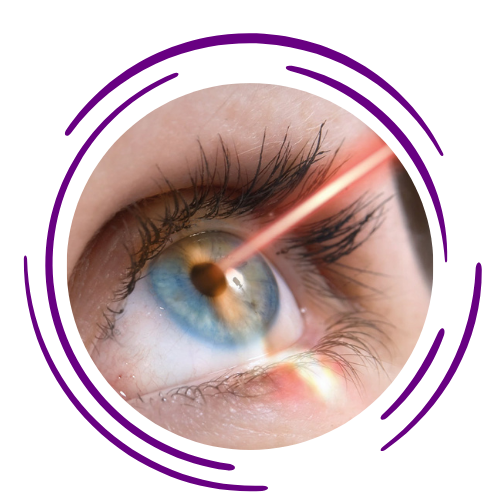
Laser Therapy
Surgical Treatments
Did You Know?
Many vitreoretinal diseases like posterior vitreous detachment or retinal tears can start without pain.
Floaters and flashes of light are often the first warning signs of vitreoretinal problems.
Early diagnosis and treatment can prevent permanent vision loss in vitreoretinal diseases.
Frequently Asked Questions
What are the common symptoms?
Common symptoms include floaters, flashes of light, blurred or distorted vision, dark spots, and sudden loss of vision. Some diseases may have no early symptoms.
How can I prevent vitreoretinal diseases?
Control underlying conditions like diabetes and high blood pressure, avoid smoking, maintain a healthy diet, and have regular eye check-ups.
When should I see an eye specialist immediately?
Seek urgent care if you experience sudden flashes of light, a sudden increase in floaters, dark shadows or curtain-like vision, or sudden vision loss.
Can lifestyle changes help in management?
Yes. Maintaining healthy blood sugar, blood pressure, and cholesterol levels, along with proper nutrition and regular exercise, can slow disease progression and improve outcomes.
Can vitreoretinal diseases affect only one eye?
Yes. Many conditions, like retinal tears or vitreous hemorrhage, can occur in just one eye, but systemic conditions like diabetic retinopathy often affect both eyes.
Is vision loss from vitreoretinal disease permanent?
It can be if untreated. However, early diagnosis and timely treatment—like laser therapy, injections, or surgery—can prevent permanent loss and preserve useful vision.
Doctors @ Gobind Eye Care
A Unit Of Gobind Nursing Home
Dr. SS Khurana
MBBS, MS ophthalmology, Senior Consultant
Dr. Gulshan Mehta
MBBS, DOMS, Cataract, Squint and Refractive Surgeon

Dr.Maneesh Dhupper
MBBS, MS Ophthalmology, Vitreo Retina Surgeon

Dr. Ripan Kaur Kamra
MBBS, MS (Gold Medalist), Glaucoma Specialist, Cataract & refractive Surgeon