
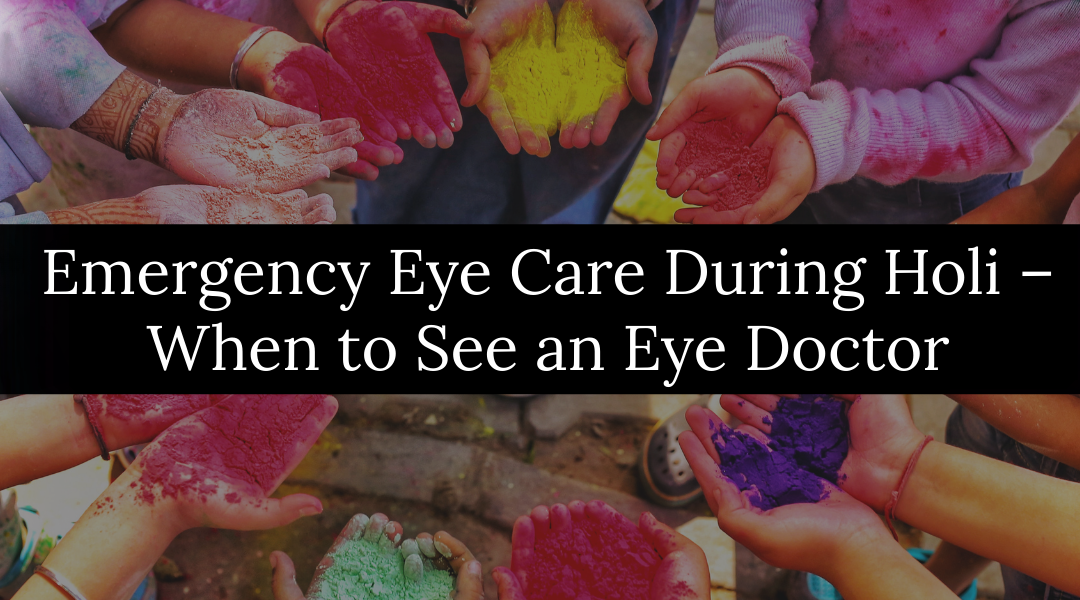
Emergency eye problems are common during Holi, and timely action can save vision as well as prevent long‑term damage. This guide explains how to protect your eyes, what counts as an emergency, and when you must see an eye specialist or eye surgeon immediately.
Why Holi Is Risky For Your Eyes
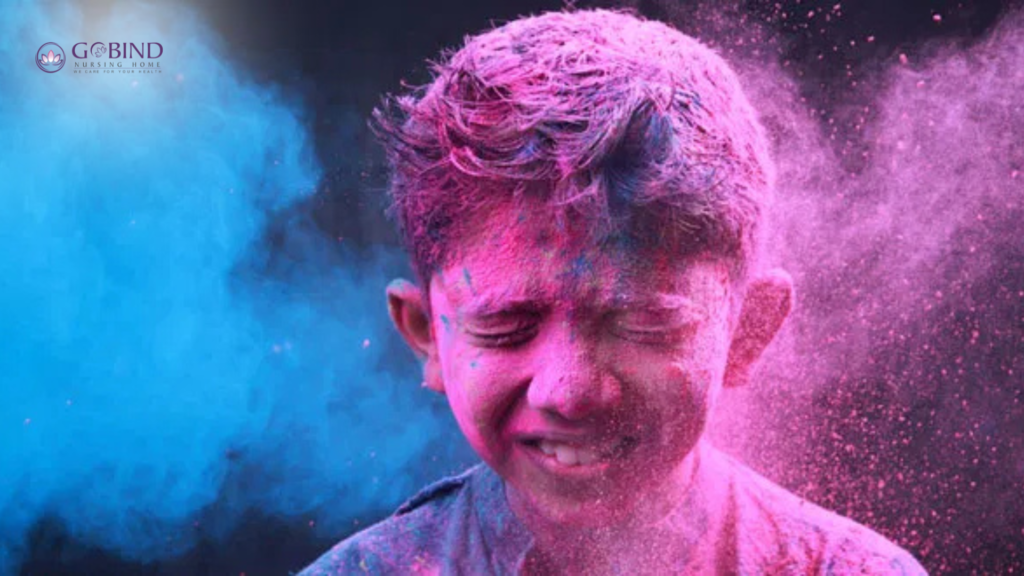
Holi colours often contain chemicals, small particles, and strong dyes that can irritate or injure the eye surface. Synthetic colours, mixed with water, can easily enter the eyes while throwing balloons, using pichkaris, or rubbing the face aggressively. Prolonged contact of these colours with the eye can lead to corneal abrasions, infections, or allergic reactions, making prompt eye care essential.
Common Holi‑Related Eye Problems
During and after Holi, people frequently visit an eye care clinic or Gobind eye care–type centre with:
- Red, burning eyes after colour exposure.
- Foreign body sensation, as if sand or grit is stuck in the eye.
- Swelling of eyelids due to allergic reaction to colours.
- Mild to severe pain while blinking or looking at light.
- Sudden blurring of vision after a colour splash or injury.
These problems may start as minor irritation but can quickly worsen if you keep rubbing the eyes or delay consulting an eye specialist.
Emergency Signs – When To See An Eye Doctor Immediately
You should not wait or try home remedies if any of the following occurs after playing Holi. Visit an eye specialist or emergency eye care hospital urgently if you notice:
- Sudden loss of vision or significant drop in clarity in one or both eyes.
- Severe, throbbing eye pain that does not settle within a short time.
- Deep redness of the white part of the eye with watering and light sensitivity.
- Visible injury: cut, tear, or bleeding around the eye or eyelids.
- Chemical splash from liquid colours, industrial dyes, or strong gulal.
- Something stuck in the eye that does not wash out with clean water.
- Double vision, flashes of light, or a dark curtain coming across your sight.
In such situations, an eye surgeon may be required to handle corneal injuries, internal eye trauma, or complications that simple drops cannot treat.
First Aid For Eye Injuries During Holi
Immediate, correct first aid can reduce damage before you reach an eye care centre.
- Do not rub your eyes, even if irritation is intense; rubbing can deepen scratches on the cornea.
- Rinse the eye with clean, running water or sterile saline for several minutes if colour or chemicals enter.
- Ask someone to gently hold your eyelids open so water can flush out the colour properly.
- Remove contact lenses as soon as possible if they are in; trapped colour under the lens can cause severe damage.
- Do not use rose water, homemade eye drops, or over‑the‑counter steroid drops without advice from an eye specialist.
- If you suspect a serious injury or chemical burn, cover the eye lightly with a clean cloth and go straight to an eye hospital.
After basic first aid, the safest step is to reach a qualified eye doctor or reputed Gobind eye care–level facility for complete examination.
Role Of Eye Specialists And Eye Surgeons In Holi Emergencies
During Holi, a trained eye specialist is your first contact for:
- Complete slit‑lamp examination to check the cornea and conjunctiva.
- Removal of foreign particles from the eye surface.
- Prescription of lubricating, antibiotic, or anti‑allergic eye drops.
- Monitoring for infection or delayed complications.
If the injury is deep or vision‑threatening, an eye surgeon steps in to manage:
- Corneal tears or severe corneal abrasions.
- Globe injuries due to high‑impact water balloons or sticks.
- Internal bleeding or lens damage.
- Chemical burns causing corneal opacities or scarring.
Choosing a dedicated eye care hospital rather than a general clinic ensures availability of specialised equipment and trained eye surgeons, especially in festival‑related emergencies.
Preventive Eye Care Tips For A Safe Holi
A little preparation can drastically reduce the risk of Holi‑related eye injuries:
- Use only herbal or skin‑friendly colours from reputed brands; avoid industrial dyes and metallic powders.
- Wear protective glasses or sunglasses while playing, especially if you have sensitive eyes or use contact lenses.
- Apply a thin layer of coconut or almond oil around the eyes so colours do not stick strongly to the skin.
- Prefer dry colours and avoid throwing colours directly at the face.
- Teach children not to aim pichkaris or water balloons at anyone’s eyes or face.
- If you wear contact lenses, consider using regular spectacles during Holi to lower the risk of infection.
Good preventive eye care combined with awareness of emergency signs keeps the festival enjoyable and safe for the whole family.
Holi Eye Care: When Home Care Is Enough
Not every minor discomfort after Holi needs urgent surgery, but it still deserves correct care from an eye specialist:
- Mild redness and slight irritation without vision loss may be managed with lubricating drops after an eye check‑up.
- Minor swelling due to allergy can improve with prescribed anti‑allergic drops and cold compresses.
- Tired, dry eyes from long hours outdoors usually recover with rest, hydration, and proper eye care guidance.
However, if symptoms persist beyond 24–48 hours, worsen, or affect your ability to see clearly, you should revisit your eye doctor or an advanced facility like Gobind eye care for re‑evaluation.
Also Read