Orbit & Oculoplasty
The sub-specialty that deals with diseases of the eyelids and bones surrounding the eye. It includes treatment of tumors and eye cancer of the eyelid and other structures around the eye. Correction of eyelids that are drooping (ptosis), as well as injections of Botox for cosmetic corrections, are given by oculoplasty surgeons.
NEVER LET ORBIT & EYELID PROBLEMS BLUR YOUR CONFIDENCE
What Happens In Orbit & Oculoplasty
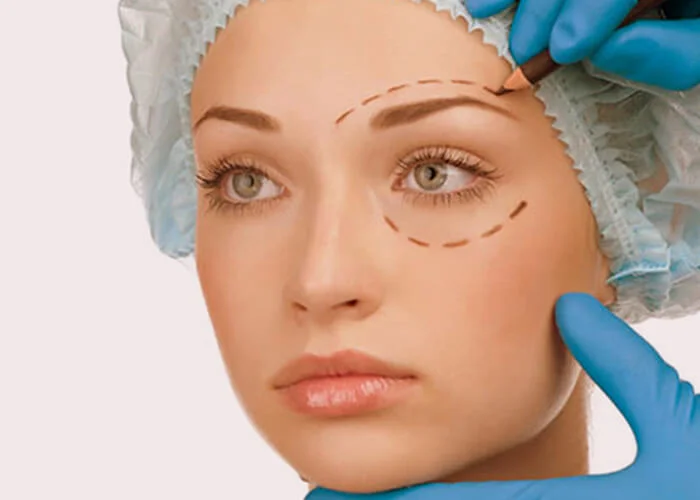
Symptoms
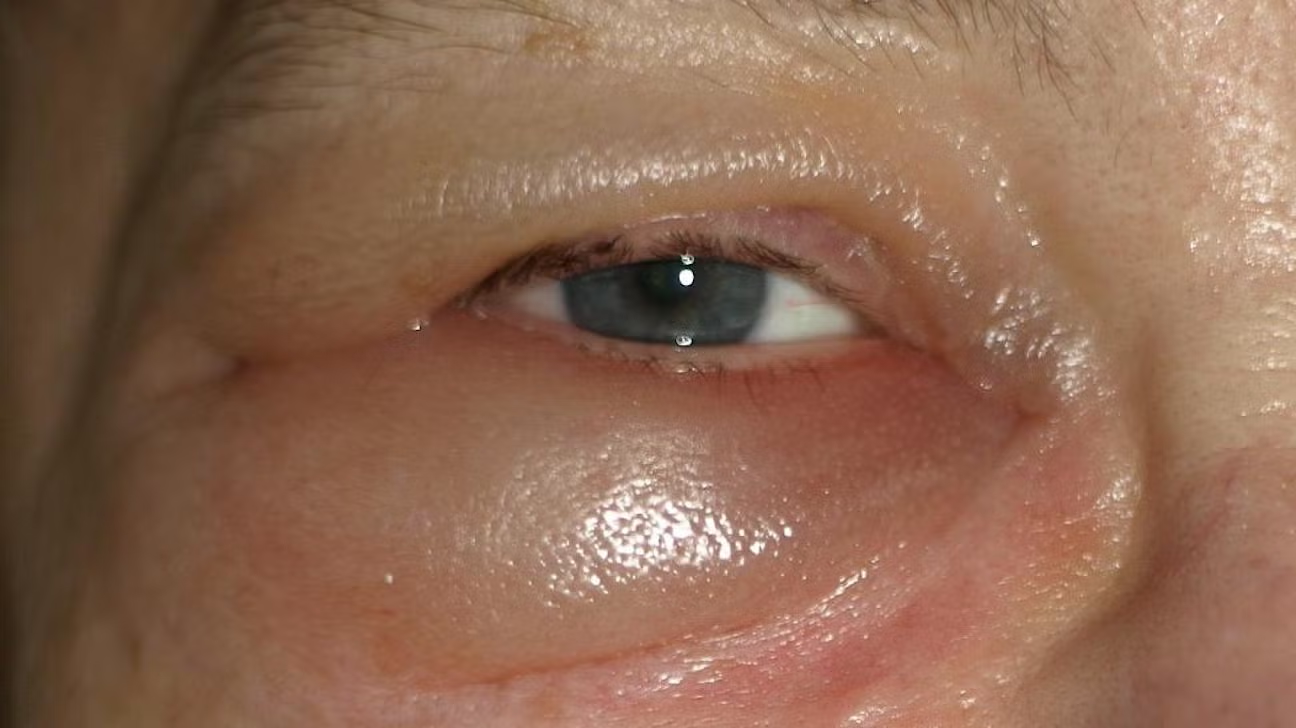
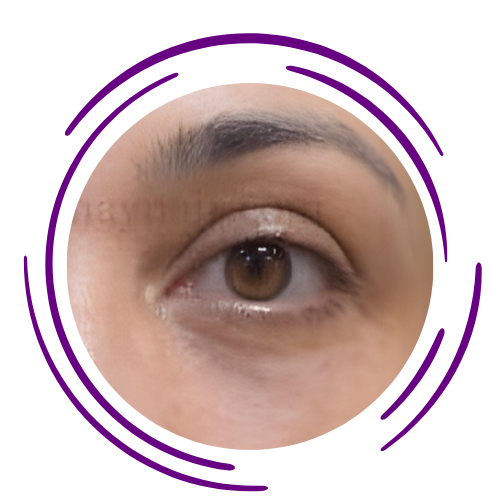
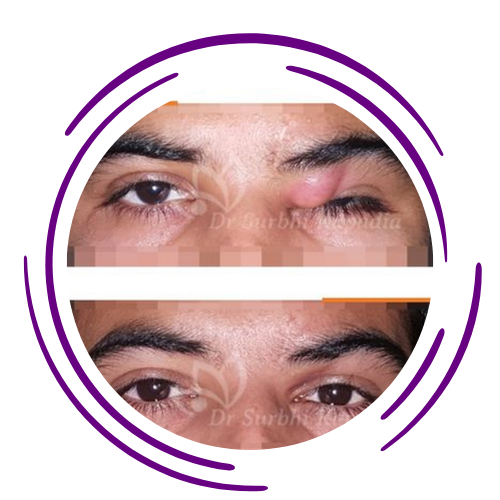
Swelling around the eyes
Swelling around the eyes
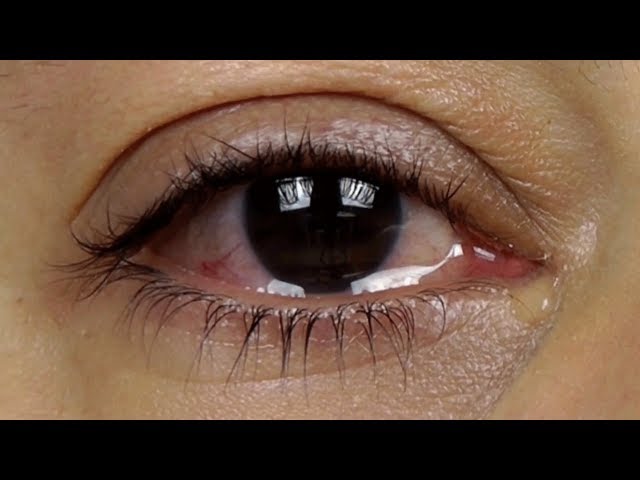
Watery Eyes
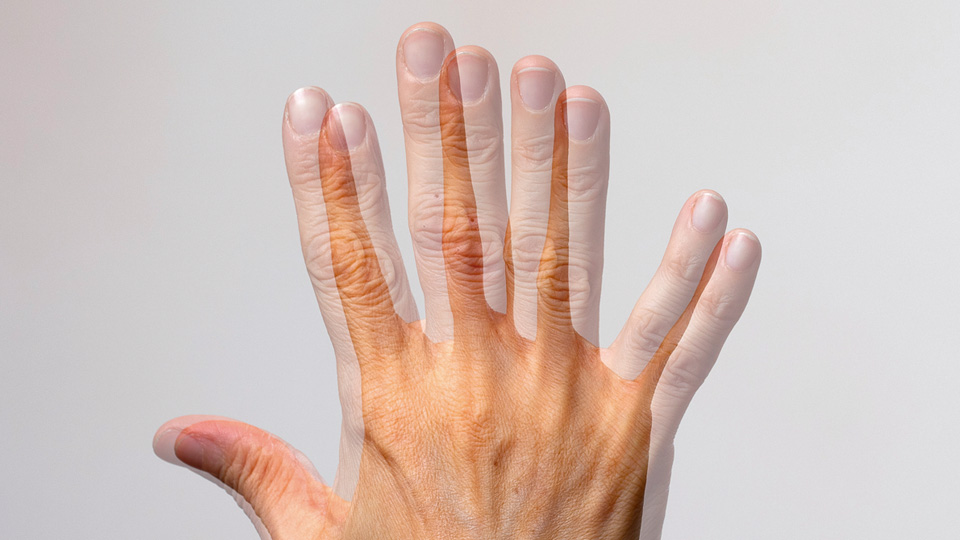
Double Vision

Eye strain
Causes Of Orbit & Oculoplasty
Aging
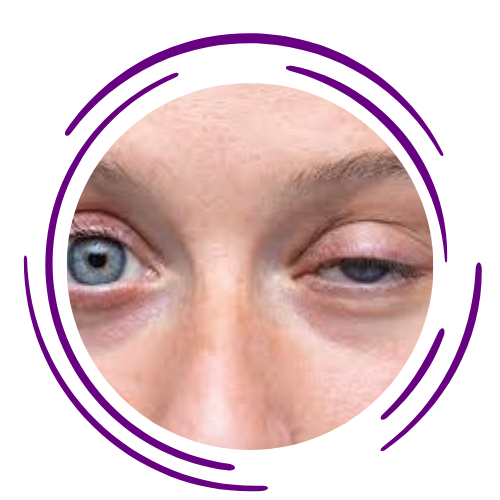
With age, eyelid muscles weaken and skin loses elasticity, leading to drooping eyelids and excess skin.
Trauma or Injury
Accidents or facial injuries can damage the orbital bones, muscles, or surrounding tissues.
Infections
Orbital or eyelid infections can cause redness, swelling, pain, and restricted eye movement.
Tumors
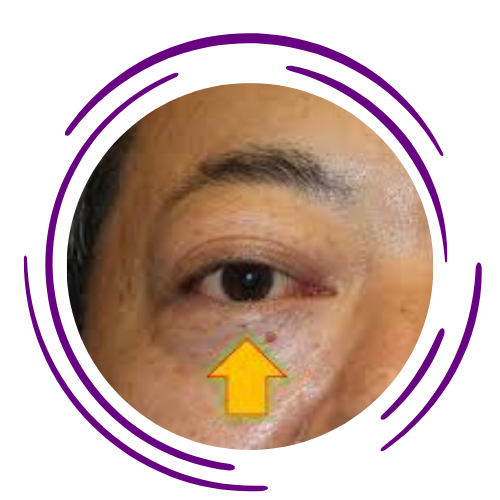
Benign or malignant growths may develop in the eyelids or orbit, affecting both function and appearance.
Types Of Orbit & Oculoplasty
Ptosis
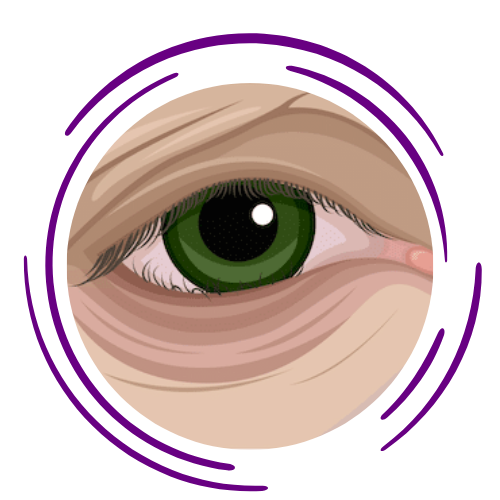
Entropion & Ectropion
Orbital Tumors
Treatments Of Orbit & Oculoplasty
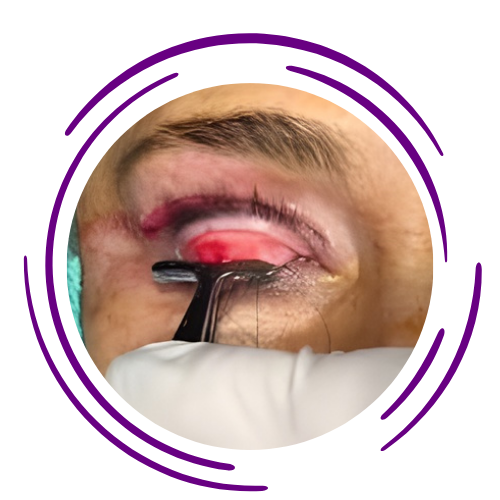
Ptosis Surgery
Blepharoplasty
Orbital Tumor Surgery
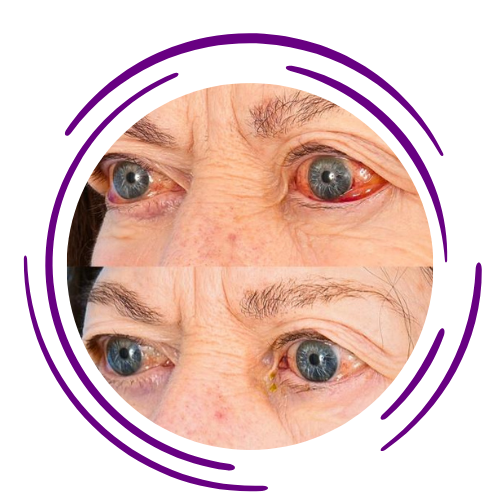
Thyroid Eye Disease Management
Did You Know ?
The orbit not only holds the eye but also contains muscles that allow eye movement in all directions.
Eyelids play a crucial role in spreading tears evenly across the eye surface to prevent dryness and infection.
Proper eyelid positioning is essential for protecting the cornea and maintaining clear vision.
Frequently Asked Questions
Can eyelid problems affect vision permanently?
Yes, severe ptosis or orbital disorders can obstruct vision if left untreated.
Are oculoplasty surgeries safe?
Yes, when performed by experienced specialists, these procedures are safe and highly effective.
Will eyelid surgery leave visible scars?
Most incisions are placed in natural skin folds, making scars minimal and barely noticeable.
How long is the recovery after orbital surgery?
Recovery time varies depending on the procedure but generally ranges from a few days to a few weeks.
Who should consult an oculoplasty specialist?
Anyone experiencing drooping eyelids, persistent swelling, bulging eyes, excessive tearing, or eyelid growth should seek evaluation.
Who is at higher risk of developing TED?
People with Graves’ disease are at higher risk. Smoking significantly increases both the risk and severity of Thyroid Eye Disease. It is more common in women but can be more severe in men.
Doctors @ Gobind Eye Care
A Unit Of Gobind Nursing Home
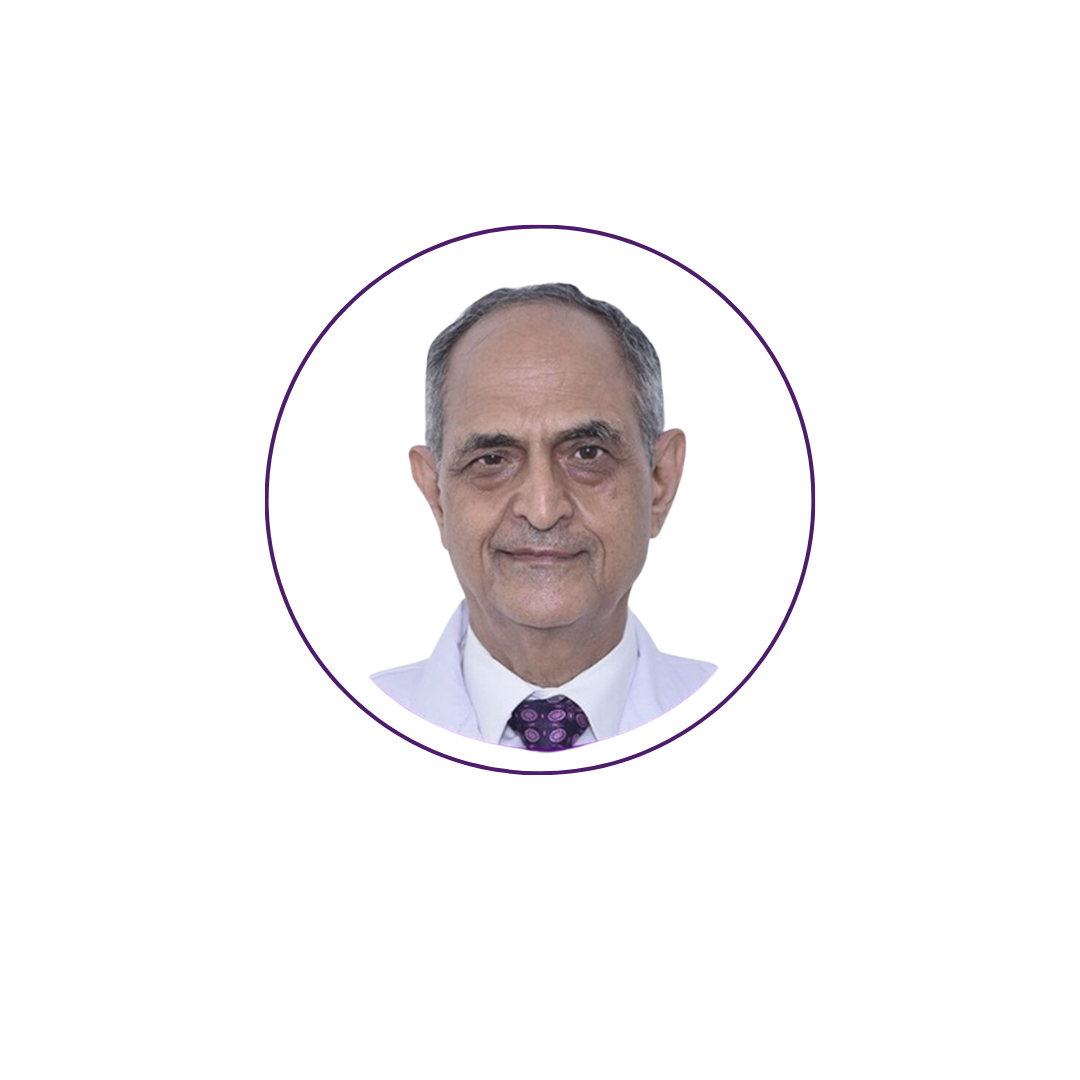
Dr. SS Khurana
MBBS, MS ophthalmology, Senior Consultant
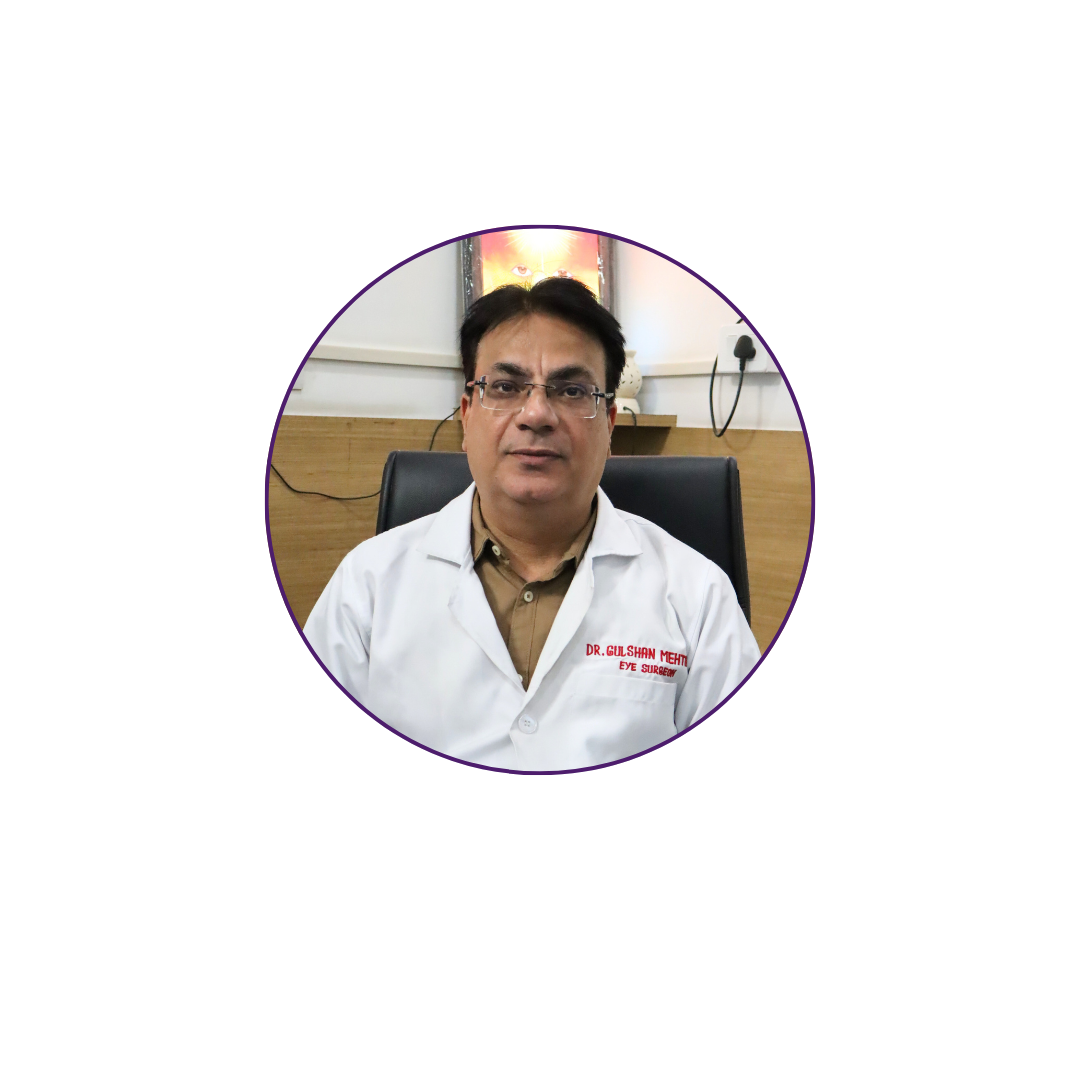
Dr. Gulshan Mehta
MBBS, DOMS, Cataract, Squint and Refractive Surgeon

Dr.Maneesh Dhupper
MBBS, MS Ophthalmology, Vitreo Retina Surgeon
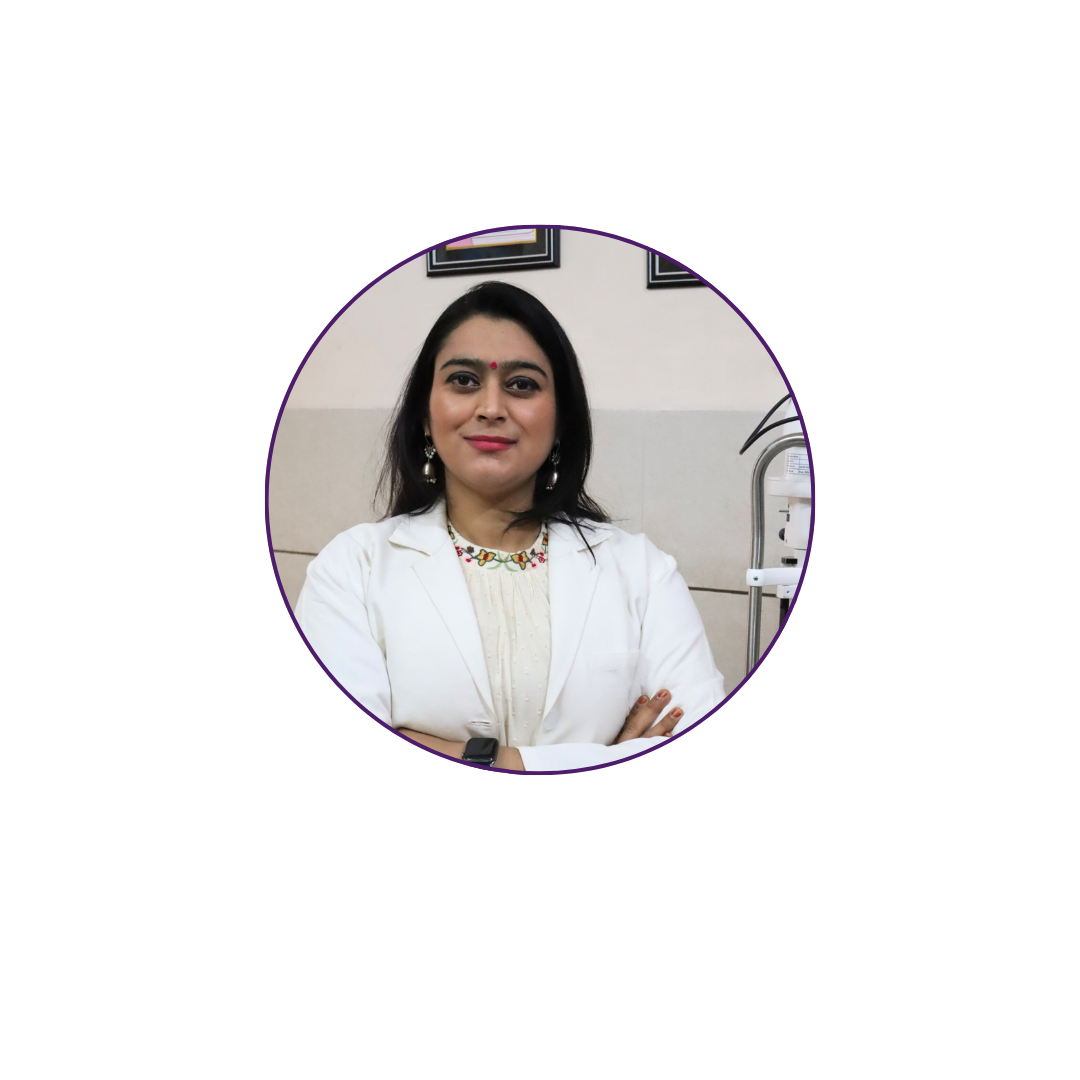
Dr. Ripanjeet Kaur
MBBS, MS (Gold Medalist), Glaucoma Specialist, Cataract & Refractive Surgeon