

Introduction
When it comes to vision, most people think about the retina or the lens. But the real gateway to clear sight lies right in front of the eye — the cornea. Known as the window to vision, the cornea is a transparent, dome-shaped layer that not only focuses light but also protects the inner structures of the eye from injury and infection.
According to Dr. Bindiya Dhupper, an experienced Cornea and Cataract Surgeon, maintaining corneal health is essential for sharp, comfortable, and long-lasting vision. Understanding the cornea’s structure, function, and common disorders can help prevent many avoidable vision problems.
What is Cornea?
The cornea is the clear outer layer of the eye that allows light to enter and plays a vital role in focusing it onto the retina. Because it has no blood vessels, the cornea stays crystal clear, receiving nourishment instead from tears and the aqueous fluid inside the eye.
It acts as the first and strongest refractive surface of the eye — meaning that it bends light rays more than any other part of the visual system. About two-thirds of the eye’s focusing power comes from the cornea alone.
If the cornea becomes swollen, scarred, or irregular in shape, vision becomes blurred, cloudy, or distorted — as seen in conditions like keratoconus or corneal dystrophy.
Anatomy of the Cornea
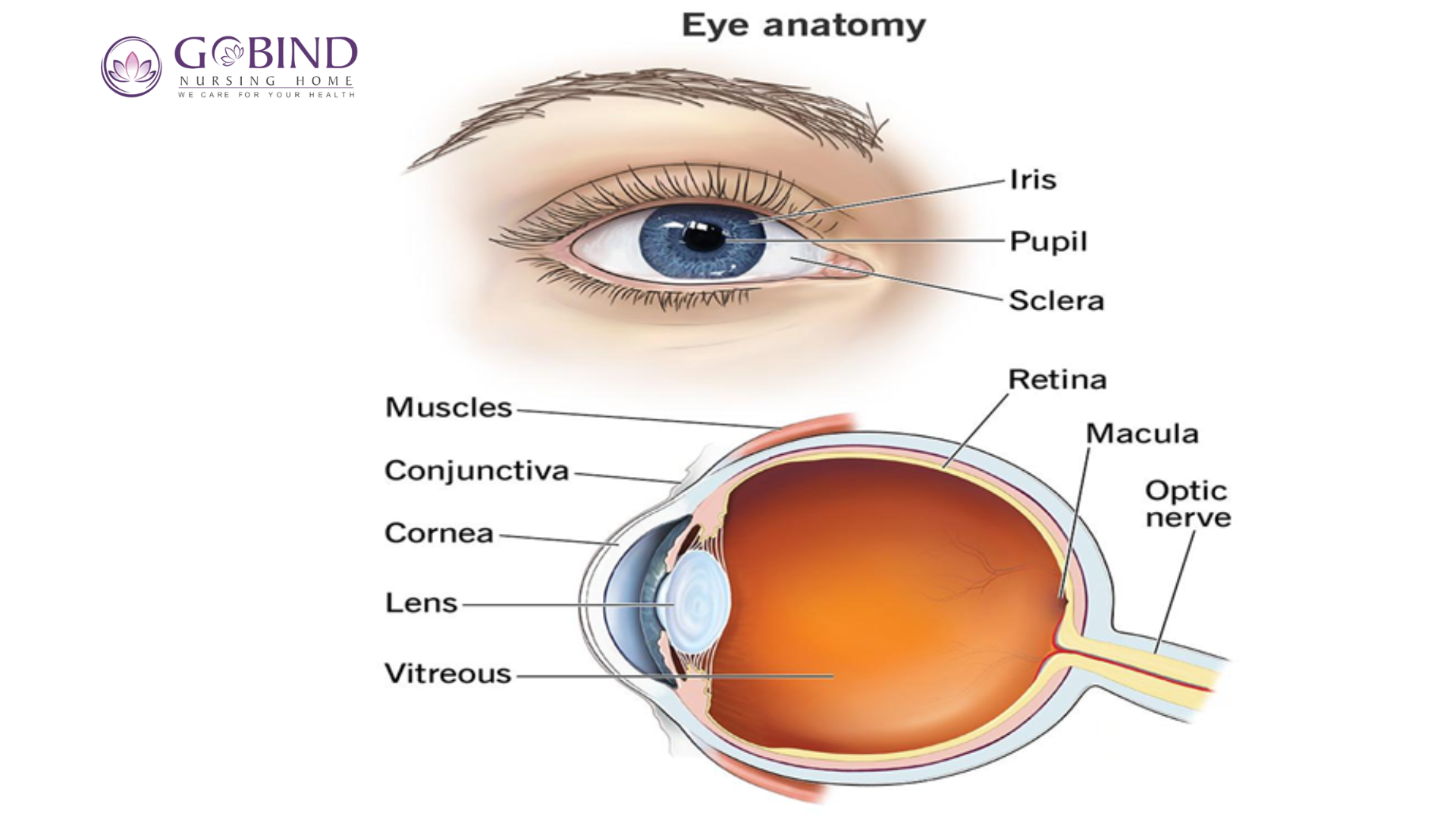
The cornea is composed of five primary layers, each serving a specific purpose:
- Epithelium – The outermost layer that acts as a protective barrier against dust, bacteria, and injury. It also absorbs oxygen and nutrients from tears.
- Bowman’s Layer – A tough, transparent sheet that provides structure and strength. Damage to this layer can cause scarring and affect corneal clarity.
- Stroma – This is the thickest layer of the cornea (about 90% of its total thickness) and is made up of collagen fibers that maintain transparency and curvature.
- Descemet’s Membrane – A thin but strong layer that supports the inner endothelium.
- Endothelium – The innermost layer responsible for pumping out excess fluid to keep the cornea clear. When these cells are damaged, corneal edema or swelling can occur, affecting vision.
Understanding these layers is crucial for diagnosing and treating corneal diseases effectively.
Functions of the Cornea
Dr. Bindiya Dhupper explains that the cornea performs two major functions — protection and refraction.
- Protective Shield: The cornea blocks dust, germs, and UV rays, acting as the first line of defense against infection and injury.
- Light Refraction: It bends (refracts) incoming light so it focuses precisely on the retina, creating a sharp visual image.
Even a minor irregularity in the corneal surface can result in blurred or distorted vision, which is why regular eye checkups are essential to detect early changes.
Common Corneal Disorders
Several conditions can affect corneal transparency and vision. Some of the most common include:
1. Keratoconus
A progressive condition where the cornea thins and bulges outward into a cone shape, leading to distorted vision.
Symptoms:
Blurred vision, glare, sensitivity to light, and frequent prescription changes.
Treatment:
Corneal collagen cross-linking, contact lenses, or advanced corneal transplant procedures in severe cases.
2. Corneal Infections (Keratitis)
Caused by bacteria, viruses, fungi, or parasites — often linked to poor contact lens hygiene or trauma.
Symptoms:
Redness, pain, tearing, and decreased vision.
Treatment:
Prompt use of medicated eye drops or, in advanced cases, surgical management.
3. Dry Eye Syndrome
A very common issue where the eye doesn’t produce enough tears or the tears evaporate too quickly. It can cause discomfort, irritation, and blurred vision.
Management:
Artificial tears, eye lubricants, or medical treatment depending on severity.
4. Corneal Dystrophies
A group of hereditary disorders leading to clouding or irregularities in the corneal layers. Some forms progress slowly and may require surgical treatment later in life.
5. Corneal Injury or Abrasion
Even a small scratch on the cornea can cause severe discomfort. If left untreated, it can lead to infection or scarring.
Corneal Treatments and Surgeries
With medical advancements, corneal surgeries have become highly successful and safe. Dr. Bindiya Dhupper, a Cornea Specialist, performs a range of procedures depending on the condition’s severity:
- Corneal Cross-Linking (CXL): Used for keratoconus, this minimally invasive procedure strengthens the cornea using UV light and riboflavin drops.
- Corneal Transplant (Keratoplasty): Replaces the damaged corneal tissue with a healthy donor cornea. There are modern variations like DMEK and DSEK, which replace only the affected layers instead of the whole cornea.
- Refractive Surgeries (LASIK / PRK / SMILE): Corrects refractive errors like myopia, hyperopia, and astigmatism by reshaping the corneal curvature.
- Superficial Keratectomy: Removes scars or irregular tissue from the corneal surface to restore clarity.
These techniques have significantly improved visual outcomes and reduced recovery time compared to traditional transplants.
Importance of Early Diagnosis
Early diagnosis of corneal disorders is key to preventing permanent vision loss. Many conditions, such as keratoconus or corneal edema, can be managed effectively if detected early through corneal topography or slit-lamp examination.
Regular eye examinations are especially important for individuals who:
- Wear contact lenses regularly
- Have a history of eye surgery
- Experience chronic redness, watering, or light sensitivity
- Have a family history of corneal diseases
Tips for Maintaining Corneal Health
Dr. Dhupper emphasizes these simple yet effective steps for healthy corneas:
- Protect Your Eyes: Use safety goggles during work or sports to avoid injuries.
- Follow Contact Lens Hygiene: Always clean lenses properly and avoid overnight wear.
- Stay Hydrated and Eat Well: Nutrients like Vitamin A, Vitamin D, Omega-3 fatty acids, and antioxidants support ocular surface health.
- Avoid Eye Rubbing: Continuous rubbing can worsen corneal thinning or cause micro-injuries.
- Use Sunglasses: Shield your eyes from harmful UV rays to prevent corneal degeneration.
- Seek Timely Medical Advice: Never ignore symptoms like pain, redness, or blurred vision.

Conclusion
The cornea is not just a transparent layer — it is the foundation of clear vision. Even minor damage can have a major impact on sight. With modern diagnostic tools and treatments, most corneal problems can be successfully managed or even cured.
Dr. Bindiya Dhupper, a leading Cornea and Cataract Surgeon at Gobind Nursing Home, stresses the importance of regular checkups, protective care, and awareness. By taking proper preventive measures and consulting an expert when needed, we can preserve the clarity of our “window to the world” for years to come.