
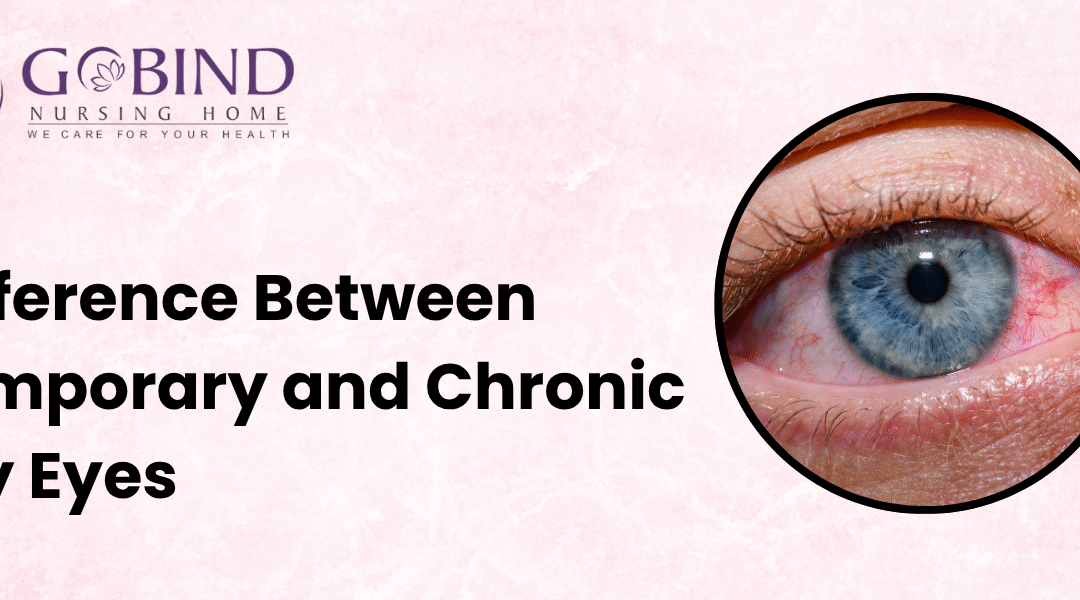
Have your eyes ever felt dry or irritated after a long day staring at a screen or being outdoors in the wind? That uncomfortable, scratchy feeling is common — but sometimes, it’s more than just a passing issue. Dry eyes can be temporary or chronic, and understanding the difference between the two is essential for effective treatment.
Many people ignore early signs of eye dryness, assuming they’ll resolve on their own. However, experts at Gobind Eye Care, a trusted eye care hospital, explain that early identification can prevent long-term complications. In this article, we’ll explore the difference between temporary and chronic dry eyes, why it happens, and when it’s time to seek help from specialists like Dr. S. S. Khurana, one of the best eye doctors known for dry eye treatments.
Understanding the Basics: What Are Dry Eyes?
Dry eyes occur when your eyes don’t produce enough quality tears to stay lubricated, or the tears evaporate too quickly. This imbalance in the tear film — the thin layer that coats and protects your eyes — causes discomfort, redness, burning, and sometimes blurry vision.
The tear film has three essential layers:
- Oil layer (lipid layer): Prevents tears from evaporating.
- Water layer (aqueous layer): Provides hydration and nutrients.
- Mucus layer (mucin layer): Ensures even tear distribution across the eye surface.
Any disruption in these layers can cause dry eyes. However, whether it’s temporary or chronic depends on the underlying cause and duration of symptoms.
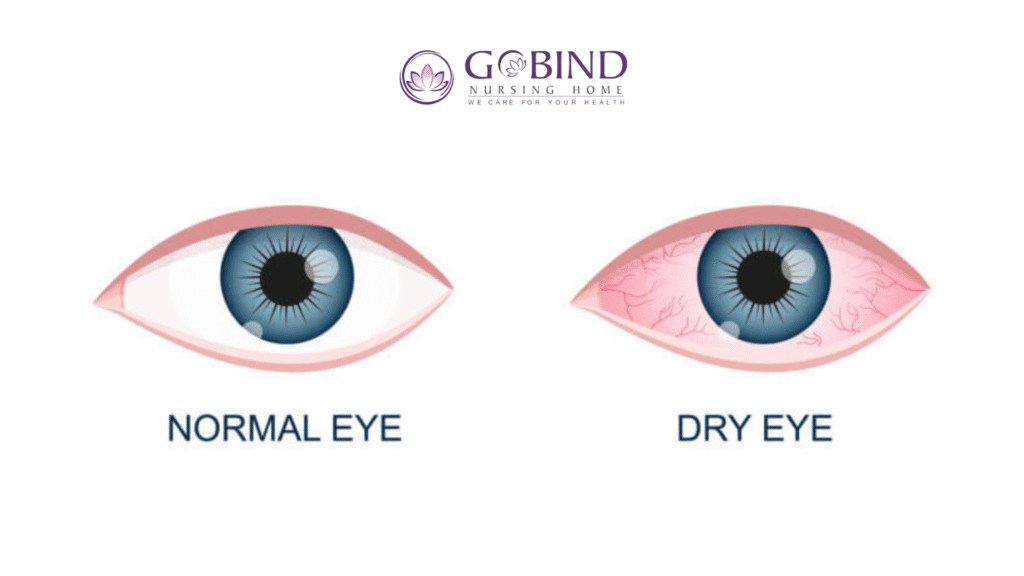
Temporary Dry Eyes: Causes and Characteristics
Temporary dry eyes are short-term conditions that typically resolve once the trigger is removed or the eyes recover. They are common and can happen to anyone, especially in certain environmental or lifestyle situations.
Common Causes of Temporary Dry Eyes
Digital Screen Use:
When using phones, computers, or TVs, you blink less frequently — sometimes up to 60% less — leading to faster tear evaporation.
Environmental Conditions:
Exposure to air conditioning, heaters, pollution, wind, or dry climates can cause short-term dryness.
Allergies or Medications:
Certain antihistamines or nasal sprays can temporarily dry out the eyes.
Allergies or Medications:
After procedures like LASIK or cataract surgery, patients may experience temporary dryness as the eyes heal.
Contact Lens Wear:
Contact lenses can disrupt the tear film, especially if worn for long hours without adequate lubrication.
Symptoms of Temporary Dry Eyes
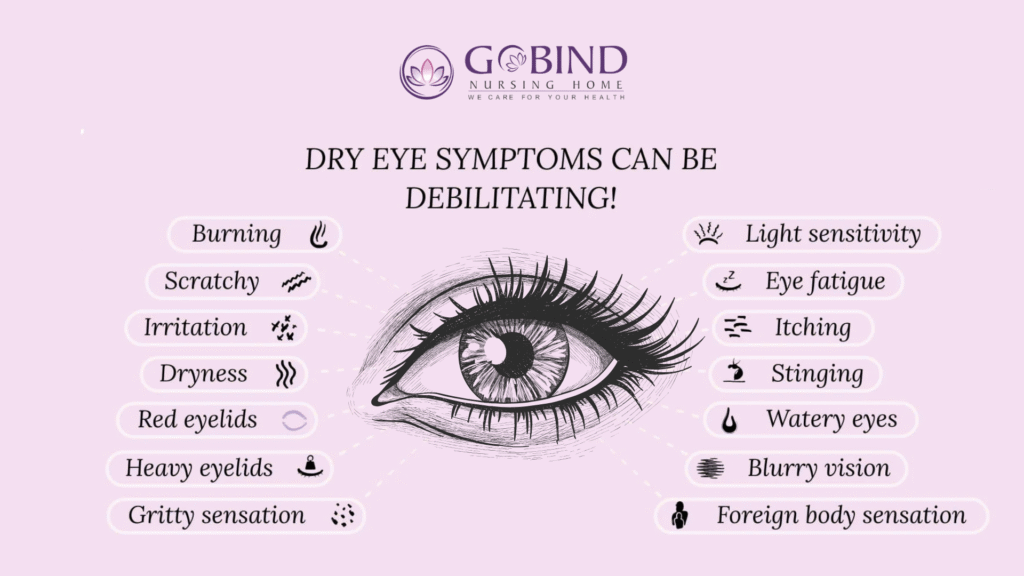
- Mild irritation or redness
- Blurry vision after long screen sessions
- Sensation of dryness that improves with rest or artificial tears
- Increased tearing as a reflex to dryness
If these symptoms improve within a few days or after environmental adjustments, it’s likely a temporary issue.
According to Dr. S. S. Khurana at Gobind Eye Care, temporary dry eyes are often reversible with lifestyle modifications, hydration, and proper eye care. He emphasizes that using the right lubricating drops and giving your eyes periodic rest are simple yet powerful ways to prevent the problem from recurring.
Chronic Dry Eyes: A Long-Term Condition
Unlike temporary dryness, chronic dry eyes is a persistent, ongoing condition that often requires medical evaluation and long-term management. It develops when your eyes fail to maintain a stable tear film for an extended period, resulting in continuous discomfort and vision disturbances.
Common Causes of Chronic Dry Eyes
Aging:
Tear production naturally decreases as you age, making older adults more prone to chronic dryness.
Autoimmune Diseases:
Conditions like Sjögren’s syndrome, rheumatoid arthritis, or lupus can cause chronic inflammation in tear-producing glands.
Hormonal Changes:
Women going through menopause often experience reduced tear production due to hormonal imbalance.
Meibomian Gland Dysfunction (MGD):
When the oil glands in your eyelids are blocked or inflamed, tears evaporate too quickly, leading to persistent dryness.
Long-Term Medication Use:
Certain antidepressants, blood pressure medications, or decongestants may interfere with tear production.
Chronic Screen Exposure:
Extended digital screen use can transform temporary dryness into a long-term problem if ignored.
Symptoms of Chronic Dry Eyes
- Constant dryness, burning, or gritty sensation
- Sensitivity to light (photophobia)
- Persistent redness or inflammation
- Difficulty wearing contact lenses
- Fluctuating vision throughout the day
- Fatigue and discomfort after reading or screen time
At a specialized eye hospital like Gobind Eye Care, experts use advanced diagnostic tools to measure tear quality, evaporation rate, and gland function to determine if the condition is chronic.
Key Differences Between Temporary and Chronic Dry Eyes
| Feature | Temporary Dry Eyes | Chronic Dry Eyes |
| Duration | Short-term (few hours to days) | Long-term (weeks to years) |
| Cause | Environmental or behavioral factors | Medical or glandular dysfunction |
| Treatment | Lifestyle changes and artificial tears | Medical management and advanced procedures |
| Severity | Mild and reversible | Moderate to severe, progressive |
| Risk | Minimal if treated early | High risk of corneal damage if untreated |
The difference largely lies in the persistence of symptoms. Temporary dryness often fades once the trigger is removed, while chronic dry eyes persist despite basic remedies.
Diagnosis: How Experts Identify the Condition
Eye Specialists like Dr. S. S. Khurana, known as one of the best eyes doctors, follow a detailed diagnostic approach to identify whether the dryness is temporary or chronic. The process includes:
- Tear Break-Up Time (TBUT): Measures how long the tear film remains stable before evaporating.
- Schirmer’s Test: Checks tear production levels.
- Meibography: Examines the oil glands of the eyelids.
- Osmolarity Testing: Determines tear salt concentration — a key marker of chronic dryness.
Such precision ensures the patient receives a customized treatment plan suited to their condition’s severity.
Treatment Options for Dry Eyes
At Gobind Eye Care, we focuses on both symptom relief and root-cause correction. Here’s how temporary and chronic dry eyes are managed differently:
For Temporary Dry Eyes:
- Use of preservative-free artificial tears.
- Taking regular breaks during screen use (the 20-20-20 rule).
- Avoiding direct exposure to air conditioners or fans.
- Staying hydrated and including Omega-3-rich foods in the diet.
For Chronic Dry Eyes:
- Medicated Eye Drops: Prescription drops such as cyclosporine or lifitegrast reduce inflammation and restore tear production.
- Punctal Plugs: Tiny devices inserted into punctums to prevent tears from draining too quickly.
- Intense Pulsed Light (IPL) Therapy: Improves Meibomian gland function for stable tear film.
- Nutritional and Hormonal Therapy: Helps restore balance for better tear production.
- Surgical Treatments: In severe cases, procedures performed by the best eyes surgeon can restore eyelid alignment or tear drainage function.
According to Dr. S. S. Khurana, the key to effective dry eye management is understanding the cause. “Every patient’s tear film is unique,” he explains. “That’s why personalized diagnosis and treatment matter — one solution doesn’t fit all.”
When to Seek Professional Help
If your eyes frequently feel dry, gritty, or watery, or if artificial tears no longer provide relief, it’s time to visit a dry eyes hospital. Chronic dry eyes can worsen over time, leading to corneal damage, infection, or vision problems.
At Gobind Eye Care, patients receive detailed assessments and modern treatment options guided by leading eye surgeons in India, who combine clinical precision with compassionate care, ensuring long-term relief for his patients.
Preventive Eye Care Tips
- Follow the 20-20-20 rule — every 20 minutes, look at something 20 feet away for 20 seconds.
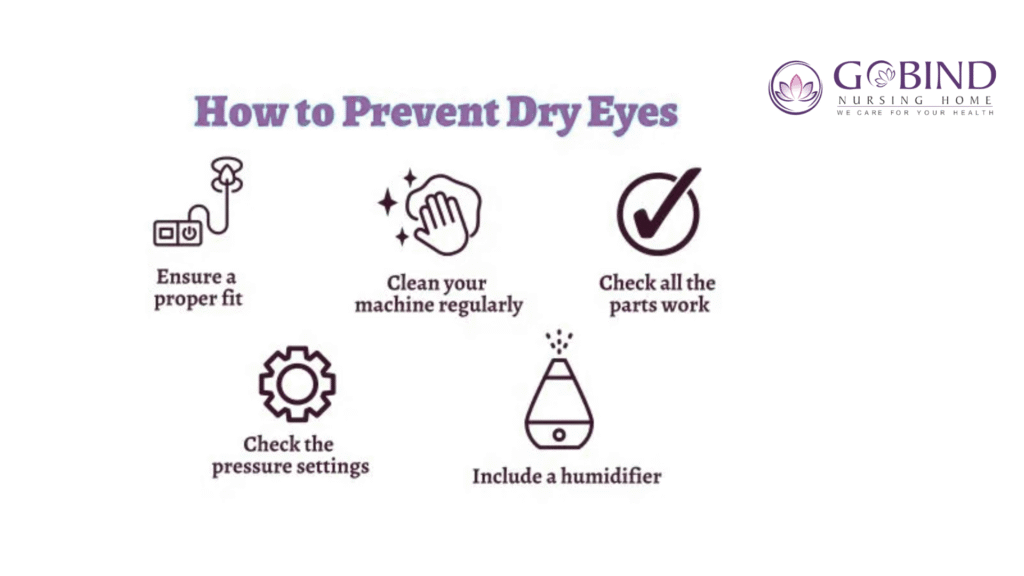
- Use a humidifier in dry indoor environments.
- Stay hydrated and maintain a balanced diet rich in Omega-3s.
- Avoid smoking or smoky environments.
- Get regular eye checkups, especially if you use digital devices extensively.
Conclusion
The difference between temporary and chronic dry eyes lies not only in duration but also in their underlying cause and severity. Temporary dryness may come and go, but chronic dry eyes demand professional care to prevent long-term damage.
If you’re struggling with persistent eye discomfort, visit Gobind Eye Care, equipped with advanced technology and experienced specialists.
Your eyes are priceless — don’t let dryness affect your vision or comfort. Seek expert care early and experience lasting relief with professional help.