
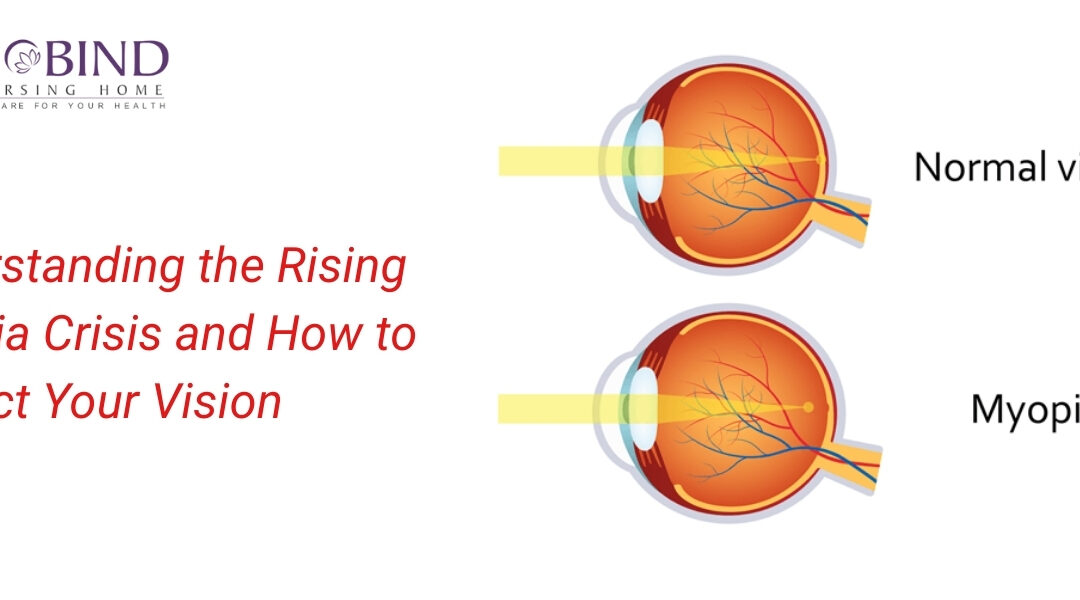
Myopia, commonly known as near-sightedness, has become one of the world’s fastest-growing vision problems. With increasing screen time, reduced outdoor activities, and lifestyle changes, millions of children and adults are developing refractive errors earlier than ever before. To spread awareness, health organizations and leading eye care hospitals are promoting the Nation Myopia week—an initiative designed to educate the public about the causes, effects, prevention, and treatment options for myopia.
In this blog, we break down everything aims to communicate, with insights from leading eye specialists, experienced eye surgeons, and trusted eye care institutions like Gobind Eye Care, where experts such as Dr. Bindiya Dhupper emphasize early detection and proper eye care.
What Is Myopia? Understanding the Basics
Myopia is a condition where distant objects appear blurry, while close objects remain clear. This occurs when:
- The eyeball grows longer than normal
- The cornea curves too steeply
- Light focuses in front of the retina instead of directly on it
Myopia often begins in school-age children and can progress into adulthood. According to global data, nearly half of the world’s population may become myopic by 2050 if preventive actions are not taken.
Why the Nation Myopia Week Matters
The Nation Myopia Week is a tool created to:
- Spread awareness about rising myopia cases
- Educate parents, teachers, and young adults
- Highlight prevention strategies
- Encourage regular eye checkups
Promote access to quality eye treatment at a trusted eye care hospital
Institutions like Gobind Eye Care play a significant role by supporting national awareness campaigns and offering comprehensive myopia evaluations.
Common Causes of Myopia You Should Know
While genetics play a role, lifestyle habits are now the major contributors:
1. Excessive Screen Time
Digital devices force the eyes to work harder at a close range, leading to digital strain and early development of refractive errors.
2. Lack of Outdoor Activities
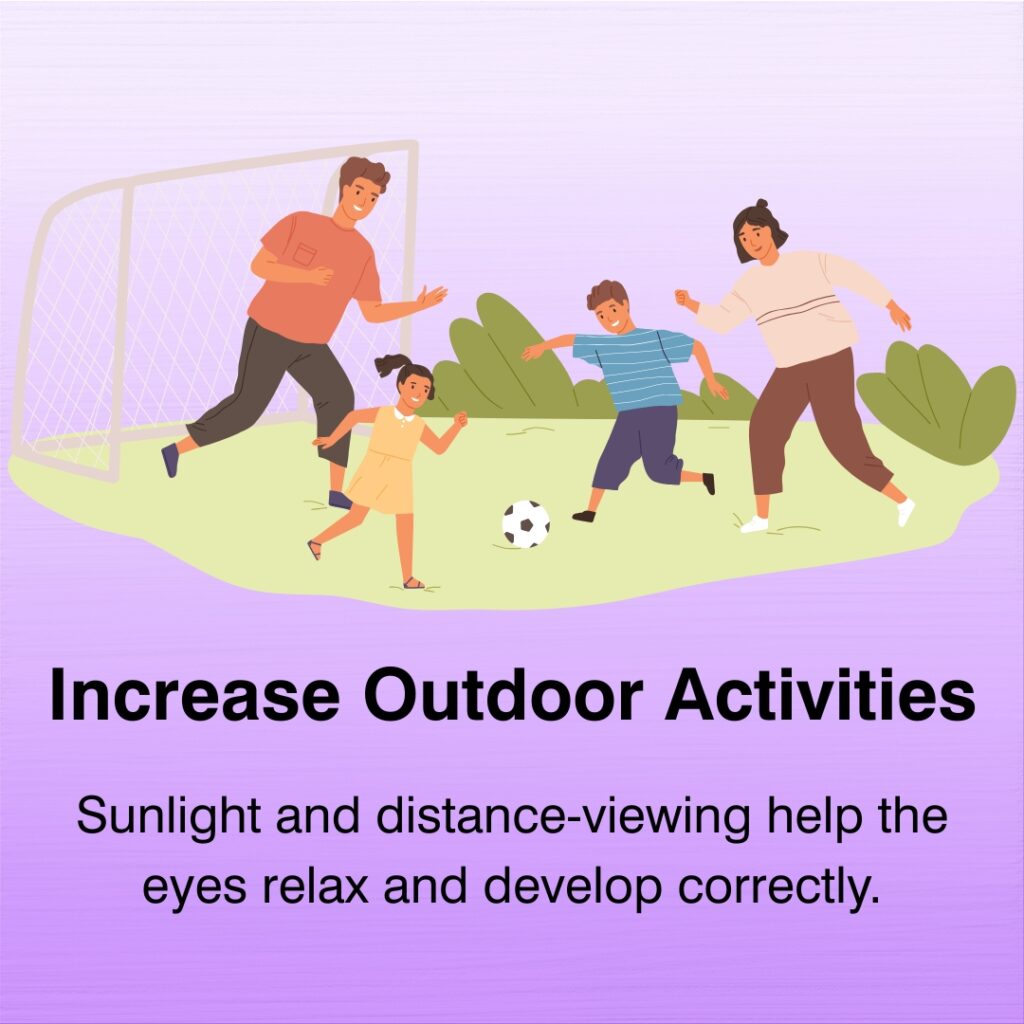
Natural light helps regulate healthy eye growth. Children who spend less time outdoors are more prone to developing myopia.
3. Poor Lighting and Reading Habits
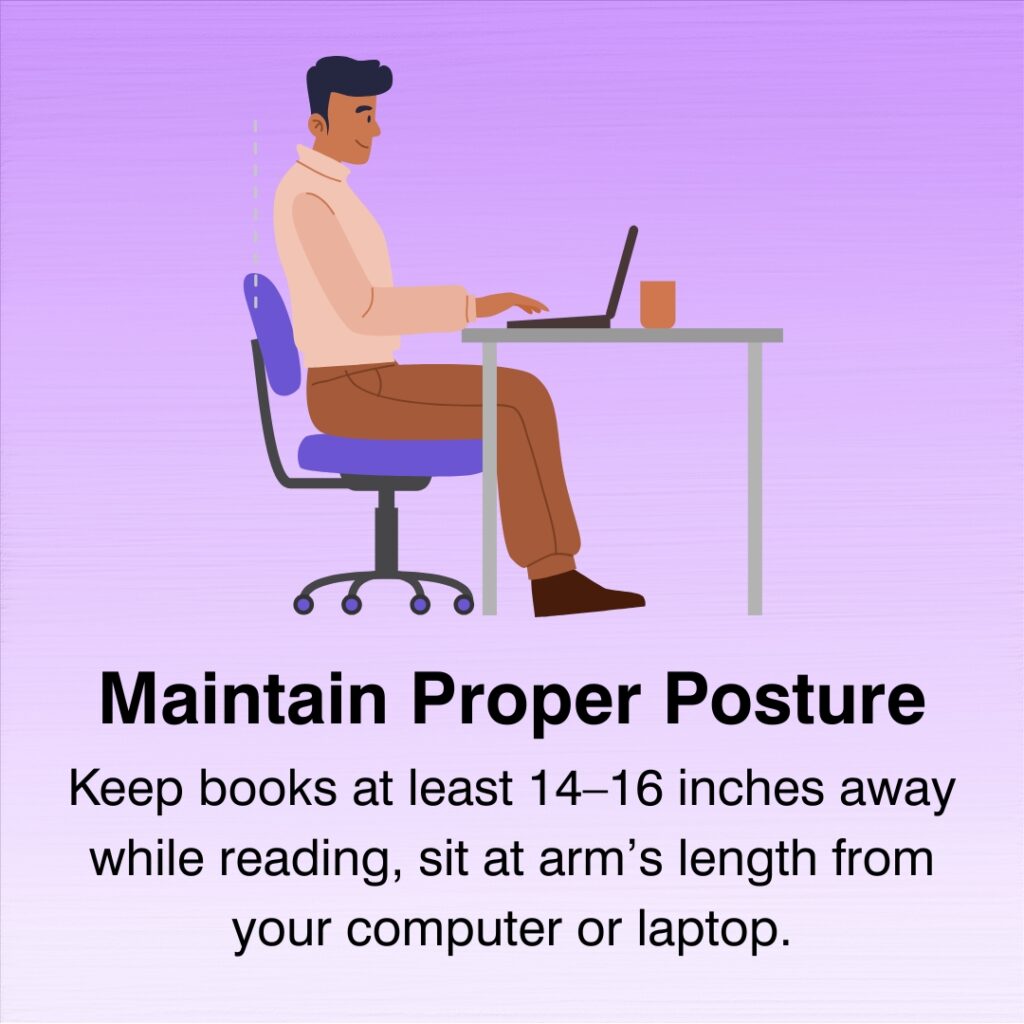
Reading in dim light, improper posture, and holding books too close to the face can accelerate myopia progression.
4. Family History
If one or both parents are myopic, the risk increases significantly.
5. Uncorrected Vision Problems
Ignoring vision issues or skipping eye checkups often allows mild myopia to worsen.
Signs and Symptoms
Early recognition is crucial. The highlights warning signs such as:
- Squinting or blinking excessively
- Holding screens or books too close
- Frequent headaches or eye strain
- Difficulty seeing the board at school
- Complaints of blurry distance vision
- Rubbing eyes often
- Poor concentration during visual task.
If you notice these signs, consult qualified eye specialists immediately.
Impact of Myopia on Daily Life
Untreated myopia affects more than just eyesight:
- Learning difficulties in children
- Reduced productivity in adults
- Increased risk of serious eye conditions such as glaucoma, cataracts, and retinal detachment
- Poor night vision affecting driving
- Constant eye strain and fatigue
This is why expert care at a reputed eye care hospital is essential for long-term eye protection.
How Myopia Is Diagnosed
A proper eye examination includes:
- Visual acuity test
- Retinoscopy
- Refraction test
- Fundus examination
- Corneal curvature measurement
Treatment Options for Myopia
The several safe and effective treatments of Myopia are
1. Prescription Glasses
The most common and safe correction method for children and adults.
2. Contact Lenses
Ideal for those who want a broader field of vision and more comfort during sports or outdoor activities.
3. Orthokeratology (Ortho-K)
Special overnight lenses reshape the cornea temporarily—useful for slowing myopia progression.
4. Atropine Eye Drops
Low-dose atropine is clinically proven to control myopia progression in children.
5. Specialized Myopia-Control Glasses
DIMS technology and other advanced lenses help slow down eye elongation.
6. Laser Vision Correction
Procedures like LASIK and PRK performed by experienced eye surgeons can correct refractive errors in eligible adults.
7. Lifestyle & Behavioral Changes
Increased outdoor time, reduced screen use, and better reading habits are strongly recommended.
Prevention Tips from Eye Specialists
The Nation Myopia week outlines simple but effective prevention measures:
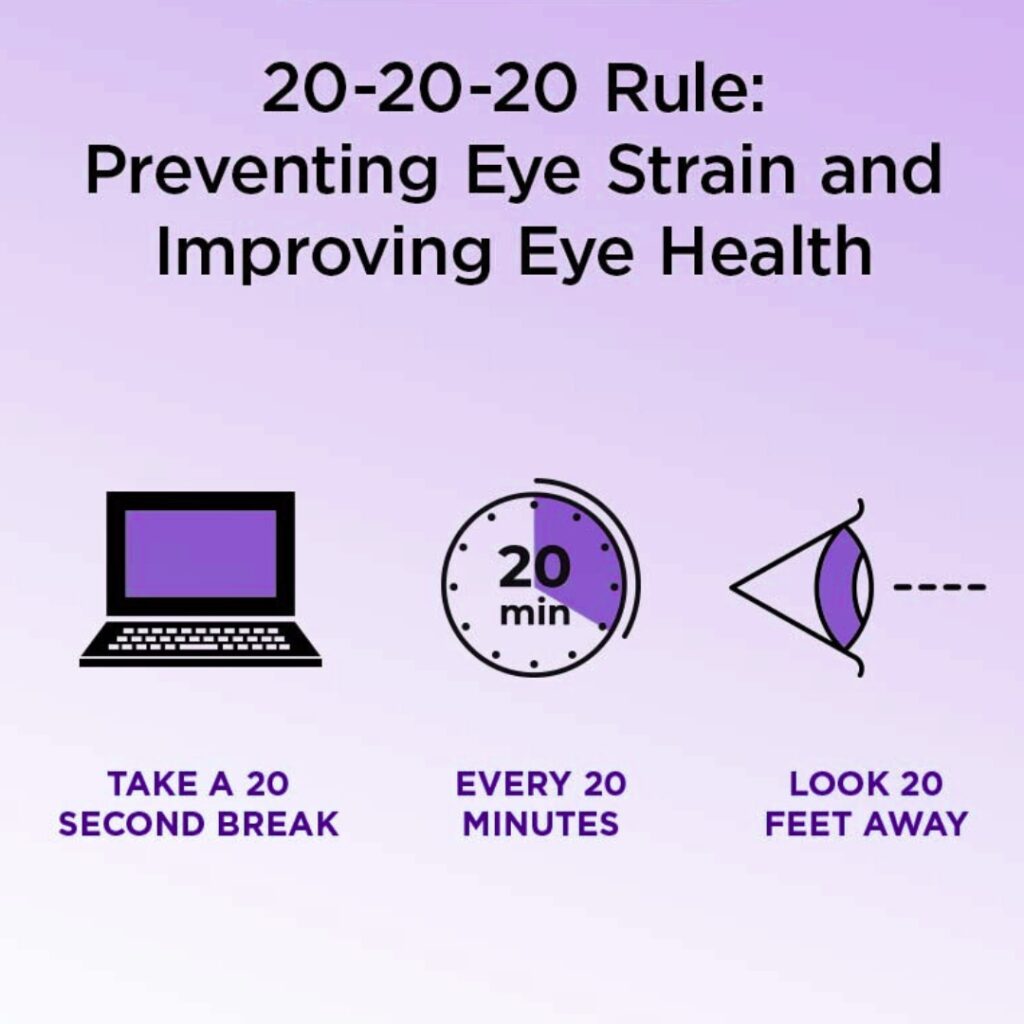
1. Follow the 20-20-20 Rule
2. Increase Outdoor Activities
3. . Maintain Proper Posture
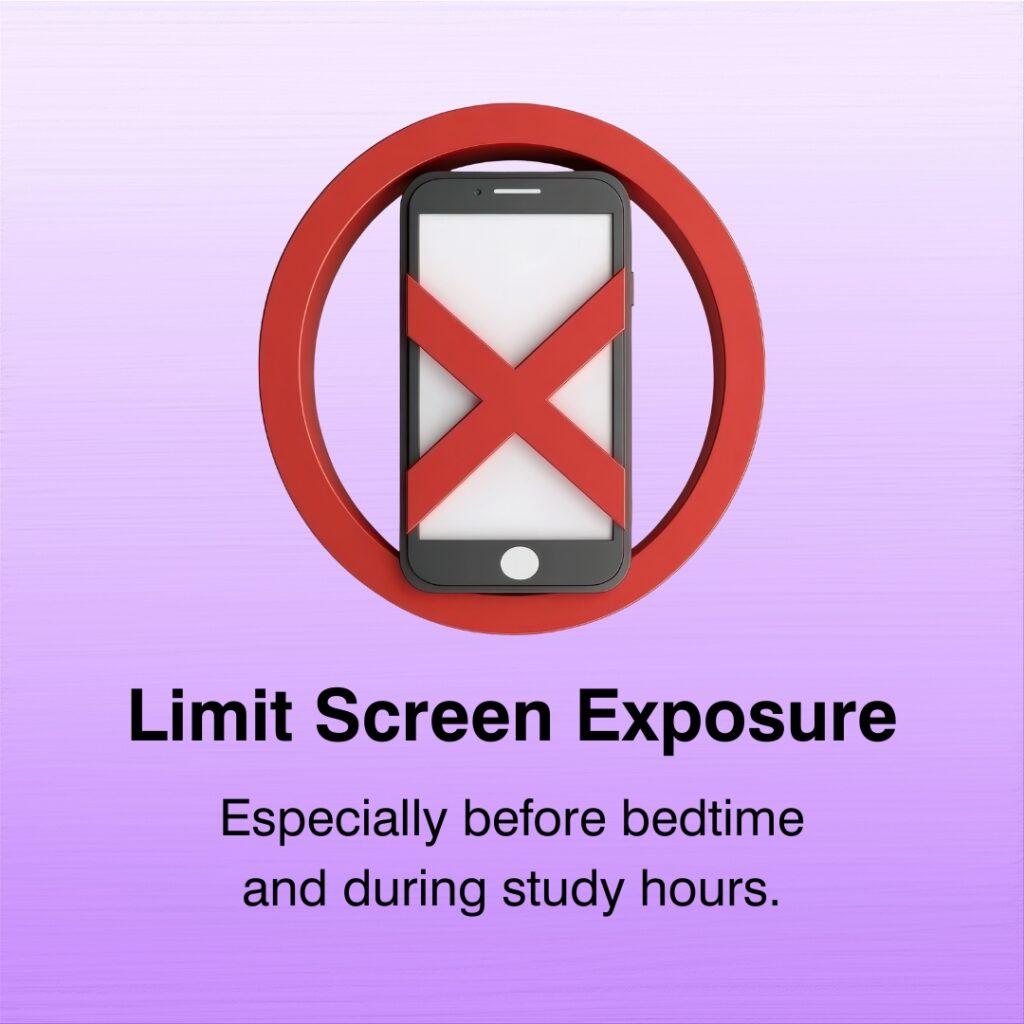
4. Limit Screen Exposure
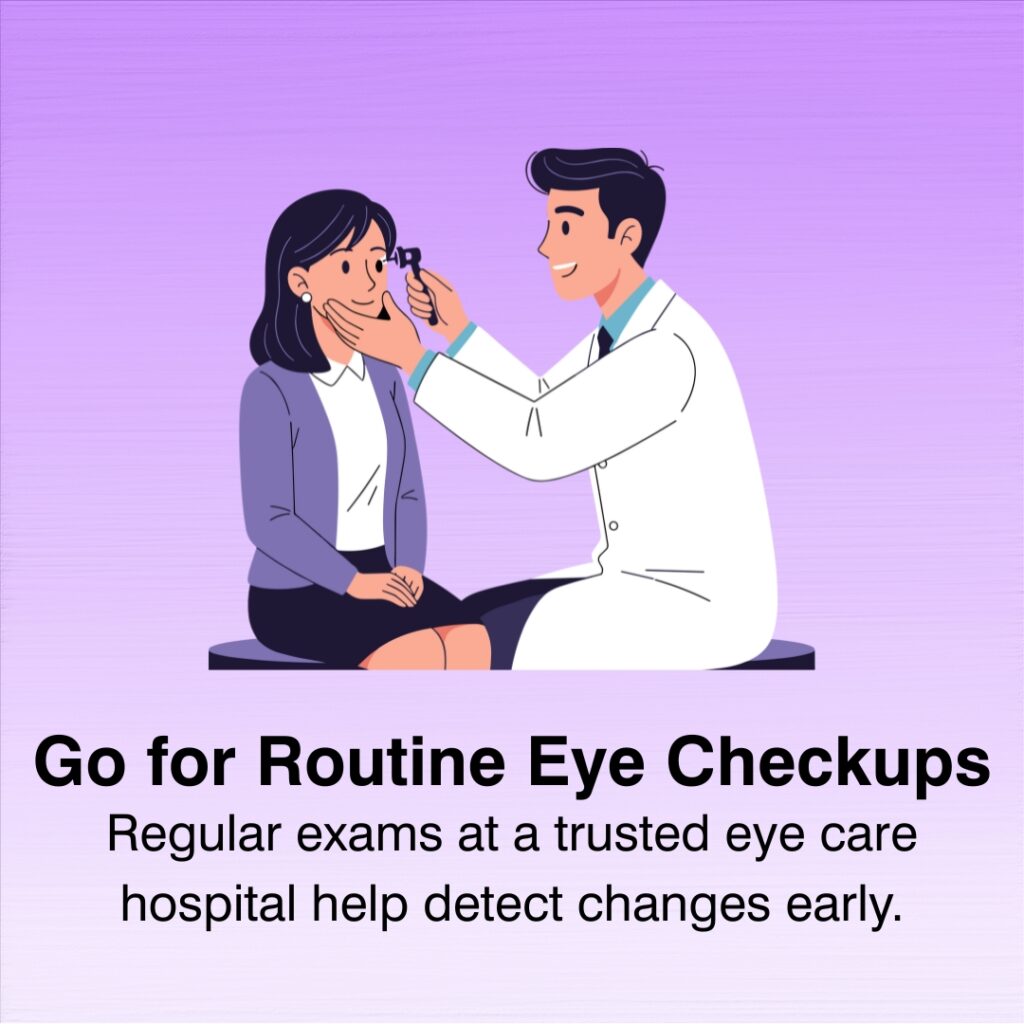
5. Go for Routine Eye Checkups
6. Adopt a healthy diet

Why Early Intervention Matters
Ignoring early myopia can lead to high myopia, which increases the risk of:
- Retinal detachment
- Glaucoma
- Early cataracts
- Myopic macular degeneration
Eye specialists and surgeons stress that early diagnosis not only improves vision but also reduces the risk of future complications.
Conclusion: Let’s Join Hands to Reduce the Myopia Burden
The Nation Myopia week serves as a reminder that awareness, prevention, and early treatment are the keys to controlling this growing vision problem. With expert guidance from trusted institutions like Gobind Eye Care and specialists such as Dr. Bindiya Dhupper, individuals of all ages can protect their eyesight and prevent myopia from affecting their quality of life.
By adopting healthy visual habits and choosing timely eye care, we can ensure a clearer, brighter future for ourselves and the next generation.
Also Read:- What Is Retinal Detachment? Causes, Symptoms, and Treatment Explained