
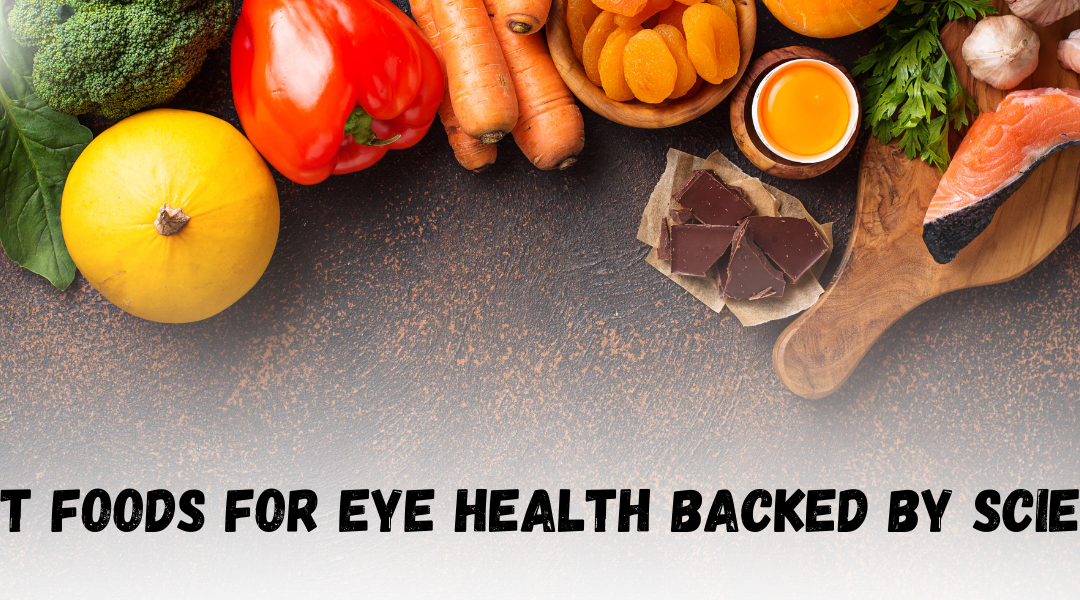
Healthy eating isn’t just good for your waistline — it’s essential for maintaining your eyesight as you age. From combating oxidative damage to lowering the risk of chronic eye conditions like macular degeneration and cataracts, the right foods can make a real difference. In this blog, we’ll explore the best foods for eye health, backed by scientific research, and show how small changes in your diet can support lifelong vision.
Whether you’re searching for guidance from an eye specialist or prepping for a visit to an eye surgeon at a trusted facility like Gobind Eye Care, understanding eye-friendly nutrition gives you a proactive advantage.
Why Food Matters for Your Eyes
Vision is one of the most complex and delicate senses. The retina — the light-sensing layer at the back of your eye — is especially sensitive to oxidative stress. Poor diet and nutritional deficiency contribute to conditions like:
- Age-related macular degeneration (AMD)
- Cataracts
- Dry eye syndrome
- Glaucoma progression
Scientific studies link specific nutrients to improved eye structure, reduced inflammation, and protection against light-induced damage. Incorporating these foods now can reduce the need for advanced interventions by an eye surgeon later.
Top Nutrients for Eye Health
Before we dive into foods, let’s spotlight the nutrients that research repeatedly supports for vision:
| Nutrient | Main Benefit |
| Vitamin A & Beta-Carotene | Essential for low-light vision; protects cornea |
| Lutein & Zeaxanthin | Macular protection; filters blue light |
| Omega-3 Fatty Acids | Supports tear production; reduces dryness |
| Vitamin C & E | Antioxidants that protect eye tissues |
| Zinc | Helps vitamin A create melanin; supports retina |
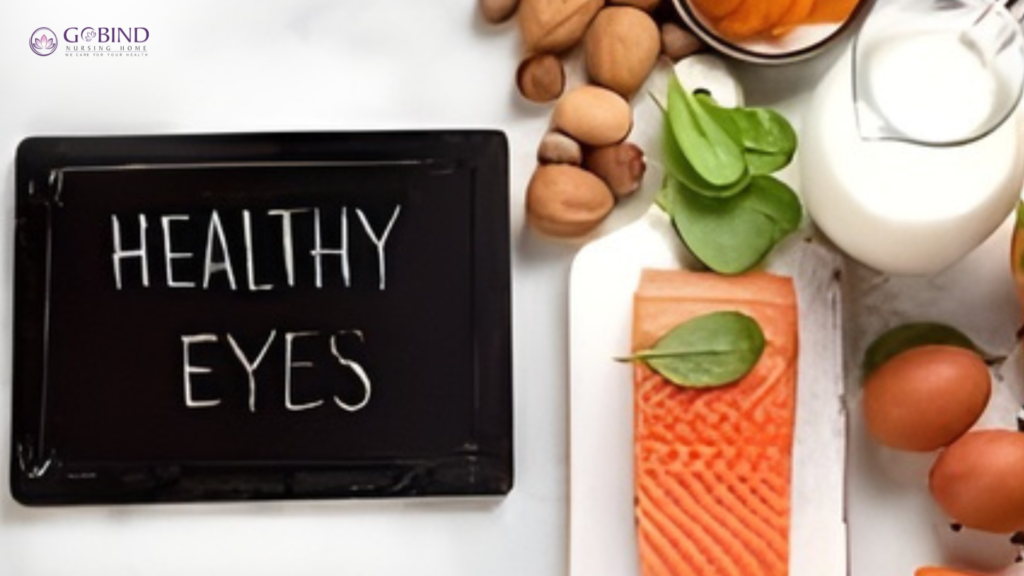
1. Leafy Greens: Kale, Spinach & Swiss Chard
If there were a superhero food for eye health, leafy greens would be it.
Why They Matter
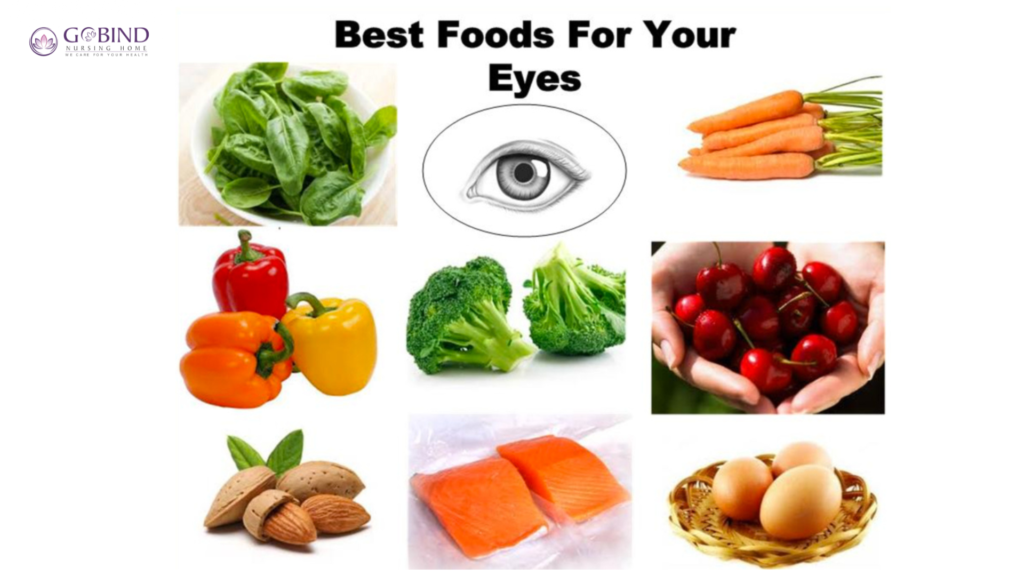
Leafy greens are loaded with lutein and zeaxanthin — carotenoids concentrated in the macula that act like natural sunglasses, filtering harmful high-energy light. Studies show diets rich in these compounds are linked to lower risk of age-related macular degeneration (AMD).
How to Enjoy
- Morning smoothies with spinach
- Sautéed kale with garlic
- Swiss chard in soups
Tip: Light cooking makes carotenoids more absorbable.
2. Carrots and Sweet Potatoes
“Carrots help you see in the dark” — the classic childhood advice has scientific roots.
Nutrient Highlight
Carrots and sweet potatoes are rich in beta-carotene, a precursor to vitamin A, which is vital for the retina and the function of rod cells — responsible for low-light vision.
Quick Serving Ideas
- Roasted sweet potato wedges
- Carrot sticks with hummus
- Grated carrots in salads
3. Fatty Fish: Salmon, Mackerel & Sardines
Foods high in omega-3 fatty acids play a central role in eye health.
How Omega-3 Helps
Omega-3s (especially DHA) are structural components of the retina and contribute to tear stability. Research links higher omega-3 intake to reduced risk of dry eye syndrome and improved visual development.
Delicious Choices
- Grilled salmon with herbs
- Sardine toast with avocado
- Mackerel salad
If seafood isn’t your favorite, consider omega-3 supplements after consulting your eye specialist.
4. Eggs
Eggs are an often under-appreciated eye food.
Nutrients Inside
The yolk contains lutein, zeaxanthin, and zinc — a trio that supports retina health and helps prevent oxidation.
Serving Suggestions
- Hard-boiled eggs for breakfast
- Omelets with spinach and tomatoes
5. Citrus Fruits and Berries
Vitamin C is one of the strongest antioxidants your body produces naturally — and your eyes benefit immensely from it.
Benefits of Vitamin C
Vitamin C helps maintain the health of blood vessels in the eyes and reduces the risk of cataracts and AMD. Eating vitamin-C rich fruits also supports overall immune health.
Best Sources
- Oranges and sweet limes
- Strawberries and blueberries
- Kiwi fruits
Snack on them, blend into smoothies, or add to breakfast bowls.
6. Nuts and Seeds
Snack smart! Nuts and seeds are small but nutrient-packed.
What They Give You
- Vitamin E, which protects eye cells from free-radical damage
- Omega-3s in flax and chia seeds
Ideas for Every Day
- Almonds or walnuts as snacks
- Chia pudding with berries
- Pumpkin seeds on salads
7. Colorful Peppers
Red, yellow, and orange peppers are rich in vitamin C and carotenoids.
Why They’re Eye-Friendly
Pepper skin contains antioxidant compounds that help reduce oxidative stress in the retina.
Enjoy Them
- Stir-fried with other veggies
- Raw with dip
- Roasted in sandwiches or wraps
8. Beans and Legumes
Often overlooked, legumes offer a wealth of nutrition for eye health.
Benefits
- High in zinc — helps bring vitamin A from the liver to the retina
- Stabilizes blood sugar, reducing risk of diabetic eye disease
Try These
- Lentil soups
- Black beans in salads or wraps
- Chickpeas roasted as crunchy snacks
Foods to Limit for Eye Health
Just as some foods help your eyes, others can harm them when consumed in excess:
- Sugary snacks & beverages — linked to higher risk of diabetic eye disease
- Highly processed foods — may promote chronic inflammation
- Excessive salt — can raise blood pressure, affecting the eyes
Balance is key — enjoy treats occasionally while focusing on nutrient-dense choices.
Eye Health Nutrition Tips Backed by Experts
Here’s what top eye specialists recommend for a vision-supporting diet:
- Pair carotenoid-rich veggies with healthy fats (like olive oil) to improve absorption
- Aim for 2–3 servings of omega-3 rich fish per week
- Include a variety of colorful fruits and vegetables daily
- Hydrate often — water supports tear quality and overall eye comfort
If you have specific concerns — like family history of macular degeneration or recent changes in vision — ask your eye specialist or eye surgeon at a trusted center like Gobind Eye Care or the best hospital in Hisar for personalized guidance. They can recommend dietary adjustments alongside medical care.
When to See an Eye Specialist
Good nutrition boosts eye health, but it’s not a substitute for professional care. You should consult an eye specialist if you notice:
- Blurry or double vision
- Sudden changes in vision
- Floaters or flashes
- Eye pain or chronic dryness
- Night vision problems
Early screening helps catch issues like glaucoma, cataracts, and AMD before they progress.
Conclusion
Your eyes work hard every day — from reading texts to navigating roads in bright sunlight. Nourishing them with the best foods for eye health is a smart investment in your long-term vision. Foods rich in vitamin A, C, E, lutein, zeaxanthin, omega-3s, and minerals like zinc help protect against disease and support healthy eye function. Pair your diet with regular check-ups from an eye specialist or eye surgeon, especially at reputable centers like Gobind Eye Care or the best hospital in Hisar, for comprehensive eye care.
Also Read