
Eye exercises are often promoted as a natural way to enhance vision, but their effectiveness depends on the specific eye condition. While they excel at reducing strain and improving comfort, they cannot correct refractive errors like myopia or hyperopia.
Understanding Eye Exercises
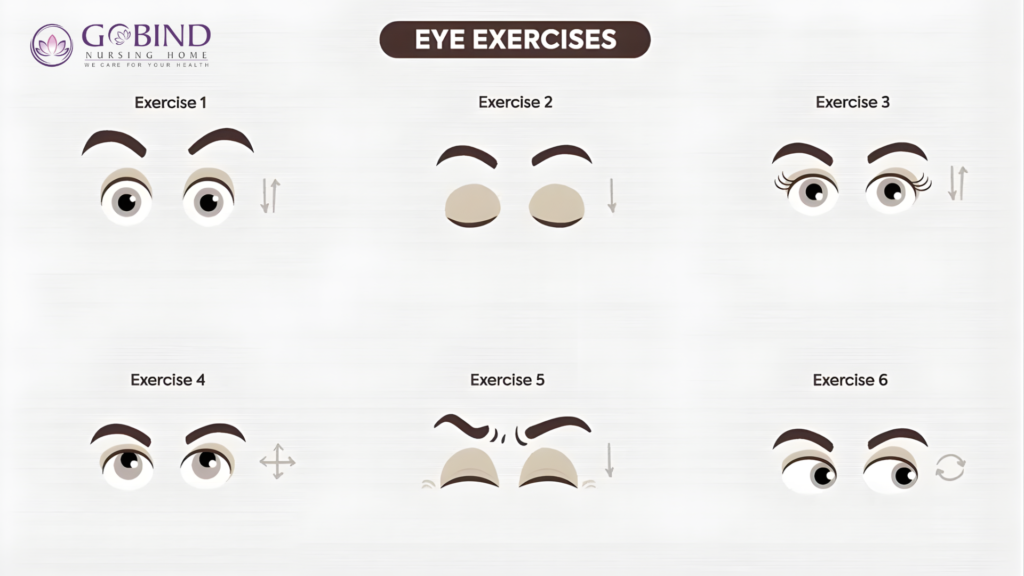
Eye exercises target the muscles around the eyes to boost flexibility, focus, and relaxation. Common practices include palming, where you rub hands for warmth and cup them over closed eyes to ease tension; near-far focusing, shifting gaze from a thumb at 10 inches to an object 20 feet away; and eye rolling in clockwise and counterclockwise directions.
These techniques draw from eye yoga traditions, like Trataka or candle gazing, which also sharpen concentration. For eye care enthusiasts in Hisar, where screen time and pollution strain vision, such routines offer daily relief without invasive treatments.
Scientific Evidence on Vision Improvement
Research shows mixed results: eye exercises effectively combat digital eye strain, fatigue, and poor focusing from prolonged screen use, but they do not reshape the cornea or lens to fix nearsightedness or farsightedness. Clinical trials confirm no significant reduction in prescription strength from exercises alone.
They shine in vision therapy for conditions like convergence insufficiency, enhancing eye coordination. However, claims of ditching glasses entirely remain unproven, urging caution against overpromising natural fixes.
Top Eye Exercises for Daily Eye Care
Incorporate these into your routine for optimal eye health:
- Palming: Warm palms by rubbing, cover closed eyes for 2-3 minutes. Relaxes muscles post-screen time.
- Near and Far Focus: Thumb at 10 inches (15 seconds), then distant object (15 seconds); repeat 10 times. Builds focus flexibility.
- Eye Rolling: Circle eyes clockwise then counterclockwise for 30 seconds. Boosts circulation.
- Figure Eight: Trace an imaginary “8” on its side 10 feet away with eyes for 30 seconds each direction. Improves tracking.
- Brock String: Beads on a string from nose to arm’s length; focus on each. Enhances depth perception.
- 20-20-20 Rule: Every 20 minutes, view something 20 feet away for 20 seconds. Prevents strain.
Practice 10-15 minutes daily, ideally morning or evening. Consistency matters for noticeable comfort gains.
Benefits Beyond Vision Correction
Eye exercises reduce headaches, dryness, and blur from urban lifestyles. They promote blood flow, easing symptoms for students and professionals glued to devices.
Paired with habits like blinking more, good lighting, and breaks, they support holistic eye care. Yoga-based options integrate seamlessly into Indian wellness routines, fostering mental clarity too.
Limitations and When to Consult an Eye Specialist
Eye exercises won’t reverse age-related issues like presbyopia or glaucoma. Persistent blur, pain, or floaters demand professional evaluation from an eye specialist, not self-treatment.
In India, rising myopia from education pressures highlights the need for balanced care. Facilities like Gobind Eye Care offer expert checks alongside natural tips, ensuring safe progress.
| Condition | Eye Exercises Help? | Best Alternative |
| Eye Strain | Yes, significantly | 20-20-20 Rule |
| Myopia/Hyperopia | No | Glasses/Contacts |
| Convergence Issues | Yes, via therapy | Vision Training |
| Dry Eyes | Partial relief | Lubricating Drops |
| Glaucoma | No | Medical Treatment |
Integrating Eye Care into Lifestyle
Combine exercises with nutrition: leafy greens, omega-3s, and hydration bolster eye health. Limit screens, use anti-glare specs, and get annual eye exams from trusted eye specialists.
For Hisar residents, local pollution amplifies strain—outdoor time and protective eyewear help. Gobind Eye Care emphasizes preventive strategies, blending modern diagnostics with natural aids.
Role of Professional Eye Care
While natural methods tempt, an eye specialist provides tailored advice. Advanced checks detect issues early, preventing progression. Seek Gobind Eye Care for comprehensive eye care in Hisar, where personalized plans include exercises as adjuncts.
Don’t ignore red flags; professional intervention ensures long-term vision protection.
Frequently Asked Questions
Do eye exercises reduce glass power?
No, they manage strain but not refractive errors.
How often for results?
Daily 10-15 minutes; comfort improves in weeks.
Safe for children?
Yes, under guidance to curb myopia rise.
Best time?
Morning or pre-bed for max relaxation.
Prioritize evidence-based eye care. Consult an eye specialist for persistent concerns, enhancing natural efforts safely.
Also Read