Cataract Surgery

“Advanced Cataract Treatment at Gobind Eye Care – Clear Vision, Trusted Care.”

NEVER LET CATARACT BLUR YOUR HAPPINESS

What Happens In Cataracts
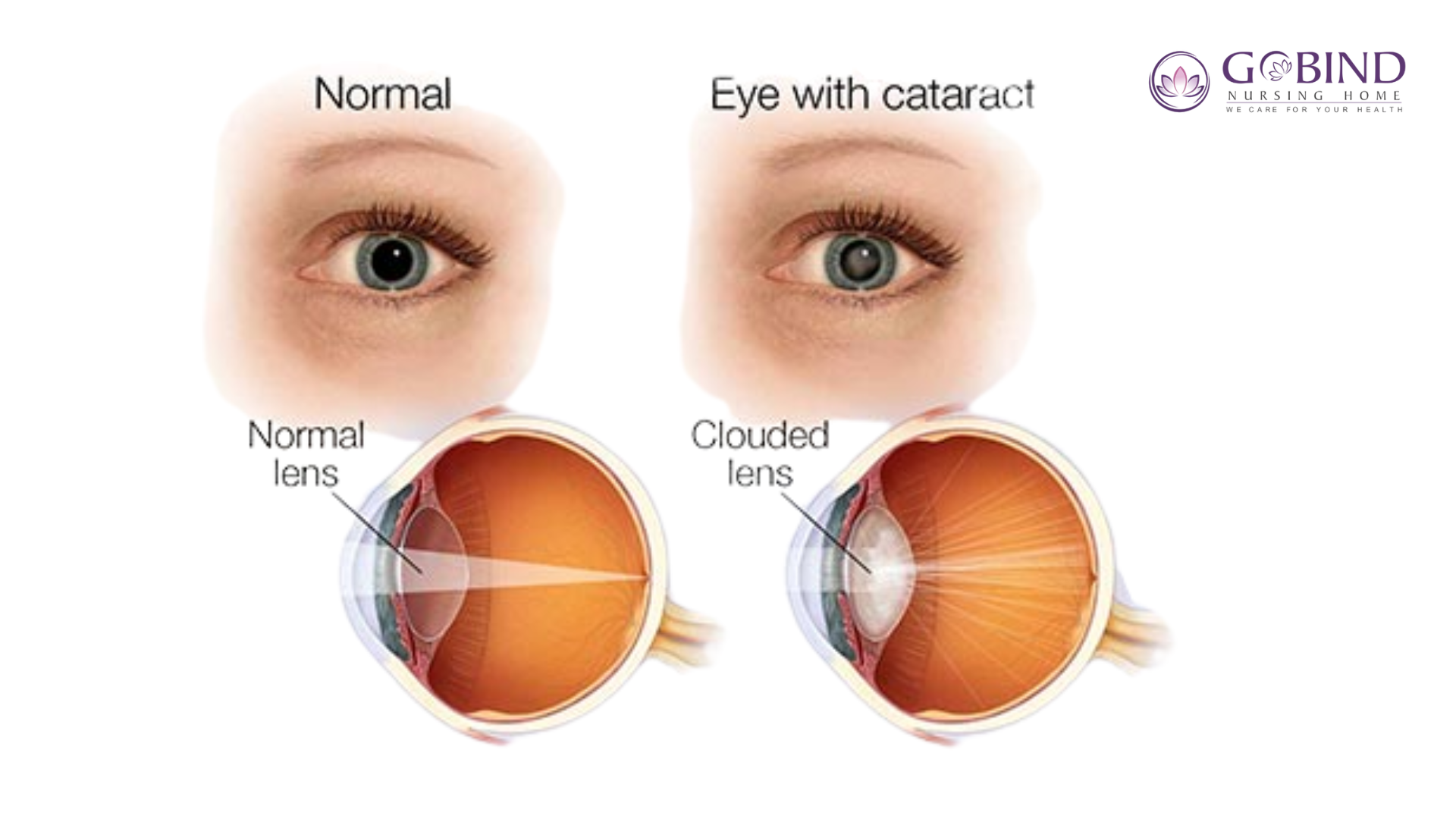
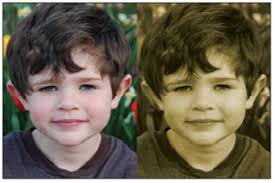
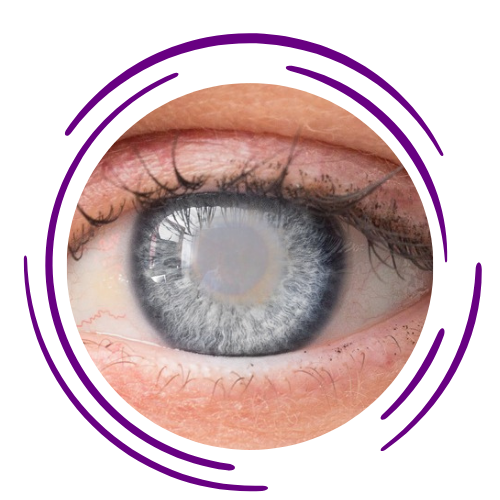
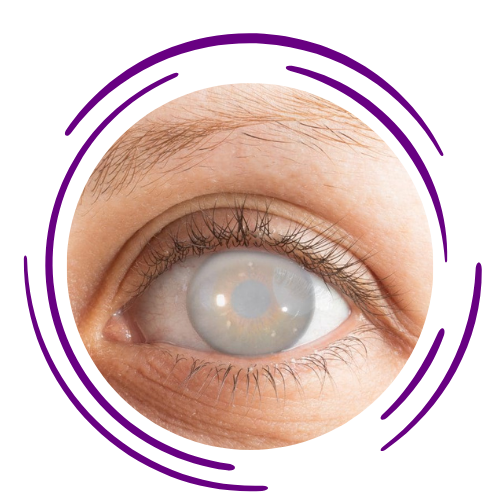
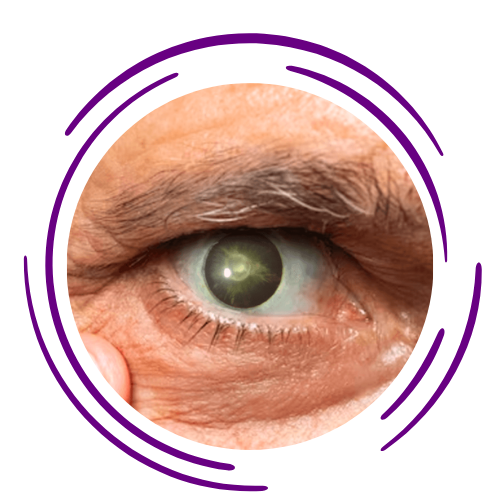
In cataracts, the eye’s natural lens, which is normally clear, gradually becomes cloudy. This clouding occurs when proteins in the lens start to break down and clump together, preventing light from passing through properly to the retina. As a result, vision becomes blurred, dull, or hazy, and colors may appear faded. Over time, the cataract can grow larger and denser, causing increased glare, difficulty seeing at night, and trouble with daily activities such as reading or driving. Cataracts usually develop slowly and worsen with age, but once they significantly affect vision, cataract surgery is the only effective way to restore clear sight.

Normal lens or clouded lens showing clarity and cataract formation.

Symptoms

Causes Of Cataract

Ageing

With increasing age, the natural lens of the eye slowly becomes cloudy, leading to cataract formation.

Excessive Sunlight

Long-term exposure to ultraviolet rays damages the lens proteins, increasing the risk of cataracts.

Smoking and Alcohol Consumption

Harmful chemicals and toxins reduce the eye’s natural defense, speeding up lens clouding.

Family History

Cataracts can run in families, increasing the likelihood of developing them at a younger age.

Types of Cataract

Nuclear Cataract
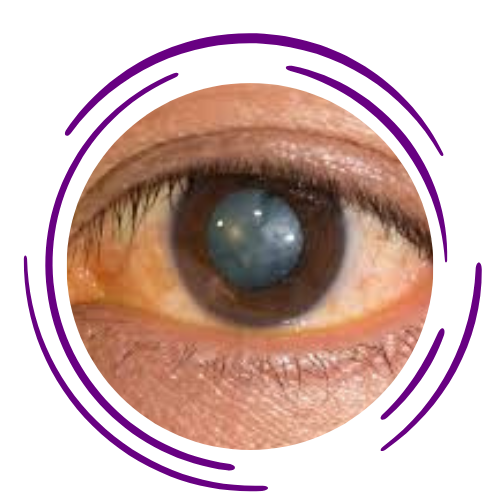
Nuclear cataract is a common age-related eye condition in which the central part of the eye’s natural lens gradually becomes cloudy and hardened. This leads to a slow but progressive decline in vision, making distant objects appear blurred and colors look faded or yellowish. People with nuclear cataract often experience difficulty with night driving, glare from lights, and frequent changes in their spectacle power. The condition develops over time due to aging, prolonged exposure to sunlight, smoking, or systemic conditions like diabetes. In the early stages, vision may improve temporarily with glasses, but as the cataract progresses, cataract surgery becomes the most effective treatment, where the cloudy lens is replaced with a clear artificial intraocular lens to restore vision.

Cortical Cataract

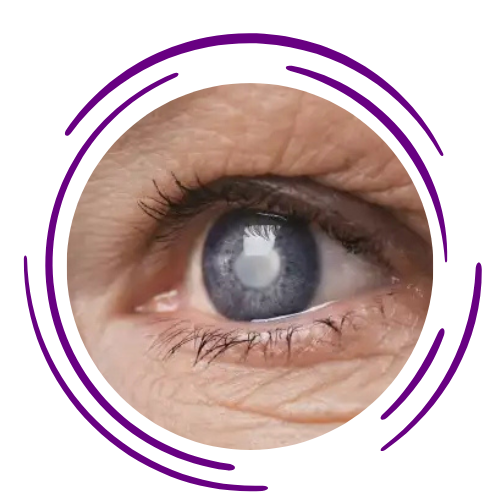
Cortical cataract is a type of cataract that begins in the outer edges (cortex) of the eye’s natural lens and gradually moves toward the center.People with cortical cataract often experience blurred or fluctuating vision, increased sensitivity to glare, difficulty seeing in bright light, and problems with night driving. This condition is commonly associated with aging, diabetes, excessive sunlight exposure, and eye injuries. In the early stages, vision changes may be managed with glasses, but as the cataract progresses and starts affecting daily activities, cataract surgery is the most effective treatment to restore clear vision. These Cataracts can also liquify and leak into the surrounding structures causing pain, increased pressure and chances of permanent visual loss. They need to be dealt with at the earliest since end stage Cataract Eye Surgeries are associated with significantly higher complications.

Congenital Cataract

Congenital cataract is a condition in which a baby is born with clouding of the eye’s natural lens or develops it shortly after birth. It can affect one eye or both eyes and may interfere with normal visual development if not treated early. Congenital cataracts can be caused by genetic factors, infections during pregnancy, metabolic disorders, or may occur without a known reason. Symptoms in infants may include a white or cloudy pupil, poor visual response, or abnormal eye movements. Early diagnosis through newborn eye screening is very important, as timely treatment—often involving surgery—helps ensure proper vision development and prevents long-term vision problems.

Posterior Subcapsular Cataract

Posterior subcapsular cataract (PSC) is a type of cataract that forms at the back surface of the eye’s natural lens, just beneath the lens capsule. It often progresses faster than other cataract types and commonly affects reading vision and vision in bright light. People with PSC may experience glare, halos around lights, difficulty seeing in sunlight, and problems with near vision, even in the early stages. This type of cataract is frequently associated with diabetes, long-term steroid use, eye inflammation, or trauma, and can also occur in younger individuals. While glasses may offer temporary relief, cataract surgery is the most effective treatment once vision starts interfering with daily activities.

Treatment Of Cataract at Gobind Eye Care

Microincision Phacoemulsification Cataract Surgery(MICS)
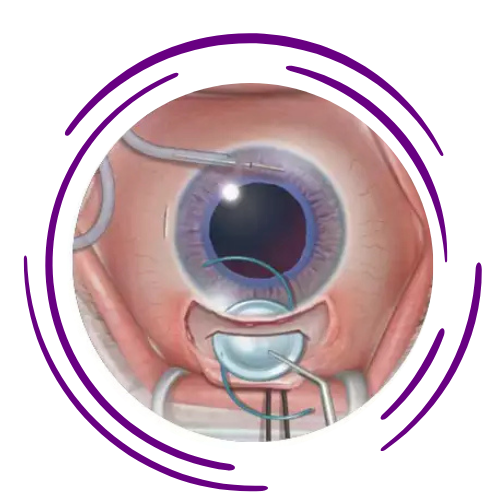
Microincision Phacoemulsification Cataract Surgery (MICS) at Gobind Eye Care is an advanced and minimally invasive technique used to treat cataracts with greater precision and safety. In this procedure, cataract removal is performed through an ultra-small incision (usually less than 2 mm), using high-frequency ultrasound to break the cloudy lens, which is then replaced with a premium intraocular lens (IOL). Because of the microincision, patients experience less pain, minimal tissue damage, faster healing, and quicker visual recovery. MICS also reduces the risk of infection and often does not require stitches. At Gobind Eye Care, this surgery is performed using modern technology and expert surgical care to ensure excellent visual outcomes and a comfortable patient experience.

Extracapsular Cataract Surgery

Extracapsular Cataract Surgery (ECCE) at Gobind Eye Care is a reliable and time-tested procedure used for removing advanced or mature cataracts. In this technique, the cloudy natural lens is removed in one piece through a slightly larger incision, while the outer lens capsule is preserved to support the placement of an intraocular lens (IOL). ECCE is especially useful in cases where modern phacoemulsification may not be suitable. At Gobind Eye Care, this surgery is performed by experienced eye surgeons with strict safety standards, ensuring effective cataract removal and improved vision. Although the recovery period is slightly longer compared to microincision techniques, patients achieve stable and satisfactory visual results with proper post-operative care.

Did You Know?

Cataracts are not contagious, but they can affect one or both eyes depending on eye health.

Cataracts develop slowly and usually do not cause pain in the early stages.

Cataracts cannot be cured with eye drops or medicines; surgery is the only permanent treatment.

Frequently Asked Questions

When do I need cataract surgery?

Cataract surgery is advised when poor vision starts affecting daily activities like reading, driving, or watching TV.

Is cataract surgery safe?

Yes, cataract surgery is one of the safest and most commonly performed eye surgeries with a high success rate.

Does cataract surgery cause pain?

No, the surgery is painless. It is done under local anesthesia or eye drops.

How long does cataract surgery take?

The procedure usually takes 10–20 minutes.

Will I be awake during the surgery?

Yes, you will be awake but relaxed. You will not feel pain during the procedure.

How long does it take to recover after surgery?

Most patients notice better vision within 2–3 days, and complete healing takes about 3–4 weeks.

Can cataract come back after surgery?

No, cataract cannot come back. However, some patients may develop posterior capsular opacity (PCO), which can be easily treated with a laser.

Will I need glasses after cataract surgery?

It depends on the type of lens (IOL) used. Some patients may need glasses for near or distance vision.