

In the digital age we live in today, screens are an integral part of our everyday lives. Our eyes are constantly in contact with digital displays, whether we are using laptops, watching TV, attending online meetings, or browsing through mobile phones. Digital eye strain, often known as Computer Vision Syndrome (CVS), is a developing issue brought in by excessive screen usage.
Eye specialists around the world report that CVS symptoms are no longer exclusive to office workers; students, stay-at-home moms, and senior citizens are also affected. Skilled eye surgeon like Dr. Bindiya Dhupper at Gobind Eye Care, the Best Eye Hospital in Haryana, stress that early detection and appropriate treatment can greatly lessen discomfort and safeguard long-term eyesight.
What Causes Computer Vision Syndrome?
The development of CVS is influenced by a number of factors:
1. A lower rate of blinking
We typically blink 15–20 times each minute. However, blinking decreases to roughly five to seven times per minute when utilizing screens. Redness, inflammation, and dry eyes result from this.
2. Inaccurate Screen Location
The eye muscles must work harder to focus whether the screen is too high, too low, too close, or too far away.
3. Inadequate Lighting
Eye strain is exacerbated by glare from windows, strong overhead lights, or screen reflections.
4. Prolonged Work Without Interruptions
The ocular muscles become fatigued and the stability of the tear film is diminished by prolonged screen time without relaxing.
5. Issues with Vision
The risk of CVS is greatly increased by uncorrected refractive defects such as myopia, hyperopia, and astigmatism.
Eye specialists at Gobind Eye Care advise regular eye checkups to detect these issues early.
Typical Computer Vision Syndrome Symptoms
Everyone is affected by CVS differently, but the following are the most typical symptoms:
- Tired eyes or eye strain
- Inflammation, burning, or dryness
- Double vision or blurriness
- Headaches, often after using a screen
- Watery eyes and redness
- Back, shoulder, or neck pain (caused by bad posture)
- Having trouble focusing from close to far
Computer Vision Syndrome: Who Is at Risk?
Digital gadget users and everybody at risk, however some groups are more susceptible than others:
1. Workers in offices
The most frequently impacted are those who use laptops or desktop computers for extended periods of time.
2. Students
Mobile use, gaming, and online education all have a big impact.
3. Individuals Who Already Have Eye Conditions
Those who have binocular vision issues, dry eye illness, or refractive abnormalities.
4. Older People
They become more vulnerable to dryness and tension as they age because they produce fewer tears.
5. Kids Due to near viewing distance, bad posture, and extended screen time.
How Can Computer Vision Syndrome Be Identified?
A thorough examination of the eyes by a trained eye expert is required for diagnosis. The procedure usually entails the following:
Assessment of the capacity for concentration
A thorough history of screen time
Testing for visual acuity
Test for refraction to identify visual errors
Evaluation of binocular vision
Tests for dry eyes
Options for Computer Vision Syndrome Treatment That Work
The good news is that, with the right eye care, Computer vision syndrome is curable and frequently reversible. Depending on how severe the symptoms are, treatment options may include:
1. Computer glasses or prescription glasses
Special lenses enhance screen clarity and lessen strain. Glare can be lessened with the use of anti-reflective coatings.
2. Eye Drops for Lubrication
Dryness and irritation are alleviated by artificial tears. As advised by your eye professional, use them.
3. Vision Treatment
Exercises may be recommended for conditions including binocular vision abnormalities or difficulties focusing.
4. Ergonomic Modifications
Anti-glare filters, screen height adjustments, and improved lighting can all significantly lessen symptoms.
5. Handling Fundamental Eye Conditions
If the underlying reason is dry eye disease or refractive problems, your eye surgeon may treat that condition first.
Simple and Effective Prevention Tips
Preventing CVS is easier than you think. Here are expert-recommended tips from the team at Gobind Eye Care:
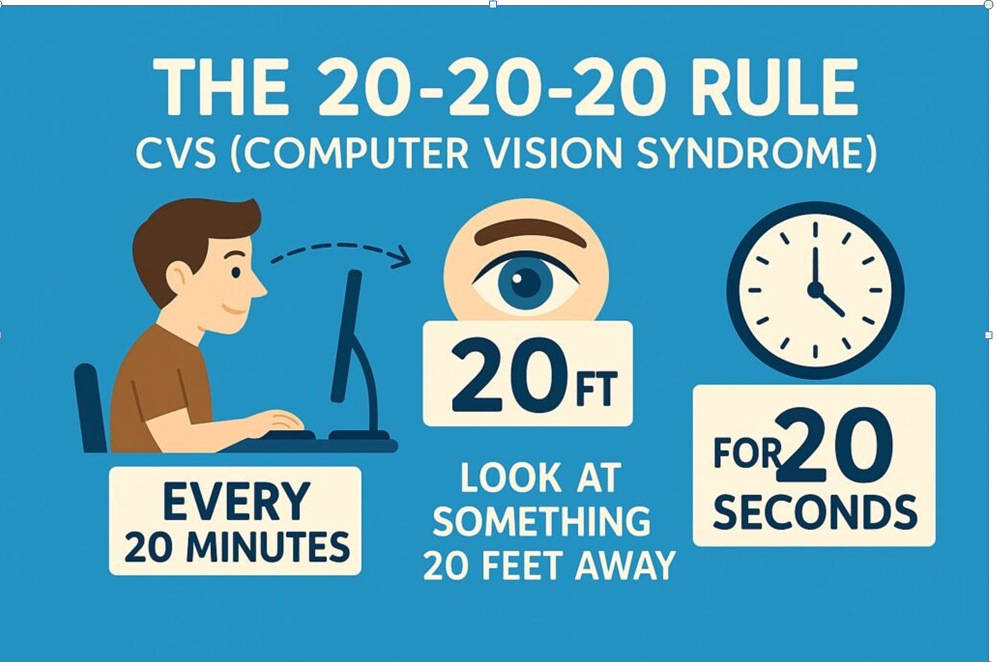
1. Follow to the 20-20-20 Rule
Take a 20-second glance at something 20 feet away every 20 minutes. The muscles in the eyes relax as a result.
2. Blink More Frequently
Blink deliberately to maintain moisture in your eyes.
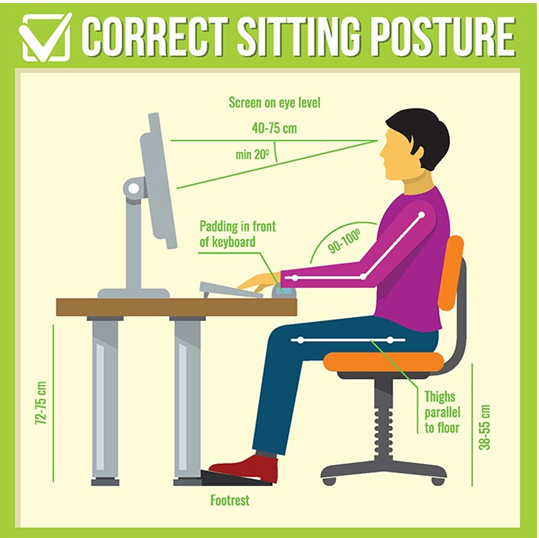
3. Modify the Position of Your Screen
- Keep the screen 20 to 28 inches away.
- Put it just below eye level.
4. Make Lighting Better
To lessen glare, utilize soft background lighting instead of overhead illumination.
5. Make Use of Blue Light Filters
There are settings on digital devices that lessen exposure to blue light, which is particularly helpful at night.
6. Keep Your Posture Correct
Keep your feet flat on the floor and sit with your back supported.
Why Treat CVS with Gobind Eye Care?
Selecting the appropriate hospital is crucial when it comes to eye health. The Best Eye Hospital in Haryana, Gobind Eye Care, provides:
- Skilled and knowledgeable eye specialists
- Innovative diagnostic tools
- Professional advice for computer users
- Complete care for digital eye strain, refractive problems, and dry eyes
- Plans for individualized eyesight care
The facility guarantees that each patient receives the best care possible under the knowledgeable direction of renowned eye surgeon Dr. Bindiya Dhupper.
In the current digital world, computer vision syndrome is becoming more and more of a problem, yet it is totally treatable with the right habits, prompt diagnosis, and professional advice. Taking care of your eyes should be a top priority for everyone, including professionals, seniors, and students. This is especially true given how much time we spend in front of screens.
Visit Gobind Eye Care, the Best Eye Hospital in Haryana, for a thorough examination and professional treatment from experts like Dr. Bindiya Dhupper if you have symptoms like eye strain, dry eyes, or blurred vision.