

By Dr. Bindiya Dhupper – Eye Specialist, Gobind Eye Care
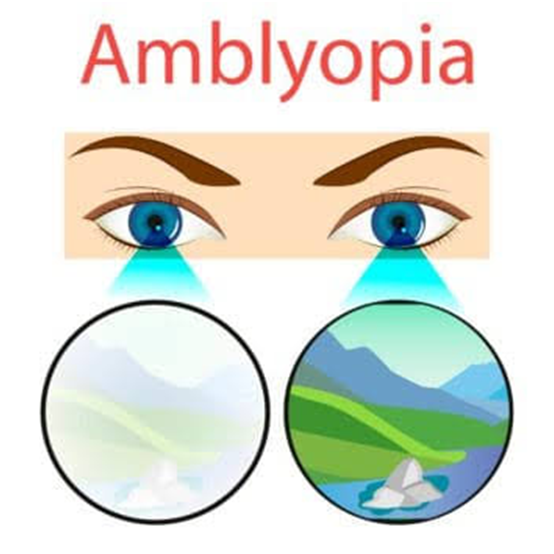
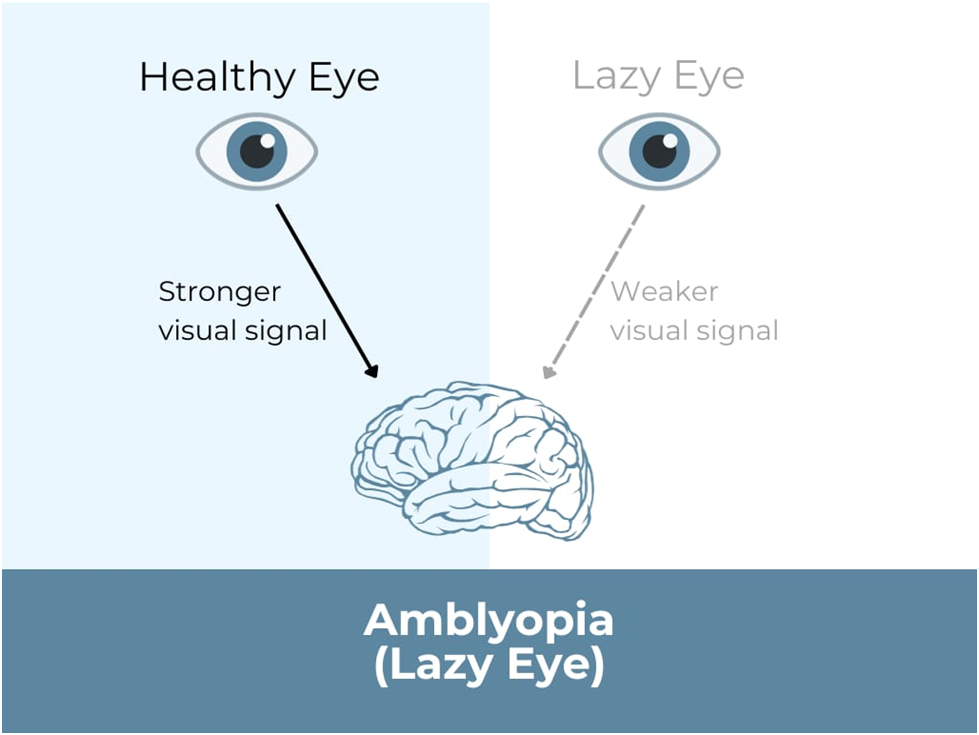
Amblyopia—commonly known as “lazy eye”—is one of the most common causes of vision problems in children. It occurs when the brain favors one eye over the other, leading to poor vision development in the affected eye. If not detected early, amblyopia can cause permanent vision loss.
As an experienced eye specialist at Gobind Eye Care, Dr. Bindiya Dhupper emphasizes that early detection is key. The earlier amblyopia is identified, the more effective the treatment—and the better the chances of restoring normal vision.
What Is Amblyopia?
Amblyopia is a childhood vision disorder where one eye does not develop proper visual clarity. It typically affects children between birth and age seven, but the condition often goes unnoticed until a parent or doctor spots warning signs.
The brain and eyes must work together for normal vision. When one eye is weaker, the brain starts relying on the stronger eye, causing the weaker eye to lose visual function over time.
Why Early Detection Matters
A child’s brain is highly adaptable during the first several years of life. This flexibility—known as “neuroplasticity”—allows amblyopia treatment to be highly successful during early childhood.
However, if amblyopia goes untreated, the brain may permanently shut down signals from the weaker eye, making treatment far more challenging later in life.
Early diagnosis ensures:
- Better treatment outcomes
- Stronger visual development
- Improved coordination and depth perception
- Reduced risk of long-term vision complications
Early Signs of Amblyopia Parents Should Never Ignore
Amblyopia can be tricky to detect because children often do not complain of vision problems. Many assume their vision is normal because they don’t know any different.
Here are the key early signs every parent should watch for:
1. Constant Squinting or Closing One Eye
Children with amblyopia may squint or keep one eye closed to improve focus. This is often more noticeable in bright light.
2. Poor Depth Perception
Your child may struggle with tasks requiring hand–eye coordination, such as:
- Catching a ball
- Climbing stairs
- Picking up small objects
- Pouring liquids without spilling
3. Misaligned Eyes (Strabismus)
If your child’s eyes appear crossed or wandering, one eye may be weaker than the other. Strabismus is one of the most common causes of amblyopia.
4. Frequent Head Tilting
If a child consistently tilts their head to one side, they may be compensating for weaker vision in one eye.
5. Difficulty Reading or Tracking Objects
Your child may:
- Lose their place while reading
- Have trouble following moving objects
- Avoid activities like coloring or puzzles
These behaviors suggest the eyes are not working together properly.
6. Complaints of Eye Strain or Headaches
Even though younger children may not articulate discomfort clearly, they may show signs such as:
- Rubbing their eyes often
- Holding objects very close to their face
Becoming irritable during visual tasks
What Causes Amblyopia in Children?
Amblyopia can develop due to various underlying conditions, including:
1. Strabismic Amblyopia
Caused by misaligned eyes where the brain suppresses the image from the weaker or deviating eye.
2. Refractive Amblyopia
Occurs when there is a significant difference in prescription between the two eyes—such as high farsightedness, nearsightedness, or astigmatism.
3. Deprivation Amblyopia
Happens when something blocks visual input to the eye, such as congenital cataract or droopy eyelid (ptosis).
Identifying the cause early helps determine the best treatment approach.
How Amblyopia Is Diagnosed
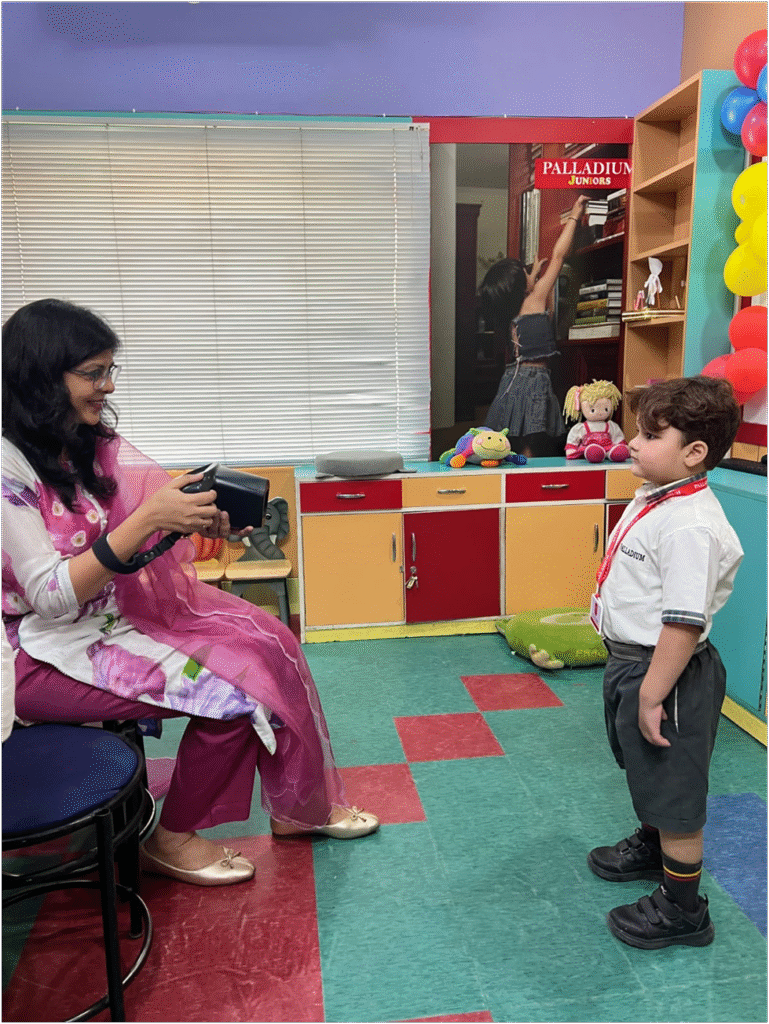
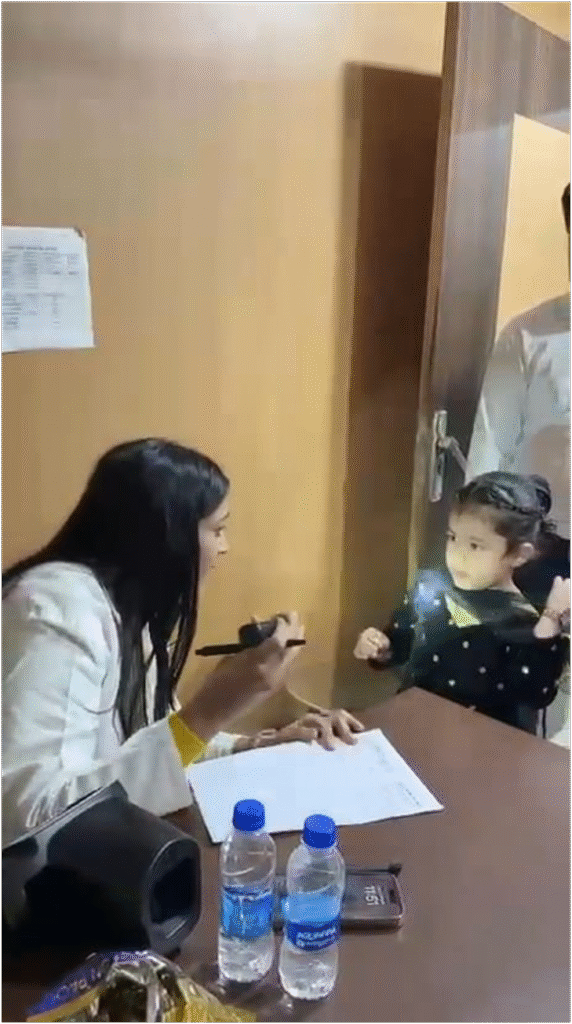
At Gobind Eye Care, Dr. Bindiya Dhupper uses advanced pediatric eye screening tools to diagnose amblyopia accurately. A comprehensive examination may include:
- Visual acuity testing
- Eye alignment tests
- Refraction checks
- Retinal and corneal evaluation
- Screening for refractive errors and eye muscle problems
Effective Amblyopia Treatment Options
Treatment depends on the severity and cause but may include:
1. Corrective Eyeglasses
Used to treat refractive amblyopia by correcting vision differences.
2. Eye Patching
The stronger eye is covered for a few hours daily to encourage the weaker eye to work harder.
3. Atropine Eye Drops
Blur the stronger eye to promote the use of the weaker one.
4. Vision Therapy Exercises
Special exercises help strengthen the connection between the eye and brain.
5. Treating Underlying Issues
Removing cataracts or correcting ptosis helps restore normal visual development.
When Should Parents Seek Help?
Parents should schedule an eye exam if their child:
- Shows ANY of the warning signs above
- Has a family history of amblyopia or strabismus
- Has never had an eye exam by age 3
- Was born premature or with low birth weight
Early eye screening can prevent lifelong vision problems.
Children should have their first comprehensive eye exam at 6 months old, another at age 3, and then annually once they start school We at Gobind Eye Care have taken initiative to prevent amblyopia in children by conducting screening eye camps for refractive errors in schools at an early stage.
Amblyopia is highly treatable—but only when caught early.
With timely diagnosis and expert care, children can achieve normal or near-normal vision.
Dr. Bindiya Dhupper, a trusted eye specialist at Gobind Eye Care, provides comprehensive pediatric eye evaluations and customized treatment plans to support healthy visual development.
Also Read- The Science Behind Phacoemulsification: How Ultrasound Removes Cataracts