
In today’s digital world, where screens dominate our daily routines, Dry Eye Disease (DED) has quietly become one of the most widespread yet underdiagnosed eye conditions. Millions of people experience discomfort, irritation, and blurry vision every day without realizing that these are signs of dry eyes.
At leading eye care center like Gobind Eye Care, experts are seeing a steady rise in patients seeking help for dry eye symptoms. According to renowned ophthalmologist Dr. S. S. Khurana, one of the best eye doctors in India, dry eyes are no longer limited to older adults — they’re now affecting younger generations, especially those who spend extended hours on digital devices.
But how common is this condition really? Let’s explore some surprising facts, statistics, and expert insights into the growing prevalence of Dry Eye Disease, along with what you can do to protect your vision.
What Is Dry Eye Disease?
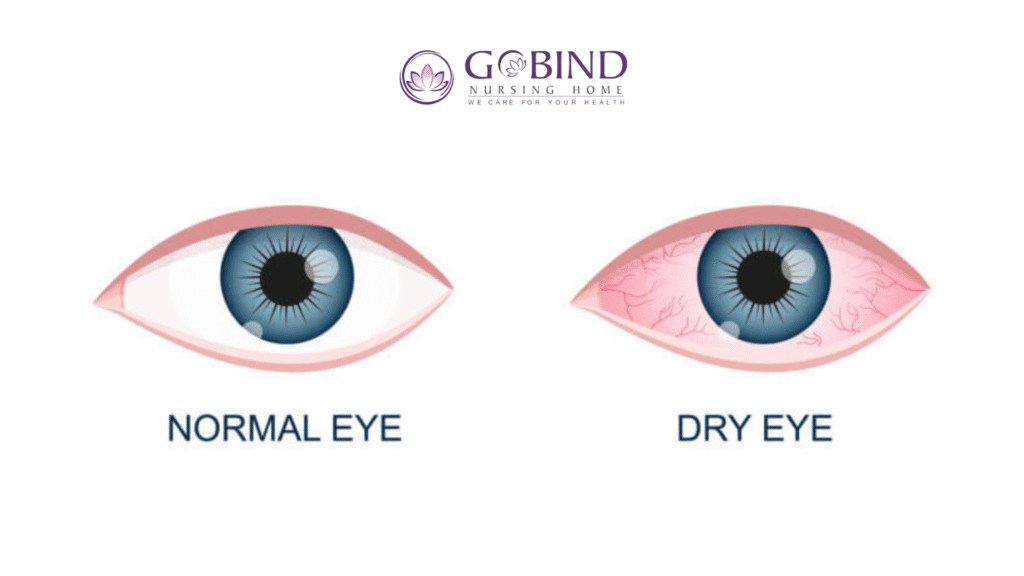
Dry Eye Disease (DED) occurs when your eyes fail to produce enough tears or when the tears evaporate too quickly. Tears are essential for keeping the eye’s surface moist, clean, and comfortable. The tear film, which consists of oil, water, and mucus layers, ensures the eyes stay lubricated and protected.
When this tear film becomes unstable, it leads to dryness, burning, irritation, and fluctuating vision — symptoms that can significantly impact quality of life.
Dr. S. S. Khurana explains that the condition can be temporary or chronic, depending on the underlying cause. Factors like aging, hormonal changes, environmental conditions, autoimmune disorders, and excessive screen exposure all play a role in the increasing number of cases seen at every major eye hospital.
How Common Is Dry Eye Disease Globally?
The numbers are startling. Studies show that Dry Eye Disease affects around 350 million people globally, making it one of the most prevalent ocular surface disorders.
- Worldwide prevalence: Between 5% to 50% of the global population is estimated to experience dry eye symptoms at some point in life.
- Gender differences: Women are more likely to develop dry eyes, especially post-menopause, due to hormonal fluctuations.
- Age factor: People over 50 are at a higher risk, though cases among teenagers and young adults are rising due to excessive screen exposure.
- Digital impact: More than 70% of individuals who use digital devices for over 6 hours daily report symptoms related to eye dryness and fatigue.
Dry Eye Disease in India: A Growing Concern
In India, the prevalence of dry eyes has reached epidemic proportions, with studies estimating that one in every five individuals experiences symptoms. This number continues to rise due to increased screen time, air pollution, and urban living conditions.
Eye care experts across the country, including those at Gobind Eye Care, have noted a growing number of younger patients visiting hospitals with complaints of persistent dryness, irritation, and blurred vision — issues once associated mainly with older adults.
Key Indian Statistics:
- The All India Ophthalmological Society reports that approximately 32% of urban adults suffer from some form of dry eye symptoms.
- Digital Eye Strain (DES) contributes to nearly 60% of new cases reported in cities.
- Women aged 40–60 years form a large proportion of chronic dry eye patients.
- In rural areas, environmental factors like dust and sun exposure are major triggers.
Why Are Dry Eyes Becoming More Common?
Experts at Gobind Eye Care identify several modern habits and environmental factors driving this surge:
- Excessive Screen Time:
Smartphones, computers, and tablets reduce blinking frequency, causing tears to evaporate faster. - Air Conditioning and Pollution:
Dry, cool air indoors and rising outdoor pollution contribute to ocular surface irritation. - Contact Lens Overuse:
Wearing lenses for long hours can disrupt the tear film. - Medications:
Certain antihistamines, antidepressants, and birth control pills can reduce tear production. - Aging and Hormones:
Older adults, particularly women post-menopause, produce fewer tears. - Autoimmune Disorders:
Conditions like rheumatoid arthritis and Sjögren’s syndrome can damage tear glands.
Diagnosis: How Specialists Identify Dry Eyes
At modern facilities like Gobind Eye Care, diagnosis goes beyond simple observation. Specialists like Dr. S. S. Khurana, known for his expertise and precision, use advanced diagnostic tools to measure tear quality and eye surface stability.
Common diagnostic tests include:
- Tear Break-Up Time (TBUT): Measures how long tears stay stable before evaporating.
- Schirmer’s Test: Determines the amount of tear production.
- Meibography: Examines the oil-producing glands of the eyelids.
- Osmolarity Test: Measures tear salt concentration, a key indicator of dry eye severity.
These tests help identify whether the dryness is temporary or chronic, allowing the eyes doctor to create a customized treatment plan for lasting relief.
Treatment and Management
The good news is that dry eyes can be managed effectively with the right treatment and professional guidance. At Gobind Eye Care, one of the leading eyes hospitals, treatment options include both non-invasive and advanced medical approaches.
Common Treatments:
- Artificial Tears: Preservative-free lubricating drops provide immediate relief.
- Prescription Medications: Cyclosporine or lifitegrast drops reduce inflammation and stimulate tear production.
- Punctal Plugs: Tiny devices inserted into tear ducts to slow down drainage.
- Intense Pulsed Light (IPL) Therapy: Improves the function of oil glands in the eyelids.
- Nutritional Therapy: Diet rich in Omega-3s can improve tear quality.
- Surgical Solutions: For severe cases, advanced procedures performed by the surgeons help restore tear flow and comfort.
How to Prevent Dry Eyes
While some causes of dry eyes can’t be avoided, simple preventive measures can make a big difference:
- Follow the 20-20-20 rule: every 20 minutes, look at something 20 feet away for 20 seconds.
- Stay hydrated and maintain a healthy diet rich in omega-3 fatty acids.
- Use humidifiers in air-conditioned or heated rooms.
- Avoid direct airflow from fans or AC vents toward your face.
- Wear protective sunglasses outdoors.
- Schedule regular eye checkups with specialists at Gobind Eye Care.

When to Visit a Dry Eyes Hospital
If you experience persistent dryness, redness, or a gritty feeling in your eyes, don’t ignore it. Chronic dry eyes can lead to infections, corneal damage, or vision changes. Visiting a reputable Eye Care centre like Gobind Eye Care ensures early detection and effective management.
Conclusion
Dry Eye Disease is far more common than most people realize — and its prevalence is growing rapidly in today’s screen-focused lifestyle. With millions affected globally, it’s crucial to take symptoms seriously and seek professional care early.
Experts like Dr. S. S. Khurana are committed to offering cutting-edge diagnostic tools and personalized treatments that restore comfort, vision, and quality of life.
Your eyes are precious — don’t let dryness go untreated. Consult the best eye doctor today and take the first step toward lasting relief and healthier vision.