
Glaucoma is a chronic eye condition that can lead to irreversible vision loss if not treated on time. The primary goal of glaucoma treatment is to lower intraocular pressure (IOP) and prevent damage to the optic nerve. In most cases, medications are the first line of treatment.
At Gobind Eye Care Centre, Dr. Ripan Kaur Kamra, an experienced eye specialist, emphasizes early diagnosis and correct medication use to effectively manage glaucoma and preserve eyesight.
What Is Glaucoma?
Glaucoma is a group of eye diseases that damage the optic nerve, often due to increased eye pressure. It usually develops slowly and without early symptoms, which is why it is often called the “silent thief of sight.”
Regular eye check-ups are essential for early detection and timely treatment.
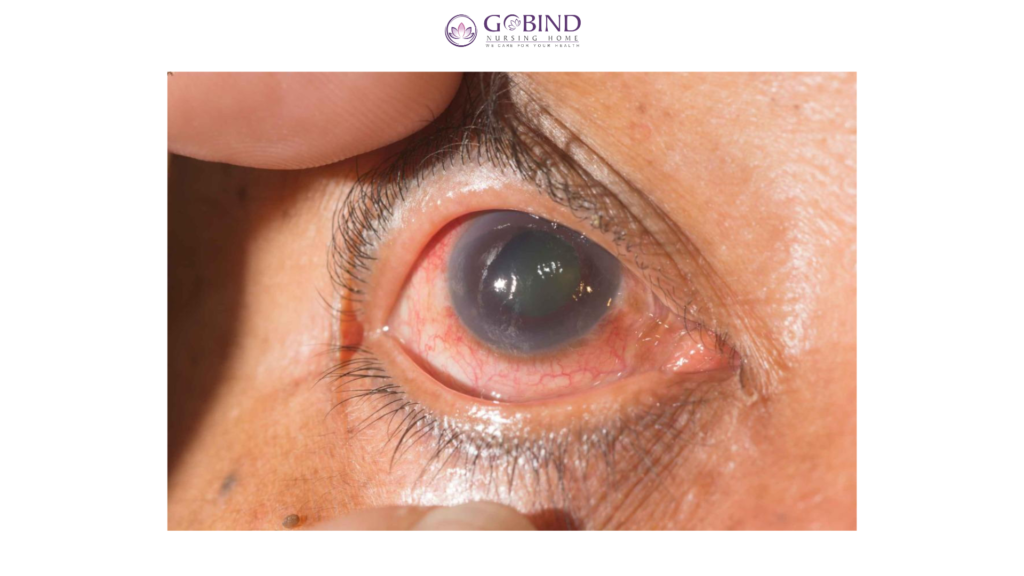
Role of Medications in Glaucoma Treatment
Medications help control glaucoma by:
- Reducing the production of aqueous humor (eye fluid)
- Improving drainage of fluid from the eye
- Lowering intraocular pressure (IOP)
According to Dr. Ripan Kaur Kamra, glaucoma medications do not cure the disease but slow or stop further vision loss when used correctly and consistently.
Types of Medications Used in Glaucoma
1. Prostaglandin Analogues
These are commonly prescribed as first-line treatment.
How they work:
- Increase fluid outflow from the eye
Benefits:
- Once-daily dosing
- Highly effective in lowering IOP
Possible side effects:
- Mild redness
- Darkening of eyelashes or iris
2. Beta Blockers
Beta blockers reduce the amount of fluid produced in the eye.
How they work:
- Decrease aqueous humor production
Considerations:
- Not suitable for patients with asthma, heart problems, or low blood pressure
- Usually taken once or twice daily
3. Alpha Agonists
These medications both reduce fluid production and increase drainage.
Benefits:
- Effective in combination therapy
- Can be used when other medications are insufficient
Side effects may include:
- Dry mouth
- Eye irritation
- Fatigue
4. Carbonic Anhydrase Inhibitors
Available as eye drops or oral tablets.
How they work:
- Reduce fluid production inside the eye
Usage:
- Often prescribed when first-line drugs are not enough
5. Combination Eye Drops
Combination medications contain two drugs in one bottle.
Advantages:
- Fewer eye drops
- Better patient compliance
- Effective pressure control
Dr. Ripan Kaur Kamra often recommends combination therapy for patients who need stronger pressure control.
Importance of Proper Medication Use
To achieve the best results from glaucoma medications:
- Use eye drops exactly as prescribed
- Do not skip doses
- Maintain proper hygiene while applying drops
- Inform your doctor about any side effects
Stopping medication without medical advice can lead to permanent vision loss.
Regular Follow-Ups Are Essential
Glaucoma requires lifelong monitoring. At Gobind Eye Care Centre, patients receive:
- Regular eye pressure checks
- Optic nerve evaluation
- Visual field testing
Dr. Ripan Kaur Kamra ensures personalized treatment plans based on disease severity and patient response.
When Medications Are Not Enough
If medications fail to control eye pressure, other treatment options such as:
- Laser therapy
- Surgical procedures
may be recommended to prevent further vision damage.
Why Choose Gobind Eye Care Centre?
- Expert care by Dr. Ripan Kaur Kamra
- Advanced diagnostic technology
- Personalized glaucoma management
- Focus on long-term vision preservation
Medications play a crucial role in the management of glaucoma and are often the first and most effective step in treatment. Early diagnosis, correct medication use, and regular follow-ups can help prevent vision loss.
If you or a loved one has been diagnosed with glaucoma, consult Dr. Ripan Kaur Kamra at Gobind Eye Care Centre for expert guidance and comprehensive eye care.