
Mobile phones have revolutionized family life, but their impact on children’s eye health demands parental awareness. Excessive use poses risks like myopia and eye strain, yet simple strategies can mitigate harm effectively.
Screen Time Basics
Children now average 7 hours daily on screens by their teens, starting as young as 6 months with parents’ devices. This close-range focus disrupts natural eye development, reducing blink rates by 60% and drying tear films.
Prolonged exposure correlates with myopia, where eyes elongate, blurring distant vision permanently.
Key Eye Health Risks
Digital Eye Strain
Staring at small screens fatigues focusing muscles, causing headaches, blurred vision, and discomfort. Kids blink less during games or videos, leading to irritation and foreign-body sensations.
Myopia Progression
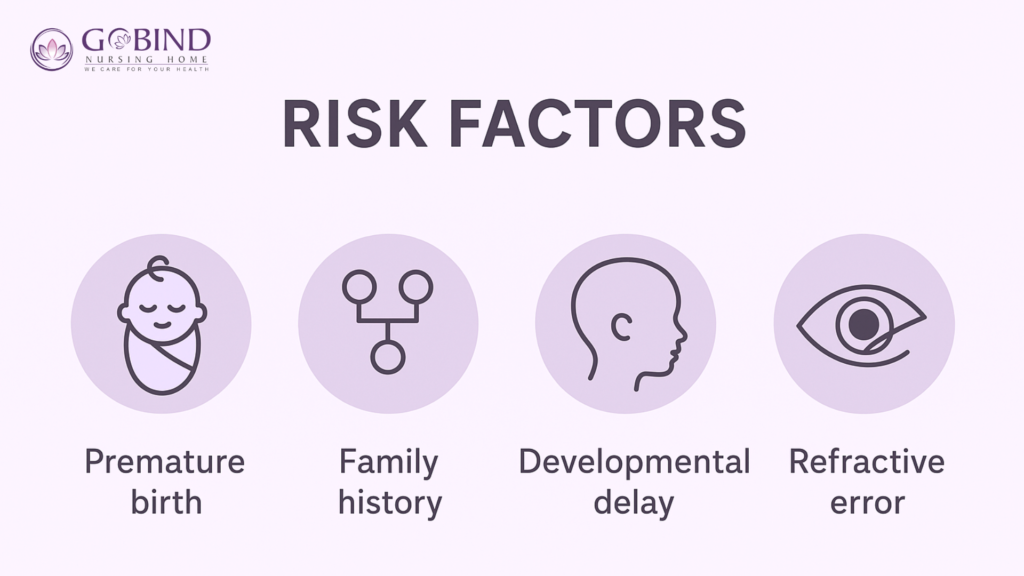
Near work from phones triples myopia risk; kids over 3 hours daily face fourfold odds. Indoor-only screen time limits outdoor light needed for healthy growth.
Dry Eye Syndrome
Reduced blinking evaporates tears faster, sparking burning, redness, and fluctuating sight. Small fonts demand closer viewing, worsening accommodation strain.
Sleep Disruption
Blue-violet light suppresses melatonin, delaying bedtime and impairing eye recovery overnight. Evening use shifts circadian rhythms, compounding fatigue.
Focus Flexibility Loss
Constant close focus hinders distance adjustment temporarily, though reversible with breaks. Chronic cases strain vergence systems in growing eyes.
Age-Specific Guidelines
Under 2 years: Avoid solo screen time; opt for interactive video calls only. Screens before 18 months hinder visual maturation.
Ages 2-5: Limit to 1 hour daily, supervised, with large screens at arm’s length. Co-viewing teaches healthy habits.
School-age: Cap recreational use at 2 hours beyond homework. Teens need outdoor balancing.
Protective Strategies
Follow 20-20-20-2 Rule
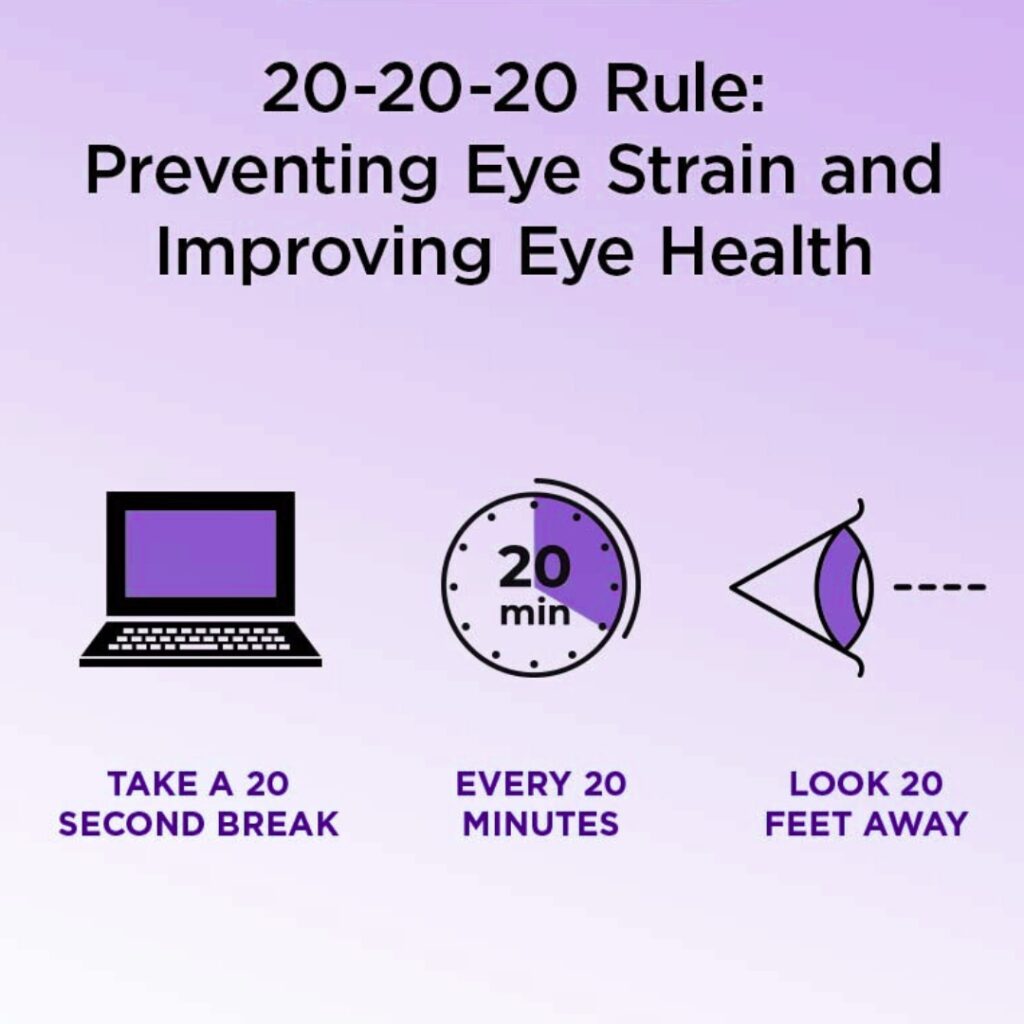
Every 20 minutes, look 20 feet away for 20 seconds, blink 20 times; aim for 2 hours outdoors daily. Timers enforce this for distracted kids.
Optimize Device Setup
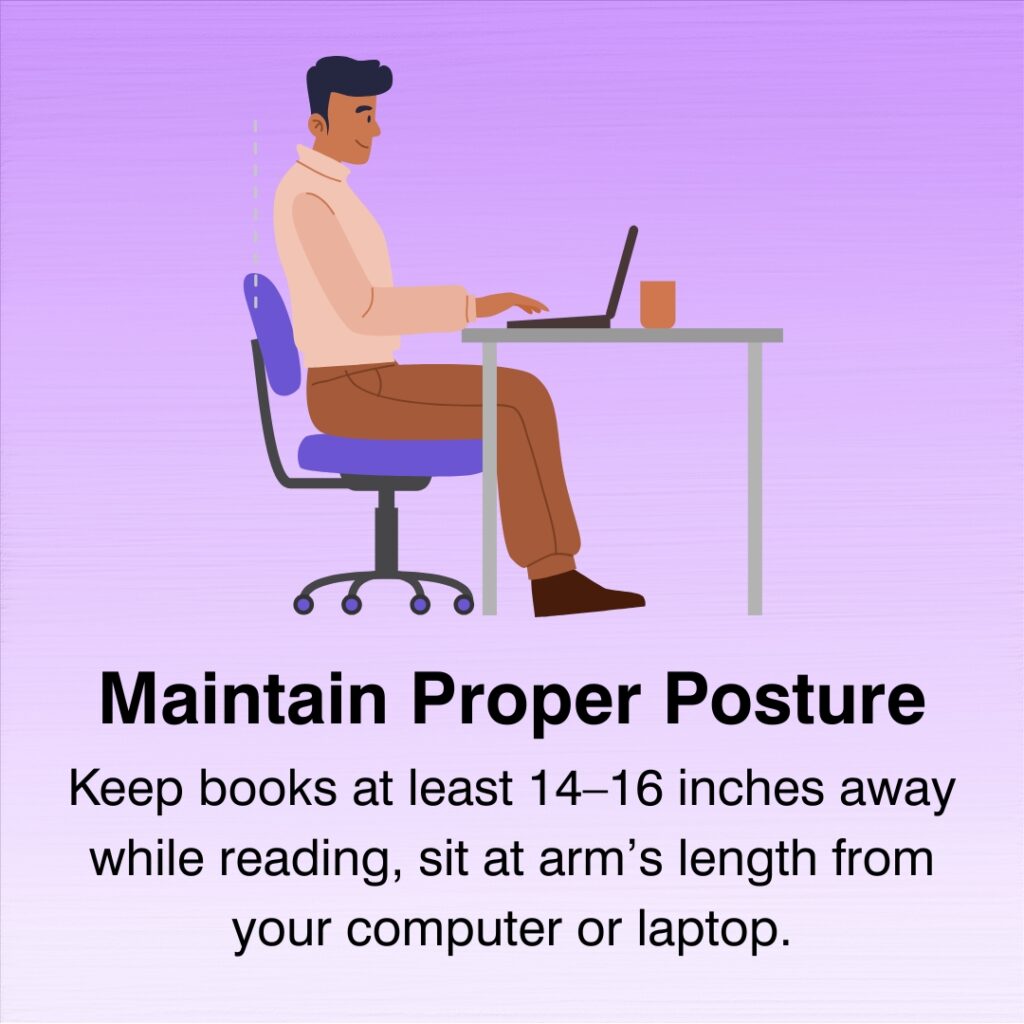
Position phones 1 foot away, laptops 2 feet, TVs 10 feet; angle slightly downward. Reduce brightness, eliminate glare with matte covers.
Promote Outdoor Play
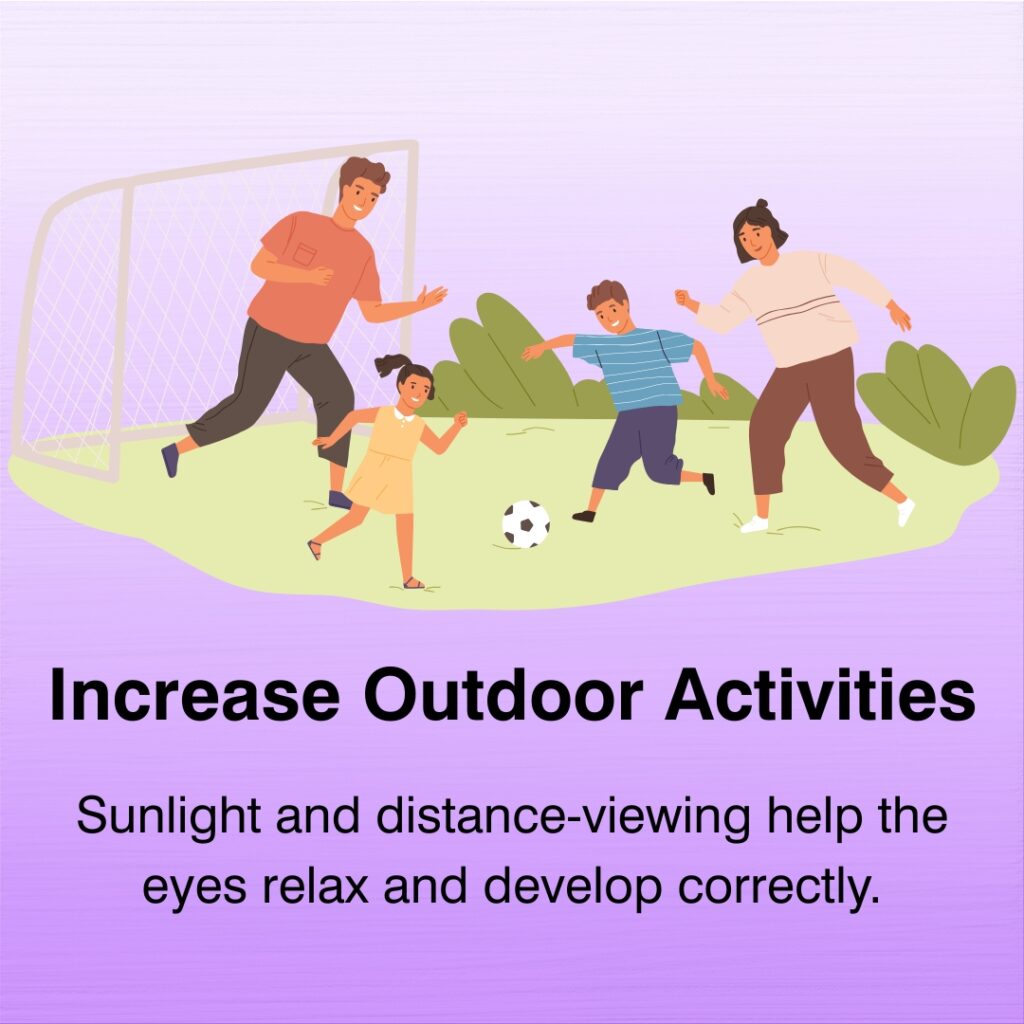
Natural light curbs myopia; 2+ hours daily outdoors protects better than apps. Combine with screen limits for holistic health.
Night Mode and Filters
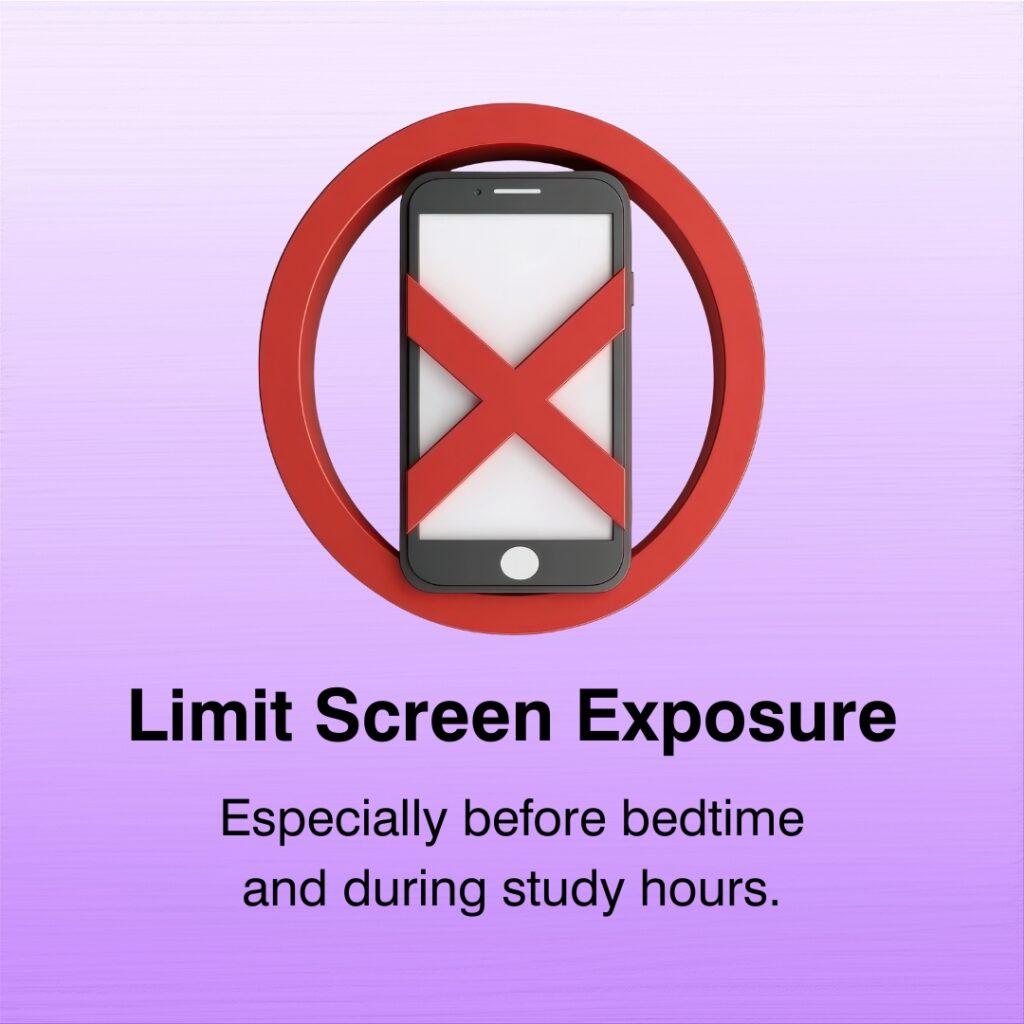
Activate blue-light reducers post-sunset; no screens 1 hour before bed. Prioritize sleep hygiene over “blue-blocker” glasses lacking evidence.
Blink and Hydration Reminders
Teach conscious blinking; omega-3 diets and humidifiers aid tear production. Hydrate to combat dryness.
Routine Eye Exams Matter
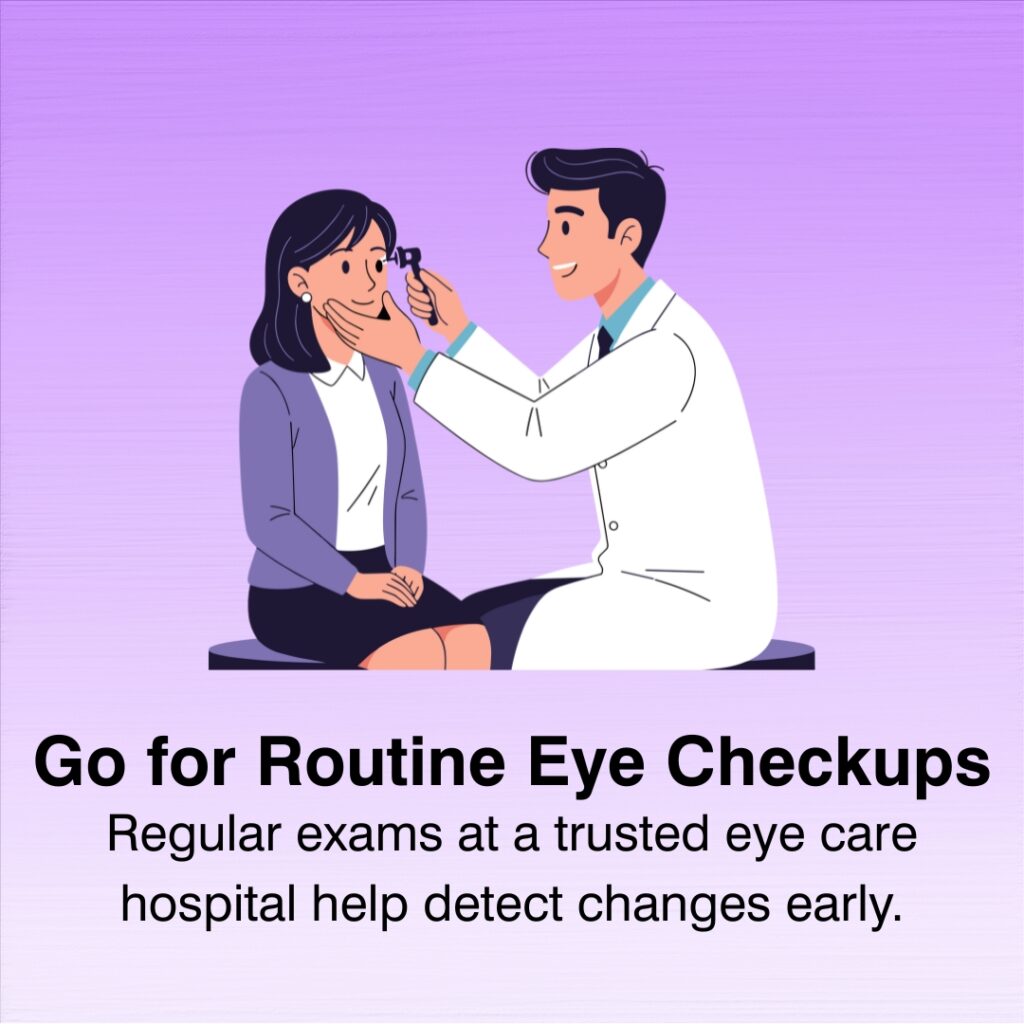
Annual pediatric screenings catch issues early, but comprehensive optometrist visits assess structure beyond acuity. Symptoms like persistent headaches warrant immediate checks.
In Hisar, Gobind Eye Care—the best eye hospital in Hisar—offers child-specific diagnostics for myopia control and strain relief. Their experts provide tailored plans, from orthokeratology to lifestyle tweaks.

Comparison of Risks and Fixes
| Risk | Primary Cause | Prevention Tip | Benefit |
| Eye Strain | Reduced Blinking | 20-20-20 Breaks | Relieves Fatigue |
| Myopia | Near Focus/Indoor Time | 2 Hours Outdoors Daily | Slows Progression |
| Dry Eyes | Tear Evaporation | Arm’s Length + Hydration | Restores Comfort |
| Sleep Issues | Blue Light | Night Mode, No Evening Screens | Improves Recovery |
| Focus Loss | Prolonged Close Work | Larger Screens/Distance Rules | Enhances Flexibility |
Parental Action Checklist
- Set device-free zones (meals, bedrooms).
- Model balanced habits yourself.
- Use apps tracking recreational time only.
- Schedule exams at Gobind Eye Care, top eye hospital in Hisar.
- Encourage sports over sedentary gaming.
Also Read