
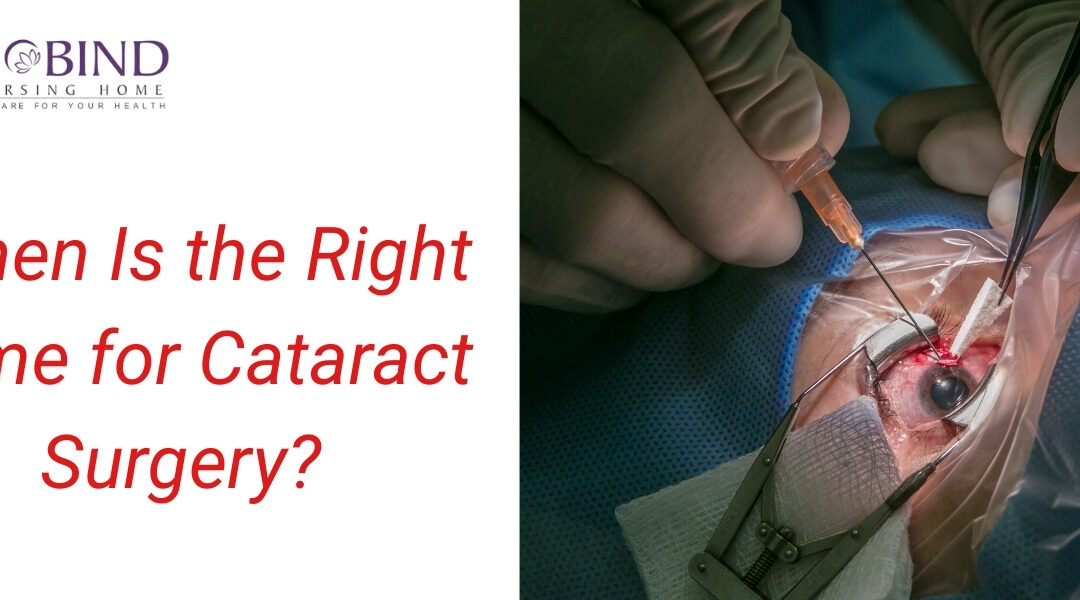
A Complete Guide to Understanding the Best time to Choose Surgery.
Cataracts are one of the most common age-related eye conditions. They affect millions of people worldwide each year. Cataracts start small and may not disrupt your vision at first. However, there comes a time when surgery is the best and only effective solution. But how can you tell when it’s the right moment for cataract surgery? Many people are unclear about the timing because cataracts develop slowly and often without pain.
This detailed guide will help you understand when to think about cataract surgery, the signs you shouldn’t ignore, and how an experienced eye specialist like Dr. Bindiya Dhupper (MBBS, MS Ophthalmology, Cornea Fellow, Cornea and Cataract Surgeon) can provide personalized eye care. Facilities like Gobind Nursing Home offer thorough cataract evaluation and treatment to ensure safe outcomes.
Let’s explore everything you need to know before deciding on cataract surgery.
What Are Cataracts and Why Do They Occur?
A cataract is the clouding of the natural lens inside the eye. A clouded lens prevents light from passing through clearly. This leads to blurry, dull, or distorted vision. Cataracts develop gradually due to:
– Age-related changes
– Genetics
– Diabetes
– Long-term use of medication (especially steroids)
– Eye injuries
– Excessive sun exposure
– Smoking
While cataracts aren’t dangerous in their early stages, they worsen over time and eventually interfere with daily activities.
Do Cataracts Need to Be Removed Immediately?
The simple answer is no. Cataract surgery isn’t needed the moment a cataract is detected. Many people live comfortably with mild cataracts for years. The right time for surgery depends on:
– Your lifestyle
– The severity of your symptoms
– How much the cataract affects your work, reading, or mobility
– Your visual needs
Therefore, regular checkups with an eye specialist are essential.
Signs That It May Be Time for Cataract Surgery
Here are common symptoms that may indicate the need for cataract surgery.
1. Your Vision Is Interfering With Daily Activities
If cloudy or blurry vision makes it difficult to:
– Read
– Drive
– Work on a computer
– Recognize faces
– Watch television
– Perform household tasks
it might be time to consider cataract removal. When your vision starts disrupting daily routines, delaying surgery can make life unnecessarily difficult.
2. Difficulty Driving—Especially at Night
Driving at night can be especially hard for people with cataracts because of:
– Glare from headlights
– Halos around lights
– Poor contrast sensitivity
These problems not only cause discomfort but also increase the risk of accidents. If night vision has become unsafe, it’s an important sign that cataract surgery may be needed.
3. Frequent Changes in Your Eyeglass Prescription
As cataracts grow, they can cause rapid changes in your vision. If you need to update your glasses very often but still can’t see clearly, the lens clouding—not the glasses—is the main issue. At this point, cataract surgery is usually more effective than repeatedly changing spectacles.
4. Colors Appear Faded or Yellowish
Cataracts make the natural lens yellowish, which alters how light enters the eye and affects color perception. If you notice:
– Colors appearing dull
– Whites looking yellowish
– Difficulty distinguishing shades
your cataract may be getting worse and could need surgical intervention soon.
5. Double Vision or Ghost Images
Some people experience monocular double vision, which means double images appear even when one eye is closed. This is a classic sign of lens changes caused by cataracts. If this symptom continues, surgery may be needed to restore clarity.
6. Your Eye Doctor Recommends It
A trained ophthalmologist evaluates not just your symptoms but also:
– Cataract density
– Retinal health
– Corneal clarity
– Eye pressure
– Overall eye structure
When an experienced eye specialist like Dr. Bindiya Dhupper recommends surgery based on clinical findings, it means the cataract has reached a point where removal is the best option for your eye care.
Is There a “Best Age” for Cataract Surgery?
There’s no specific age for cataract surgery. People undergo the procedure from their 40s to their 80s or even older. The right time is when:
– Your vision is compromised
– You cannot perform daily tasks comfortably
– The cataract has become visually significant
Even if you’re older, cataract surgery can be safely performed with modern technology and expert care available at Gobind Nursing Home.
Do You Have to Wait Until the Cataract Is “Mature”?
This is a common myth. Modern cataract surgery doesn’t require waiting for cataracts to become “ripe” or “mature.” Delaying too long can actually make the cataract harder to remove and increase surgical risks. The right time is when your vision and lifestyle start to suffer, not when the cataract becomes very dense.
Types of Tests That Help Determine the Right Time
When you visit an eye specialist, several tests help determine whether surgery is necessary:
– Visual acuity testing
– Slit-lamp examination
– Dilated eye exam
– Eye pressure measurement
How Cataract Surgery Improves Vision
Cataract surgery is one of the safest and most successful procedures in modern medicine. It replaces the cloudy natural lens with a clear artificial lens (IOL).
Benefits include:
– Clear and sharp vision
– Improved colors
– Better night vision
– Less dependence on glasses (especially with premium IOLs)
– Better contrast sensitivity
– Enhanced quality of life
Most people see remarkable improvement within a few days after surgery.
When Should You Not Delay Cataract Surgery?
In some cases, timely surgery is urgent.
These include:
1. When cataracts interfere with examining the retina
Dense cataracts can block the doctor’s view of the retina, making it impossible to monitor diabetic eye disease or retinal problems.
2. If cataracts increase eye pressure
Some cataracts can lead to secondary glaucoma.
3. When cataracts severely affect work
If your job requires sharp vision—like driving, teaching, graphic design, or computer work—it’s not wise to wait too long.
4. When you have already lost significant vision
Delaying further can impact your safety in day-to-day life.
In these situations, the eye specialist will strongly recommend timely cataract removal.
Why Consulting the Right Specialist Matters
Choosing the right surgeon significantly influences your outcome. An experienced ophthalmologist like Dr. Bindiya Dhupper brings:
– Expertise in modern cataract techniques
– Precision in pre-operative evaluation
– Personalized eye care based on your lifestyle
– Clear explanations of IOL options
– A smooth and safe surgical experience
Her training and expertise ensure that patients receive thorough assessment and guidance throughout the cataract journey. For patients visiting Gobind Nursing Home, access to advanced diagnostic equipment and systematic care makes the entire process comfortable and reassuring.
Final Decision: When Is the Right Time for Cataract Surgery?
You are ready for cataract surgery when:
– Your vision affects daily tasks
– You feel unsafe while driving
– Colors seem dull or faded
– Glare and halos disturb your comfort
– Your glasses no longer help
– An eye specialist recommends it based on examination
– The cataract prevents clear retinal evaluation
In most cases, the right timing is based on how much your vision impacts your life and safety, not on the maturity of the cataract.
Conclusion
Cataract surgery is a life-changing procedure that restores clarity, confidence, and comfort to everyday living. Knowing when to undergo the procedure is as important as choosing the right surgeon. By paying attention to your symptoms and consulting an experienced eye specialist like Dr. Bindiya Dhupper, you can make the best decision for your visual health. Hospitals like Gobind Nursing Home provide advanced eye care, modern diagnostic facilities, and trusted surgical expertise, ensuring that your vision is in safe hands. If you or your loved ones notice signs of worsening eyesight, don’t wait. A timely consultation can preserve your vision and enhance your quality of life.
Also Read:- Retinopathy of Prematurity (ROP): Causes, Symptoms, Prevention & Treatment