
One of the most exquisitely designed organs in humans is the eye, and a healthy blood supply is essential to its correct operation. There could be dire repercussions if this supply is cut off. Vascular occlusion, a disorder in which blood vessels in the retina get blocked and impair vision either totally or partially, is one such ailment that requires rapid attention. Our skilled eye experts and eye surgeon, Dr. Maneesh Dhupper, offer thorough diagnosis and cutting-edge treatment for a variety of retinal vascular problems, including vascular occlusions, at Gobind Eye Care, the top eye hospital in Hisar. The goal of this blog is to make it easier for you to understand the problem, its warning signals, available treatments, and the significance of getting care as soon as possible.
Vascular Occlusion: What Is It?
For proper operation, the retina—the light-sensitive layer in the back of your eye—needs steady blood flow. There are two primary routes by which blood is supplied:
- The principal artery of the retina,
- The principal vein of the retina.
Vascular occlusion results from the retina not getting enough oxygen when one of these arteries or their branches is stopped. The condition is divided into the following categories based on the blood vessel that is impacted:
1. Occlusion of the Retinal Artery (RAO)
This happens when the retinal artery’s blood supply is abruptly cut off or diminished. There are two kinds of it:
- Occlusion of the Central Retinal Artery (CRAO)
- Occlusion of the Branch Retinal Artery (BRAO)
Due to the potential for abrupt and severe vision loss, CRAO is frequently regarded as an ocular emergency.
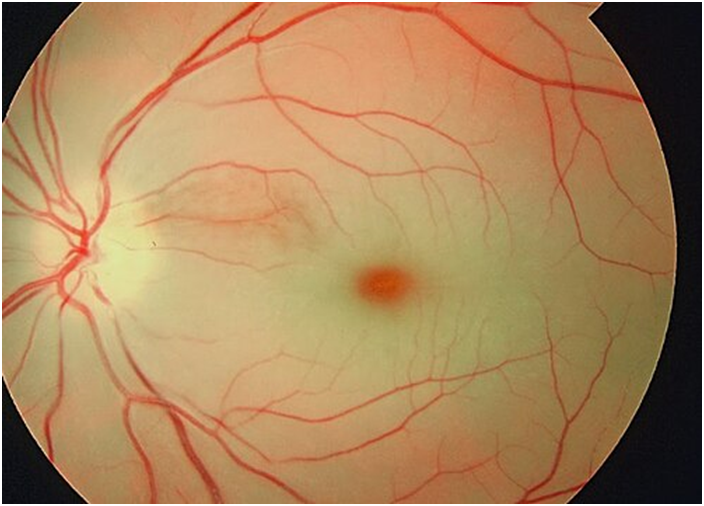
2. Occlusion of the Retinal Vein (RVO)
This occurs when blood and fluid build up in the retina due to a blockage in the retinal vein. Additionally, RVO is categorized into:
- Occlusion of the Central Retinal Vein (CRVO)
- Occlusion of the Branch Retinal Vein (BRVO)
People with systemic health disorders including diabetes and hypertension, as well as elderly folks, are more likely to get RVO.
Risk Factors and Causes
Numerous medical disorders and lifestyle choices can result in vascular blockage. Among the main reasons are:
1. High blood pressure, or hypertension
Blood vessel walls are harmed by high blood pressure, which raises the possibility of obstruction.
2. Diabetes
Diabetes increases a patient’s risk of vein or artery occlusions by affecting blood flow in the retina.
3. Glaucoma
Retinal blood vessels may be compressed by elevated intraocular pressure.
4. Elevated Cholesterol
The accumulation of cholesterol constricts blood arteries and limits healthy blood flow.
5. Heart Conditions
Clots that reach the eye can be caused by heart conditions, irregular heartbeats, and carotid artery issues.
6.A sedentary lifestyle and smoking
Blood vessel injury is more likely as a result of these circumstances.
7. The Age Factor
Vascular occlusions are more common in older persons, particularly those over 50. One of the most reputable eye doctors and surgeons at Gobind Eye Care, Dr Maneesh Dhupper, says that preventing serious eye disorders related to vascular health requires controlling general health and knowing your risk factors.
Vascular occlusion symptoms
Depending on the kind of vascular obstruction, the symptoms can change, but they typically include:
1. Abrupt, painless loss of vision
Particularly with CRAO and CRVO, this is one of the most noticeable signs.
2. Distorted or blurry vision
Vision may appear blurry, confused, or distorted.
3. Floaters or dark areas
Patients may see gray or black patches moving across their field of vision.
4. Peripheral (side) vision loss
Sometimes the side vision deteriorates while the central vision stays clearer.
5. Abrupt loss of visual clarity
Inability to read, concentrate, or identify faces.
See an eye expert right once if you encounter any of these symptoms. Your vision can be saved with prompt treatment.
How to Diagnose Vascular Occlusion
Gobind Eye Care, the top eye hospital in Hisar, uses cutting-edge instruments and technology to diagnose patients. Usually, the assessment consists of:
1. Thorough Eye Examination
Tests for visual acuity and ophthalmoscopy to examine the retina.
2. OCT, or optical coherence tomography
This gives precise cross-sectional pictures of the retina.
3. Angiography using Fundus Fluorescein (FFA)
To monitor retinal blood flow, a unique dye is injected into the bloodstream.
4. Checking Intraocular Pressure (IOP)
To eliminate dangers associated with glaucoma.
5. Blood Examinations
Can determine underlying problems such as blood sugar, coagulation abnormalities, and cholesterol. Patients obtain rapid and precise diagnoses, which are crucial for vision restoration, thanks to Dr. Maneesh Dhupper’s experience and the most recent diagnostic technologies.
Options for Vascular Occlusion Treatment
Reducing edema, increasing blood flow, and protecting the retina are all part of treating vascular occlusion. The course of treatment differs depending on whether the patient has RVO or RAO.
1. Retinal Artery Occlusion (RAO) treatment
RAO is regarded as a medical emergency. Retinal tissue can be protected from irreversible harm with prompt intervention within the golden time period of 2-4 hours.
Among the methods of treatment are:
- massage of the eyes to try to clear the clogged artery
- using drugs to reduce intraocular pressure.
- inhaling a combination of oxygen and carbon dioxide (carbogen treatment).
- therapy with hyperbaric oxygen in some situations.
- treatment of systemic conditions like heart problems and hypertension.
2. Retinal Vein Occlusion (RVO) Treatment
Macular oedema, the primary symptom of RVO, needs to be quickly treated.
Injections of Anti-VEGF
These injections enhance vision and lessen oedema. They are some of the best therapies out there.
Injections of Steroids
Used when there is chronic swelling or severe inflammation.
Photocoagulation with a laser
Beneficial in stopping more bleeding and correcting aberrant blood vessel development.
Control of Systemic Health
Controlling blood pressure, cholesterol, and diabetes is essential to preventing recurrence.
The Significance of Early Treatment
Vision loss may become irreversible after the retina is harmed by a lack of blood supply. For this reason, prompt detection and professional care from a qualified retina specialist or eye surgeon are crucial.
The strategy at Gobind Eye Care is centered on:
- Quick and precise diagnosis
- Tailored treatment regimens
- Utilising cutting-edge technologies for retinal care
- Long-term care to stop recurrence
Patients receive the best eye care available in Hisar thanks to the expertise of Dr. Maneesh Dhupper and a state-of-the-art facility.
How to Lower the Risk of Vascular Occlusion via Prevention
Many risk factors can be managed with lifestyle changes, even though some causes cannot be prevented:
- Keep your blood pressure within normal limits.
- Control your diabetes
- Lower cholesterol with a healthy diet and regular activity
- Give up smoking
- Continue to be active
- Get frequent eye exams
- If you have heart-related conditions, heed your doctor’s recommendations.
At a specialised eye hospital like Gobind Eye Care, routine retinal examinations can help identify early symptoms and avoid serious issues.
Why Opt for Gobind Eye Care?
Gobind Eye Care is regarded as the top eye hospital in Hisar if you need professional eye care, a precise diagnosis, and top-notch treatment for vascular occlusion or any other retinal problem.
What makes us unique:
- Skilled and knowledgeable eye specialists
- Innovative diagnostic tools
- Treatment regimens centred on the retina
- Dr Maneesh Dhupper is a very skilled eye surgeon.
- Long-term monitoring and patient-centred care
- Contemporary infrastructure with all necessary amenities
We are dedicated to providing safe, efficient, and timely eye treatment to preserve your vision and enhance your quality of life.
In conclusion
Vascular occlusion is a dangerous eye condition that needs to be treated right away. Vision loss, whether sudden or gradual, should never be disregarded because prompt treatment can make all the difference. Patients in Hisar and the surrounding areas can receive the best care possible with Gobind Eye Care’s professional evaluation and specialised retinal care.
Don’t delay if you or someone you know is exhibiting signs of vascular occlusion. Make an appointment with Dr Maneesh Dhupper at Gobind Eye Care, the top eye hospital in Hisar, or speak with the highly skilled eye doctors.
Your vision is valuable; safeguard it now for a better tomorrow.
Also Read About Squint