
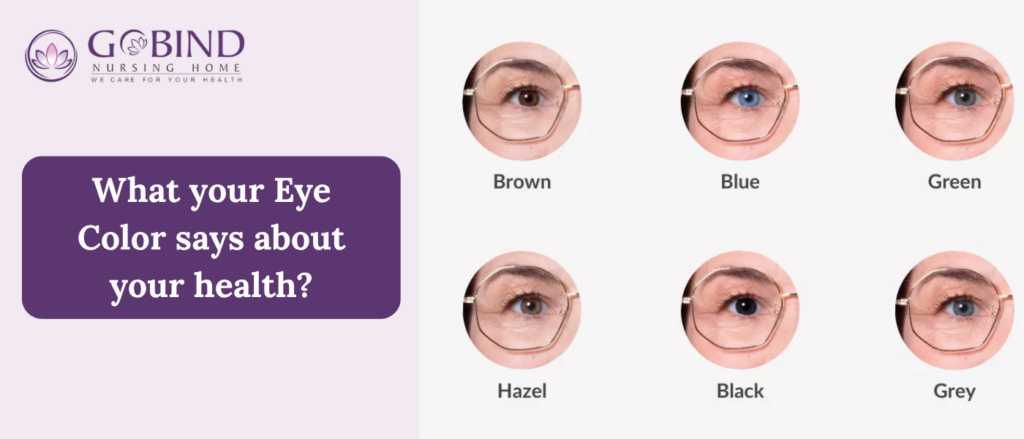
Your eyes are often called the “windows to your soul,” but they can also be windows to your overall eye health. While eye color is primarily determined by genetics, research suggests that it may offer subtle clues about your health, risk factors, and even how your body responds to certain conditions. From sensitivity to light to the risk of specific diseases, your eye color can reveal more than you might think.
In this detailed guide, we’ll explore what different eye colors may indicate about your health and why regular visits to an eye specialist or eye hospital like Gobind eye care are essential for maintaining long-term vision and wellness.
Understanding Eye Color and Its Formation
Eye color is determined by the amount and type of pigment (melanin) present in the iris. The more melanin you have, the darker your eyes will appear.
Key Factors That Influence Eye Color:
- Genetics (inherited from parents)
- Melanin levels
- Light scattering in the iris
While eye color itself doesn’t cause health problems, it can be linked to certain tendencies and risks. This makes routine eye care and proper eye treatment crucial for everyone, regardless of eye color.
Brown Eyes: Strength and Protection
Brown eyes are the most common worldwide and contain higher levels of melanin.
What It May Say About Your Health:
- Better Protection from UV Rays
Higher melanin levels help protect against harmful sunlight, reducing the risk of certain eye conditions. - Lower Risk of Macular Degeneration
Studies suggest that individuals with darker eyes may have a slightly lower risk of age-related macular degeneration. - Higher Risk of Cataracts
Despite UV protection, brown-eyed individuals may have a slightly increased risk of developing cataracts over time.
Eye Care Tips:
- Wear UV-protective sunglasses
- Schedule regular check-ups at an eye hospital
Blue Eyes: Sensitivity and Risks
Blue eyes have less melanin, making them more sensitive to light and environmental factors.
What It May Say About Your Health:
- Increased Light Sensitivity
People with blue eyes may experience discomfort in bright sunlight. - Higher Risk of UV Damage
Lower melanin means less natural protection from UV rays. - Possible Link to Skin Cancer Risk
Blue-eyed individuals often have lighter skin, which may increase susceptibility to skin-related conditions.
Eye Care Tips:
- Always wear sunglasses outdoors
- Use hats for additional protection
- Visit an eye specialist regularly for preventive eye treatment
Green Eyes: Rare and Unique
Green eyes are among the rarest eye colors and have a moderate level of melanin.
What It May Say About Your Health:
- Balanced Light Sensitivity
Not as sensitive as blue eyes but still more sensitive than brown eyes. - Potential Resistance to Certain Eye Diseases
Some studies suggest green-eyed individuals may have a lower risk of specific conditions, though research is ongoing.
Eye Care Tips:
- Maintain regular eye exams
- Protect eyes from UV exposure
Follow a balanced diet for optimal eye health.
Hazel Eyes: A Mix of Benefits
Hazel eyes are a combination of brown and green tones, offering a unique balance of melanin.
What It May Say About Your Health:
- Moderate UV Protection
Provides some natural protection but not as much as darker eyes. - Variable Sensitivity
Sensitivity can vary depending on lighting conditions.
Eye Care Tips:
- Use protective eyewear
- Stay consistent with eye care routines
- Consult an eye specialist for personalized advice
Grey Eyes: Subtle Differences
Grey eyes are rare and similar to blue eyes but with slightly more collagen in the iris.
What It May Say About Your Health:
- High Light Sensitivity
- Possible Risk of Eye Inflammation
Eye Care Tips:
- Avoid prolonged exposure to bright light
- Use lubricating drops if needed
- Regular visits to an eye hospital are recommended
Can Eye Color Indicate Disease Risk?
While eye colour alone cannot diagnose diseases, it can indicate certain tendencies. Here are a few conditions linked to eye colour:
1. Cataracts
- More common in individuals with darker eyes
- Regular screenings at Gobind eye care can help early detection
2. Macular Degeneration
- Slightly higher risk in lighter-colored eyes
- Early eye treatment can slow progression
3. Glaucoma
- Can affect anyone, regardless of eye color
- Routine eye pressure checks are essential
4. Uveal Melanoma
- A rare eye cancer more commonly seen in people with light-colored eyes
Eye Color and Pain Tolerance
Interestingly, studies suggest that eye color may also be linked to pain tolerance.
- People with lighter eyes may be more sensitive to pain
- Those with darker eyes may have higher pain tolerance
While this doesn’t directly impact eye health, it highlights how eye color can be connected to broader biological traits.
Eye Color Changes: When to Be Concerned
Eye color usually remains stable throughout life. However, sudden changes may indicate underlying health issues.
Watch for These Warning Signs:
- Sudden darkening or lightening of the iris
- Uneven color between both eyes
- Appearance of spots or rings
If you notice any of these changes, consult an eye specialist immediately for proper diagnosis and eye treatment.
Importance of Regular Eye Check-Ups
Regardless of your eye color, maintaining regular eye exams is crucial for early detection of potential issues.
Benefits of Regular Eye Exams:
- Early detection of diseases
- Monitoring vision changes
- Preventing long-term damage
- Personalized eye care advice
Visiting a trusted eye hospital like Gobind eye care ensures that your eyes receive expert attention and advanced diagnostic support.
Tips to Maintain Healthy Eyes
Good eye health is not just about genetics—it’s about lifestyle too.
Daily Eye Care Habits:
- Follow the 20-20-20 rule (every 20 minutes, look 20 feet away for 20 seconds)
- Eat nutrient-rich foods (leafy greens, carrots, fish)
- Stay hydrated
- Avoid excessive screen time
- Use proper lighting while reading or working
Protective Measures:
- Wear sunglasses with UV protection
- Avoid rubbing your eyes
- Use prescribed glasses or lenses
Seek timely eye treatment when needed.
When to See an Eye Specialist?
You should consult an eye specialist if you experience:
- Blurred or double vision
- Eye pain or discomfort
- Redness or swelling
- Sensitivity to light
- Sudden vision loss
Early consultation at a reputed eye hospital like Gobind eye care can prevent complications and preserve your vision.
Conclusion
Your eye color is more than just a physical trait—it can offer valuable insights into your eye health and potential risks. While it doesn’t determine your overall health, it can help guide preventive measures and awareness.