
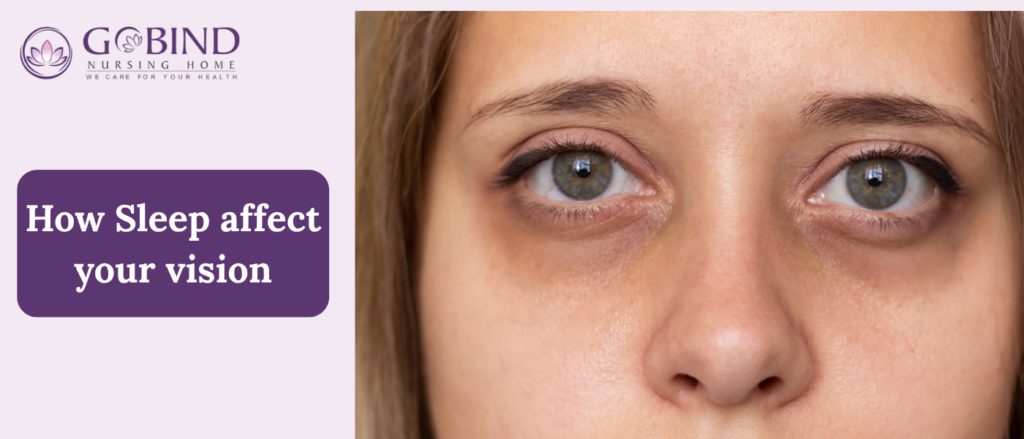
Sleep is not just essential for your overall well-being—it plays a crucial role in maintaining your eye health and clear vision. Many people focus on diet and regular checkups with an eye specialist but often overlook how sleep directly impacts their eyes. Poor sleep habits can lead to discomfort, blurry vision, and even long-term eye problems if ignored.
In this detailed guide, we’ll explore how sleep affects your vision, the risks of sleep deprivation, and practical tips to protect your eyes with proper eye care.
Why Sleep Is Important for Eye Health?
Your eyes work continuously throughout the day, processing light, focusing on objects, and adjusting to different environments. Sleep acts as a recovery period for your eyes, allowing them to repair and refresh.
During sleep:
- Eyes are lubricated naturally
- Tissues repair and regenerate
- Strain from screens and light exposure is reduced
- Brain processes visual information
Without proper rest, your eyes cannot function at their best, which is why eye specialists often emphasize good sleep as part of overall eye treatment.
How Lack of Sleep Affects Your Vision?
Sleep deprivation can have both short-term and long-term effects on your eyes. Below are the most common issues caused by insufficient sleep.
1. Dry Eyes and Irritation
When you don’t sleep enough, your eyes produce fewer tears, leading to dryness and irritation.
Symptoms include:
- Burning sensation
- Redness
- Itchy eyes
- Feeling of something stuck in the eye
Proper eye care routines and rest can help prevent these issues.
2. Eye Strain and Fatigue
Lack of sleep makes your eye muscles tired, reducing their ability to focus properly.
You may notice:
- Difficulty concentrating
- Heaviness in the eyes
- Increased sensitivity to light
An experienced eye specialist may recommend rest, screen breaks, and hydration to manage these symptoms.
3. Blurry Vision
Sleep deprivation can temporarily affect how your eyes focus, leading to blurred or fluctuating vision.
This happens because:
- Eye muscles don’t get enough recovery time
- Tear film becomes unstable
If blurry vision persists, visiting an eye hospital for proper evaluation is important.
4. Eye Twitching (Myokymia)
One of the most common signs of poor sleep is eye twitching.
Triggers include:
- Lack of sleep
- Stress
- Excess caffeine
Although usually harmless, persistent twitching may require consultation at a trusted center like Gobind eye care for reassurance and guidance.
5. Dark Circles and Puffy Eyes
While not directly affecting vision, these are visible signs of poor sleep that indicate underlying eye fatigue.
6. Increased Risk of Eye Conditions
Chronic sleep deprivation may increase the risk of serious eye problems, including:
- Glaucoma progression
- Optic nerve damage
- Reduced visual processing
Regular visits to an eye hospital help detect such issues early.
The Link Between Sleep Disorders and Vision Problems
Certain sleep disorders can directly impact your eye health.
1. Sleep Apnea
People with sleep apnea may experience:
- Reduced oxygen supply to the eyes
- Higher risk of glaucoma
2. Insomnia
Chronic insomnia leads to:
- Persistent eye fatigue
- Long-term strain
3. Lagophthalmos (Sleeping with Eyes Partially Open)
This condition prevents proper eye lubrication during sleep, causing dryness and irritation.
Seeking timely eye treatment from an experienced eye specialist can help manage these conditions effectively.
How Much Sleep Do Your Eyes Need?
For optimal eye care and overall health:
- Adults: 7–9 hours per night
- Teenagers: 8–10 hours
- Children: 9–12 hours
Consistent sleep schedules are just as important as duration.
Tips to Protect Your Vision Through Better Sleep
Improving your sleep habits can significantly enhance your eye health. Here are some practical tips:
1. Follow a Sleep Routine
- Go to bed and wake up at the same time daily
- Avoid irregular sleep patterns
2. Limit Screen Time Before Bed
Blue light from phones and laptops can disrupt sleep and strain your eyes.
Try this:
- Avoid screens 1 hour before sleep
- Use night mode or blue light filters
3. Keep Your Eyes Hydrated
- Blink frequently during screen use
- Use lubricating eye drops if recommended by an eye specialist
4. Maintain a Comfortable Sleep Environment
- Keep the room dark and cool
- Avoid direct air from fans or AC hitting your eyes
5. Practice Good Eye Hygiene
- Remove makeup before sleeping
- Avoid rubbing your eyes
6. Manage Stress
Stress affects both sleep and eye comfort.
Helpful practices:
Meditation
Deep breathing
Light exercise
When to Visit an Eye Specialist?
You should consult an eye specialist if you experience:
- Persistent blurry vision
- Severe dryness or redness
- Frequent eye twitching
- Eye pain or discomfort
- Vision changes after poor sleep
Early diagnosis at a reliable eye hospital like Gobind eye care ensures proper eye treatment and prevents complications.
Role of Regular Eye Checkups
Even if you don’t notice major issues, routine checkups are essential for maintaining eye health.
Benefits include:
- Early detection of eye diseases
- Personalized eye care advice
- Monitoring vision changes
A trusted eye hospital can guide you on maintaining healthy vision habits.
Simple Daily Eye Care Routine
Incorporate these habits into your daily life:
- Follow the 20-20-20 rule
(Every 20 minutes, look 20 feet away for 20 seconds) - Stay hydrated
- Eat eye-friendly foods (carrots, spinach, nuts)
- Get enough sleep consistently
- Avoid excessive screen exposure
Conclusion
Sleep is a vital yet often ignored factor in maintaining good vision. From preventing dryness and eye strain to reducing the risk of serious conditions, quality sleep plays a key role in protecting your eye health.
By following proper sleep habits and regular eye care, you can keep your vision clear and healthy. If you notice persistent issues, don’t hesitate to consult an experienced eye specialist or visit a trusted eye hospital like Gobind eye care for expert guidance and effective eye treatment.
Taking care of your sleep is, ultimately, taking care of your eyes.