

When it comes to maintaining good eye health, most people focus on diet, screen time, and regular checkups. However, one crucial factor is often overlooked—hydration. Staying properly hydrated plays a vital role in keeping your eyes comfortable, clear, and functioning optimally. Whether you’re dealing with dryness, irritation, or long-term vision concerns, understanding the connection between hydration and eye care can make a significant difference.
In this article, we’ll explore how hydration impacts your eyes, the signs of dehydration in your vision, and practical tips to protect your eyes with proper fluid intake.
Why Hydration Matters for Eye Health ?
Water makes up a large portion of the human body, including the eyes. Your eyes rely on a balanced fluid system to maintain moisture, remove debris, and support clear vision.
Key Functions of Hydration in Eye Health
Proper hydration supports:
- Tear production – Tears keep your eyes lubricated and comfortable
- Nutrient delivery – Fluids help transport essential nutrients to eye tissues
- Waste removal – Toxins and irritants are flushed out through tear film
- Corneal clarity – Adequate hydration ensures a smooth, clear surface for vision
Without enough water, these functions can become compromised, leading to discomfort and potential vision problems.
The Role of Tears in Eye Care
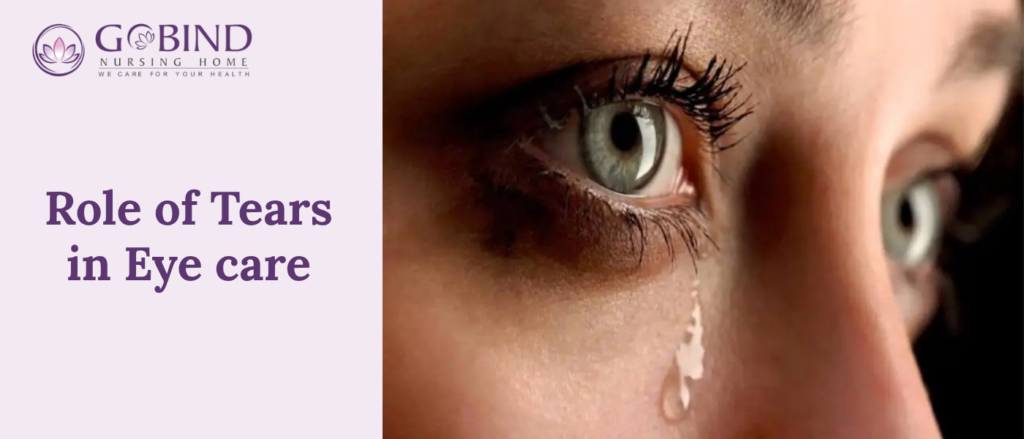
Tears are essential for daily eye care and are directly affected by hydration levels.
What Are Tears Made Of?
Tears consist of three layers:
- Oil layer – Prevents evaporation
- Water layer – Provides moisture and oxygen
- Mucus layer – Helps tears spread evenly
When you’re dehydrated, the water layer becomes insufficient, leading to unstable tear film and dry eyes.
Signs Your Eyes Are Affected by Dehydration
Dehydration doesn’t just make you feel tired—it also impacts your vision. Here are some common symptoms:
Common Eye-Related Symptoms
- Dryness or gritty sensation
- Redness and irritation
- Blurred vision
- Eye fatigue
- Increased sensitivity to light
- Difficulty wearing contact lenses
If you experience these symptoms frequently, it may be time to consult an eye specialist for proper evaluation and eye treatment.
Dry Eyes: The Most Common Effect of Dehydration
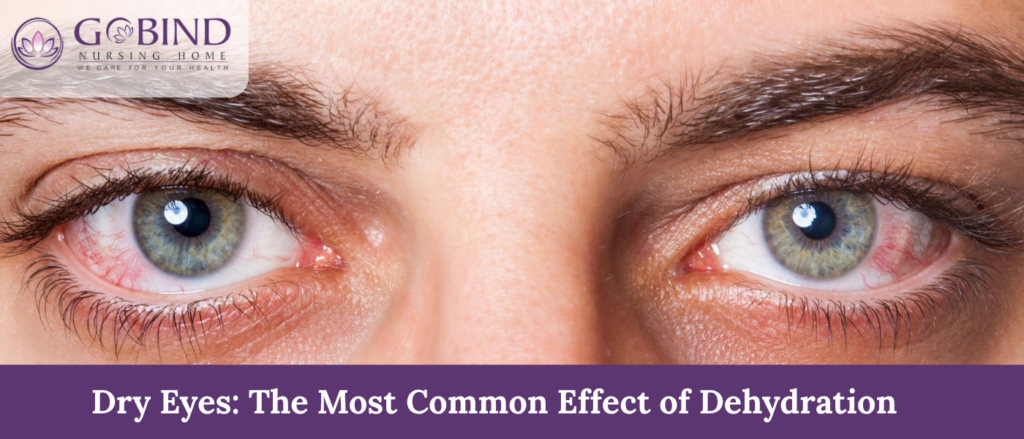
One of the most direct consequences of poor hydration is dry eye syndrome.
How Dehydration Causes Dry Eyes?
When your body lacks fluids:
- Tear production decreases
- Tears evaporate faster
- Eyes become inflamed and irritated
Who Is at Higher Risk?
- People working long hours on screens
- Elderly individuals
- Contact lens users
- Individuals in air-conditioned environments
Seeking advice from a trusted eye hospital can help manage chronic dry eye conditions effectively.
Impact of Hydration on Vision Quality
Hydration doesn’t just affect comfort—it also impacts how well you see.
Effects on Vision
- Blurry vision due to uneven tear film
- Eye strain during reading or screen use
- Reduced focus from dryness and fatigue
Even mild dehydration can affect visual clarity, especially during tasks requiring concentration.
Hydration and Eye Pressure
Fluid balance in the body also plays a role in maintaining intraocular pressure (IOP).
Why It Matters?
- Proper hydration helps regulate eye pressure
- Sudden dehydration or overhydration can disrupt balance
- Imbalanced eye pressure may contribute to conditions like glaucoma
Regular checkups at an eye hospital ensure your eye pressure remains within a healthy range.
How Much Water Do You Need for Healthy Eyes?
There’s no one-size-fits-all answer, but general guidelines can help.
Recommended Daily Intake
- Men: Around 3–3.7 liters per day
- Women: Around 2–2.7 liters per day
Factors That Increase Water Needs
- Hot weather
- Physical activity
- Illness or fever
- High screen exposure
Listening to your body and staying consistently hydrated is key for maintaining optimal eye health.
Best Hydrating Foods for Eye Health
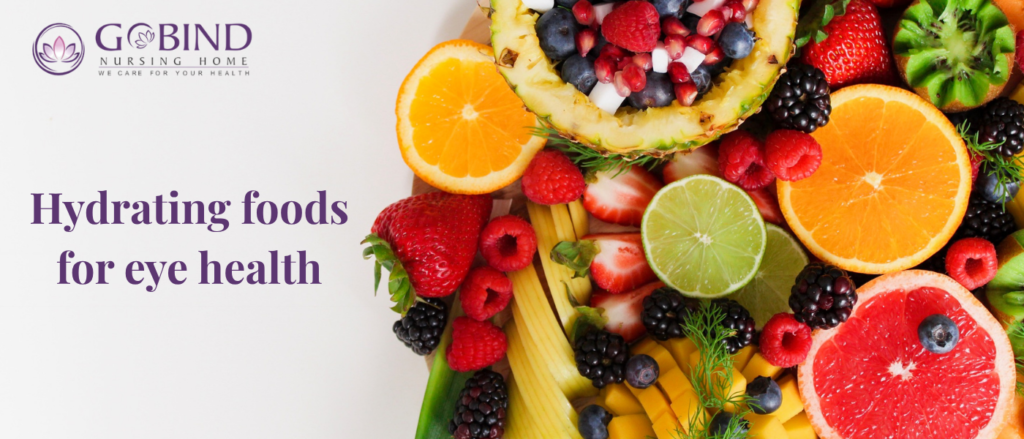
Hydration isn’t just about drinking water—you can also boost it through your diet.
Water-Rich Foods
Include these in your daily meals:
- Cucumber – High water content and cooling effect
- Watermelon – Hydrating and rich in antioxidants
- Oranges – Provide vitamin C and hydration
- Spinach – Supports overall eye care
- Tomatoes – Contain lycopene and water
These foods not only hydrate but also provide nutrients essential for healthy vision.
Lifestyle Habits That Affect Eye Hydration
Certain daily habits can worsen dehydration and harm your eyes.
Habits to Avoid
- Excessive caffeine intake
- Alcohol consumption
- Long screen time without breaks
- Ignoring blinking while using devices
Healthy Practices to Follow
- Follow the 20-20-20 rule (every 20 minutes, look 20 feet away for 20 seconds)
- Use a humidifier in dry environments
- Blink frequently during screen use
- Wear protective eyewear outdoors
When to Seek Professional Eye Treatment?
While hydration can improve many minor issues, some conditions require medical attention.
Visit an Eye Specialist If You Notice:
- Persistent dryness despite hydration
- Severe redness or pain
- Sudden vision changes
- Sensitivity to light that doesn’t improve
Professional eye treatment ensures underlying conditions are properly diagnosed and managed.
The Role of Regular Eye Checkups
Even if your symptoms seem minor, routine visits to an eye hospital are essential.
Benefits of Regular Checkups
- Early detection of eye conditions
- Personalized advice on eye care
- Monitoring hydration-related issues
- Preventing long-term damage
Trusted centers like Gobind eye care emphasize preventive care and patient education, helping individuals maintain healthy vision through proper lifestyle habits.
Hydration and Digital Eye Strain
In today’s digital world, hydration becomes even more important.
Why Screen Users Need More Hydration
- Reduced blinking leads to dryness
- Increased evaporation of tears
- Higher risk of eye fatigue
Combining proper hydration with good screen habits can significantly improve comfort and productivity.
Conclusion
Hydration plays a crucial yet often underestimated role in maintaining good eye health. From supporting tear production to ensuring clear vision, proper fluid intake is essential for overall eye care. Dehydration can lead to dryness, irritation, and even long-term complications if ignored.
By adopting healthy hydration habits, eating water-rich foods, and seeking timely advice from an eye specialist, you can protect your vision effectively. Regular visits to a reliable eye hospital and trusted providers like Gobind eye care can further ensure your eyes stay healthy and comfortable.