

Seeing two images of a single object can be confusing, uncomfortable, and sometimes alarming. This condition is known as double vision, or diplopia. While it may happen temporarily because of tiredness, alcohol, certain medications, or eye strain, persistent or sudden double vision can sometimes indicate an underlying eye or neurological problem that needs medical attention.
Understanding the possible causes of double vision is an important part of good eye care. From problems with the eye muscles and nerves to conditions affecting the cornea, lens, or brain, several factors can interfere with the way your eyes work together. Consulting an experienced eye doctor can help identify the underlying cause and determine the right eye treatment.
What Is Double Vision?
Double vision occurs when you see two images instead of one. The images may appear side by side, one above the other, or at an angle.
Double vision can affect one eye or both eyes.
Monocular Double Vision
Monocular double vision continues even when one eye is covered. It is usually related to a problem within the eye itself.
Possible causes include:
- Dry eyes
- Astigmatism
- Corneal irregularities
- Cataracts
- Problems with the eye’s natural lens
- Certain retinal or optical abnormalities
Binocular Double Vision
Binocular double vision occurs when both eyes are open but disappears when either eye is covered. It generally happens when the two eyes are not properly aligned.
Possible causes include:
- Eye muscle problems
- Nerve disorders
- Strabismus or squint
- Thyroid-related eye disease
- Diabetes-related nerve damage
- Certain neurological conditions
Identifying whether double vision is monocular or binocular is one of the first steps an eye doctor may take during an eye examination.
What Causes Double Vision?
There is no single cause of double vision. The problem can originate in the cornea, lens, eye muscles, nerves, or even the brain.
1. Eye Muscle Problems
Six muscles control the movement of each eye. These muscles need to work together so that both eyes focus on the same object.
If one muscle becomes weak or does not function properly, the eyes may become misaligned. This can result in binocular double vision.
Conditions affecting the eye muscles may include muscle weakness, inflammation, trauma, or disorders that interfere with normal muscle movement.
2. Nerve Problems
The nerves responsible for controlling eye movements are essential for coordinated vision. Damage or weakness in these nerves can prevent the eyes from moving together correctly.
Nerve-related double vision may occur due to:
- Diabetes
- High blood pressure
- Head injury
- Stroke
- Inflammation
- Certain neurological disorders
Sudden double vision accompanied by other neurological symptoms requires prompt medical evaluation.
3. Cataracts
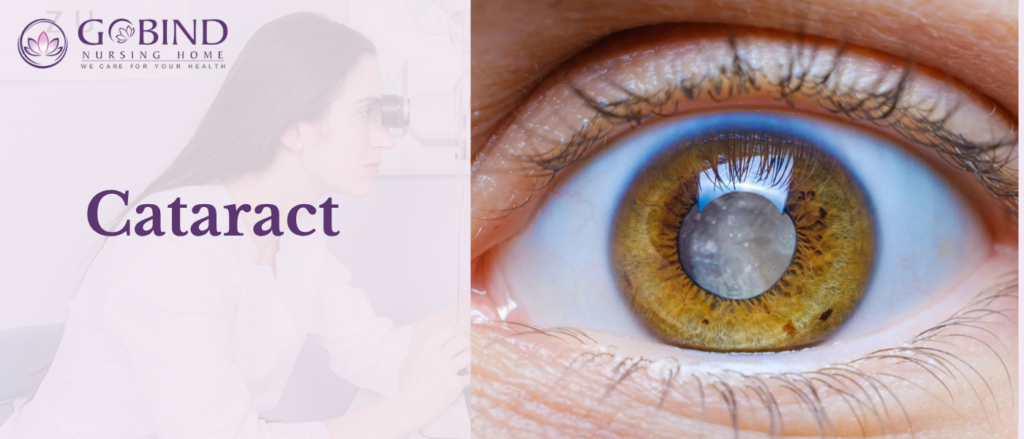
A cataract develops when the natural lens of the eye becomes cloudy. Cataracts commonly cause blurred or hazy vision, glare, and difficulty seeing clearly.
In some cases, changes in the lens can also cause monocular double vision. If a cataract significantly affects vision, an eye specialist may recommend cataract surgery.
Modern eye surgery can replace the cloudy natural lens with an artificial intraocular lens, helping restore clearer vision when cataracts are responsible for the visual disturbance.
4. Corneal Problems
The cornea is the clear front surface of the eye. It plays a major role in focusing incoming light.
An irregular or damaged cornea can cause light to enter the eye unevenly, resulting in distorted or double images.
Possible corneal causes include:
- Keratoconus
- Corneal scars
- Corneal swelling
- Severe dry eye
- Previous eye injury
- Certain corneal diseases
Appropriate eye treatment depends on the specific corneal condition.
5. Dry Eye
Dry eye is another possible cause of temporary or intermittent double vision.
When the tear film becomes unstable, the smooth optical surface of the eye can become irregular. This may make images appear blurred, fluctuating, or occasionally doubled.
People who spend many hours looking at computers or smartphones may experience dry-eye symptoms more frequently because they tend to blink less while concentrating on screens.
Good eye care habits, such as taking regular screen breaks and following appropriate treatment recommended by an eye doctor, can help manage dry-eye symptoms.
6. Diabetes

Diabetes can affect the blood vessels and nerves that control eye movement. In some people, diabetes-related nerve damage can temporarily interfere with coordination between the eyes.
Diabetes can also contribute to other eye conditions, including diabetic retinopathy, which is why regular eye examinations are important for people living with diabetes.
7. Thyroid Eye Disease
Thyroid eye disease can affect the muscles and tissues surrounding the eyes. Inflammation and swelling may change how the eyes move.
As a result, some people may develop:
- Eye pressure or discomfort
- Bulging eyes
- Dryness
- Difficulty moving the eyes normally
Treatment depends on the severity and underlying cause of the condition.
8. Squint or Strabismus
Strabismus, commonly called a squint, occurs when the eyes are not properly aligned.
Although it is often diagnosed during childhood, adults can also develop eye misalignment. Depending on the cause, treatment may involve glasses, prisms, exercises in selected cases, medical management, or eye surgery.
An eye specialist can determine the most appropriate approach after examining eye alignment and movement.
9. Head Injury or Trauma
An injury to the head, eye, or surrounding structures can affect the muscles or nerves responsible for eye movement.
Double vision after an accident or head injury should not be ignored, especially if it appears suddenly or is accompanied by headache, dizziness, weakness, confusion, or other unusual symptoms.
Conclusion
The most important thing is not to ignore persistent or sudden double vision. A timely examination can help determine whether the problem originates within the eye or is related to the way the eyes, nerves, and brain work together.
With the right diagnosis and individualized eye treatment, many causes of double vision can be managed effectively. If you experience recurring, persistent consult an eye doctor rather than trying to diagnose the problem yourself.
Clear vision starts with the right diagnosis—and good eye care starts with paying attention to changes in your vision.