
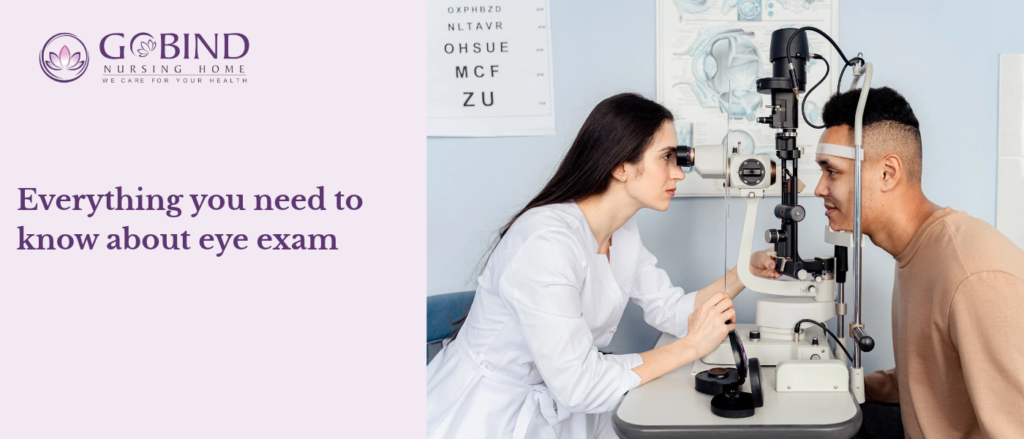
Your eyes help you experience the world, recognize faces, read, work, and perform everyday activities. However, many eye problems develop gradually without noticeable symptoms in their early stages. This is why regular eye exams are an essential part of maintaining good vision and overall eye health. Whether you wear glasses, use contact lenses, or have naturally clear vision, routine eye care can help identify potential problems before they become serious.
A comprehensive eye examination does more than determine whether you need glasses. It allows an eye doctor to assess your vision, examine the health of your eyes, and identify signs of certain eye conditions that may require further evaluation or eye treatment.
For individuals and families seeking reliable eye care, understanding the examination process can make it easier to take the right steps toward protecting their eyesight. This guide explains the different types of eye exams, what happens during an appointment, how often you should get your eyes checked, and when professional attention is necessary.
What Is an Eye Exam?
An eye exam is a medical assessment that evaluates your vision and the overall health of your eyes. It helps determine whether you have a refractive error, such as nearsightedness or farsightedness, and checks for signs of eye diseases or other abnormalities.
During a comprehensive examination, an eye doctor may assess:
- Visual sharpness and clarity
- Eye coordination and movement
- The need for prescription glasses or contact lenses
- Eye pressure, when indicated
- The health of the retina and optic nerve
- The condition of the cornea and other eye structures
The exact tests depend on your age, medical history, symptoms, and risk factors. Regular examinations are important even when you do not experience obvious vision difficulties.
Why Are Regular Eye Exams Important?
Routine eye examinations help detect vision problems and certain eye diseases at an early stage. Early detection can make treatment more effective and help prevent avoidable vision loss.
1. Detect Vision Problems Early
Blurred vision, difficulty reading, frequent squinting, and headaches may indicate a refractive error. An eye examination can determine whether you need glasses or a change in your existing prescription.
2. Identify Eye Diseases
Some eye conditions, including glaucoma and diabetic retinopathy, may develop without noticeable symptoms in the beginning. Appropriate examinations can help identify warning signs before significant vision damage occurs.
3. Monitor Existing Eye Conditions
People who already have an eye disease or other health conditions affecting vision may need regular follow-up appointments. These visits help the eye doctor monitor changes and adjust the treatment plan when necessary.
4. Support Children’s Visual Development
Children rely on their vision for reading, learning, sports, and social interaction. Early eye examinations can identify vision difficulties that might otherwise be mistaken for learning or attention problems.
5. Maintain Eye Health as You Age
Age-related changes can increase the risk of conditions such as cataracts, glaucoma, and macular degeneration. Regular eye care becomes particularly important as you grow older.
What Happens During a Comprehensive Eye Exam?
A comprehensive eye examination usually involves several tests. Not every patient requires every test, but the following are commonly performed.
1. Medical and Vision History
The eye doctor may ask about your symptoms, family history of eye disease, existing medical conditions, medications, and use of glasses or contact lenses.
You should mention any blurred vision, eye strain, headaches, flashes of light, floaters, or other unusual symptoms.
2. Visual Acuity Test
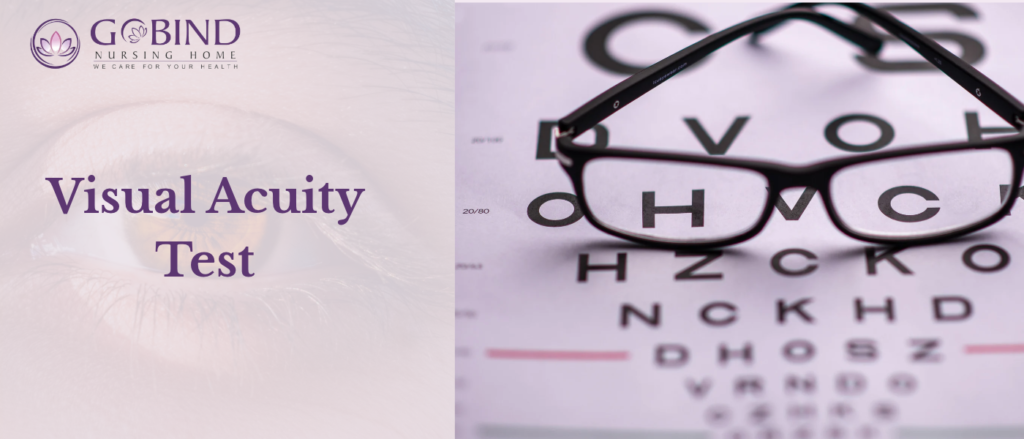
This test measures how clearly you can see letters, numbers, or symbols at different distances. It is commonly performed using an eye chart.
The results help determine whether you have difficulty seeing objects clearly and whether corrective lenses may be required.
3. Refraction Test
A refraction test helps identify the correct lens prescription for your eyes. You may be asked to look through different lenses and indicate which option makes the letters or images clearer.
This test helps diagnose common refractive errors, including:
- Myopia: Difficulty seeing distant objects clearly.
- Hyperopia: Difficulty focusing on nearby objects, depending on its severity.
- Astigmatism: Blurred or distorted vision caused by irregular curvature of the cornea or lens.
- Presbyopia: Age-related difficulty focusing on close objects.
4. Eye Muscle and Coordination Test
The doctor may assess how well your eyes move together and focus on an object. This can help identify problems with eye alignment, movement, or coordination.
5. Eye Pressure Measurement
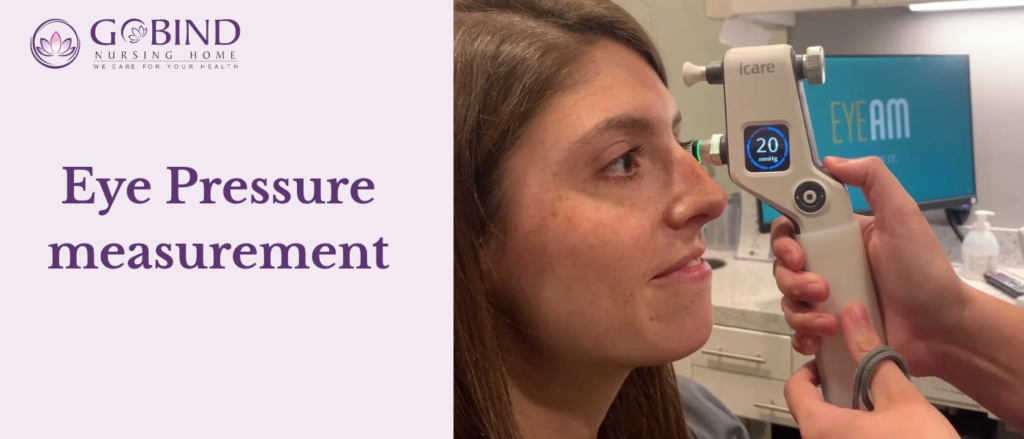
An eye pressure test may be performed to assess the pressure inside your eyes. It can help identify people who may need further evaluation for glaucoma.
However, eye pressure alone cannot confirm or rule out glaucoma. The doctor may also examine the optic nerve, visual field, and other structures.
6. Examination of the Retina and Optic Nerve
The doctor may examine the back of your eyes to check the retina, blood vessels, and optic nerve. Dilating eye drops may be used to provide a wider view of these structures.
This examination can help identify signs of retinal disease, diabetic eye complications, and other conditions that may affect vision.
How Often Should You Get an Eye Exam?
The ideal frequency depends on your age, medical history, symptoms, and risk factors. Your eye doctor can recommend an appropriate schedule.
General guidance includes:
- Children: Eye examinations should be performed at recommended developmental stages and whenever vision concerns arise.
- Young adults: Periodic comprehensive examinations are important even without symptoms.
- Adults over 40: Regular examinations become increasingly important because the risk of certain eye conditions rises with age.
- Older adults: More frequent monitoring may be needed depending on eye health and existing conditions.
- People with diabetes or glaucoma risk factors: Follow a personalized examination schedule recommended by their healthcare professional.
If you experience sudden vision changes, severe eye pain, flashes, a sudden increase in floaters, or a curtain-like shadow in your vision, do not wait for your next routine appointment. Seek urgent medical attention.
What Happens After an Eye Exam?
Once the examination is complete, the eye doctor will explain the findings and recommend the next steps.
Depending on the results, you may need:
- Updated prescription glasses or contact lenses
- Advice on daily eye care and visual habits
- Medication or other eye treatment
- Additional diagnostic tests
- Regular monitoring of an existing condition
- Referral for specialist assessment or a surgical procedure
Not every abnormal finding requires treatment, and not every eye condition requires surgery. Eye surgery may be recommended for specific conditions, such as cataracts or certain retinal problems, when clinically appropriate. The decision depends on the diagnosis, severity, and individual needs.
Conclusion
Eye exams are an important part of preventive healthcare, helping identify vision problems, monitor existing conditions, and detect potential eye diseases. You do not need to wait until your vision becomes blurry to schedule an appointment. Regular examinations can provide valuable information about your eye health at every stage of life.
From visual acuity and prescription testing to retinal evaluation and eye pressure measurement, each test serves a specific purpose. Understanding the process can help you feel more confident about seeking professional care.
Prioritize regular eye care, consult an eye doctor when you notice unusual symptoms, and follow recommended treatment plans. Whether your needs involve routine monitoring, specialized eye treatment, or an assessment for possible eye surgery, timely professional guidance can help you make informed decisions about protecting your vision.
Your eyesight deserves attention before a small concern becomes a bigger problem. Schedule an eye examination at the appropriate intervals and make healthy vision a priority.