
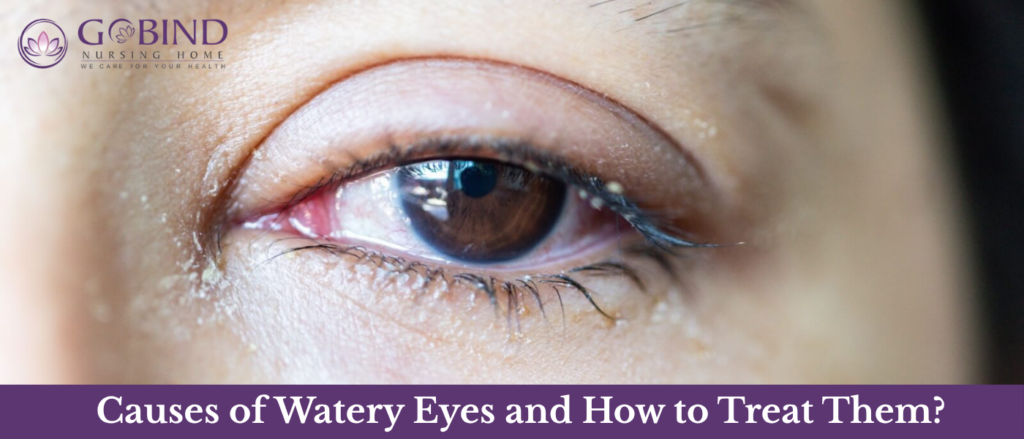
Watery eyes may seem like a minor problem, but frequent or excessive tearing can sometimes indicate an underlying eye condition. While occasional watering can happen because of wind, dust, smoke, or emotions, persistent watery eyes may need proper evaluation by an eye doctor.
Understanding the cause is the first step toward effective eye treatment. From dry eyes and allergies to blocked tear ducts and infections, several conditions can lead to excessive tearing. In some cases, simple lifestyle changes and medication may help, while certain structural problems may require a procedure or eye surgery.
What Are Watery Eyes?
Watery eyes, medically known as epiphora, occur when the eyes produce more tears than normal or when tears cannot drain properly.
Tears are essential for keeping the surface of the eye moist, clean, and protected. Normally, tears spread across the eye when you blink and then drain through tiny openings near the inner corners of the eyelids.
When tear production increases or the drainage system does not work correctly, tears may overflow onto the cheeks.
Watery eyes can affect one eye or both eyes and may occur occasionally or continuously.
Common Causes of Watery Eyes
There is no single cause of excessive tearing. Different eye conditions and environmental factors can contribute to the problem.
1. Eye Allergies

Allergies can irritate the surface of the eye and trigger excessive tear production.
Common triggers include:
- Dust
- Pollen
- Pet dander
- Pollution
- Certain cosmetics
Watery eyes caused by allergies may occur along with itching, redness, burning, or swelling.
Avoiding known allergens and using treatment recommended by an eye specialist can help control symptoms.
2. Blocked Tear Ducts
Tears normally drain through small channels called tear ducts. If these ducts become narrowed or blocked, tears cannot drain properly and may overflow from the eyes.
A blocked tear duct can occur because of:
- Age-related narrowing
- Inflammation
- Previous infection
- Injury
- Structural abnormalities
If the blockage is persistent, medical treatment may be required. In some cases, a procedure may be recommended to restore normal tear drainage.
3. Eye Infections
Infections such as conjunctivitis can cause watery eyes. Viral or bacterial infections may also cause redness, irritation, discharge, swelling, or discomfort.
If watery eyes suddenly develop with significant redness or discharge, it is important to get an eye examination rather than using random eye drops.
The correct eye treatment depends on the underlying cause.
4. Irritation From Dust, Smoke, or Foreign Objects
The eyes are highly sensitive organs. Dust, smoke, chemicals, or a tiny foreign particle can irritate the eye and trigger reflex tearing.
In many cases, the eye produces extra tears to help wash away the irritant.
However, if something remains stuck in the eye or symptoms continue after exposure, professional evaluation is recommended.
5. Eyelid Problems
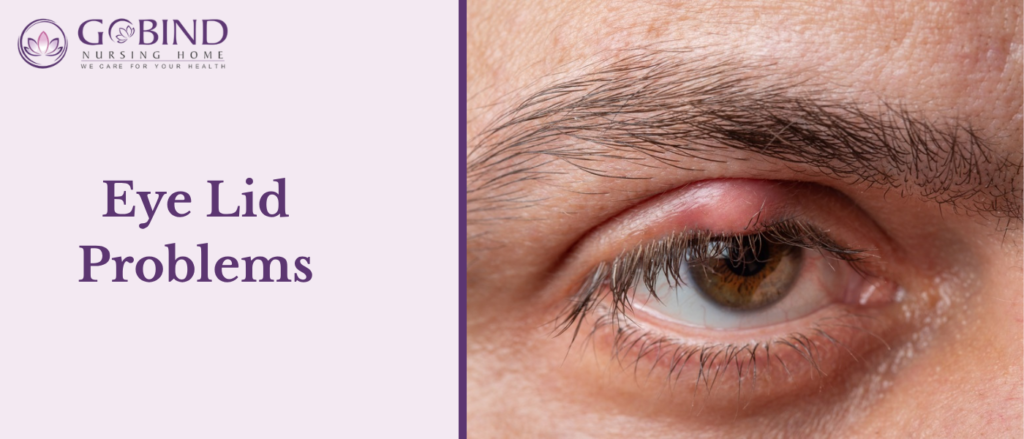
The eyelids play an important role in spreading tears across the surface of the eye and directing them toward the drainage system.
Conditions such as an inward- or outward-turning eyelid can interfere with normal tear drainage.
These problems may become more common with age and can sometimes require corrective treatment.
6. Corneal Problems
The cornea is the clear front surface of the eye. Because it contains many sensitive nerve endings, even minor corneal irritation can cause significant watering.
Corneal scratches, inflammation, infections, or other surface problems may lead to:
- Excessive tearing
- Pain
- Light sensitivity
- Redness
- Blurred vision
These symptoms should not be ignored because some corneal conditions can affect vision if left untreated.
Treatment Options for Watery Eyes
The right eye treatment depends entirely on the underlying cause.
Treating Dry Eyes
If dry eye is responsible, treatment may include:
- Lubricating eye drops
- Taking regular breaks from screens
- Increasing blinking during prolonged screen use
- Protecting the eyes from wind and dust
- Managing the underlying cause
Your eye doctor may recommend a specific type of artificial tear depending on your condition.
Treating Allergies
Allergy-related watering may improve when the trigger is avoided. An eye specialist may recommend appropriate anti-allergy treatment depending on the symptoms.
Avoid rubbing your eyes, as rubbing can increase irritation and potentially damage the eye surface.
Treating Eye Infections
Treatment depends on whether the infection is viral, bacterial, or related to another cause. Do not self-medicate with antibiotic or steroid eye drops without medical advice.
Treating Blocked Tear Ducts
Mild drainage problems may sometimes be monitored or treated conservatively. Persistent obstruction may require a specialized procedure to improve tear drainage.
In certain cases, surgery may be considered when other treatments do not resolve the blockage.
Simple Tips to Reduce Watery Eyes
Along with professional eye care, some everyday habits can help reduce irritation and protect your eyes.
- Avoid rubbing your eyes.
- Take regular breaks during prolonged screen use.
- Keep your surroundings free from excessive dust and smoke.
- Wear protective eyewear in dusty or windy conditions.
- Stay hydrated.
- Keep contact lenses clean and use them according to professional instructions.
- Avoid using someone else’s eye drops.
- Do not use medicated eye drops without professional advice.
- Get regular eye examinations, especially if symptoms keep returning.
Conclusion
Watery eyes are common, but persistent tearing should not always be dismissed as a minor inconvenience. Dry eyes, allergies, infections, irritation, blocked tear ducts, eyelid problems, and corneal conditions can all contribute to excessive watering.
If you are experiencing frequent watery eyes, consult an eye doctor for a proper examination. With timely eye treatment and appropriate eye care, the underlying cause can often be managed effectively. And when a structural problem requires a procedure or eye surgery, early evaluation can help protect your comfort and overall eye health.