
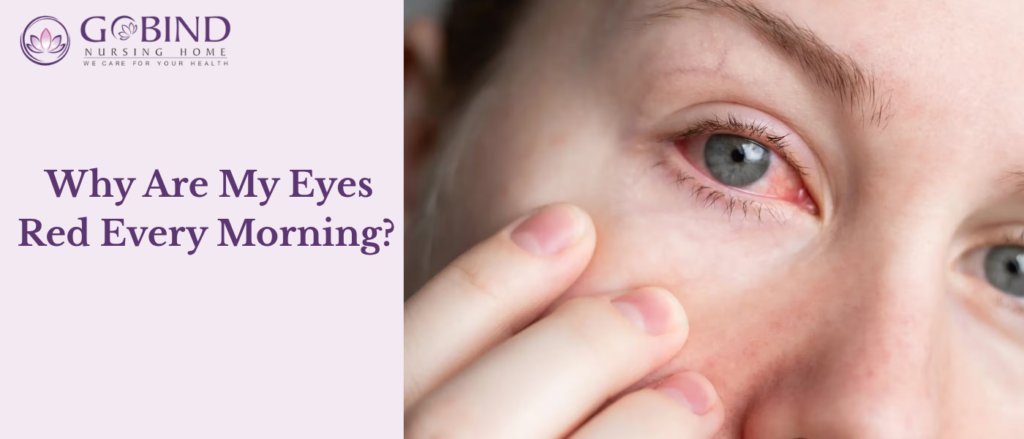
Waking up with red eyes every morning can be frustrating and sometimes alarming. While occasional redness may not be a cause for concern, persistent morning redness could be your eyes’ way of signaling an underlying problem. From lack of sleep and dry eyes to allergies and infections, several factors can contribute to this condition.
Understanding the possible reasons behind red eyes can help you take the right steps to protect your vision. In this article, we’ll explore the common causes of red eyes in the morning, effective eye treatment options, prevention tips, and when it’s time to consult an experienced eye doctor. If your symptoms persist or worsen, seeking professional eye care at Gobind Nursing Home can help identify the exact cause and provide appropriate treatment before the condition becomes more serious.
What Causes Red Eyes Every Morning?
Redness occurs when the tiny blood vessels on the surface of the eye become enlarged or irritated. Morning redness can happen for many reasons, ranging from harmless lifestyle habits to medical conditions requiring treatment.
Let’s look at the most common causes.
1. Dry Eyes During Sleep
One of the leading reasons for waking up with red eyes is Dry Eye Syndrome.
While you sleep, your eyes produce fewer tears. If your eyes don’t stay properly lubricated overnight, they may appear red, irritated, or feel gritty when you wake up.
Common symptoms include:
- Burning sensation
- Scratchy feeling
- Blurred vision
- Watery eyes after waking
- Eye fatigue
People who sleep with partially open eyelids are especially prone to overnight dryness.
2. Eye Allergies
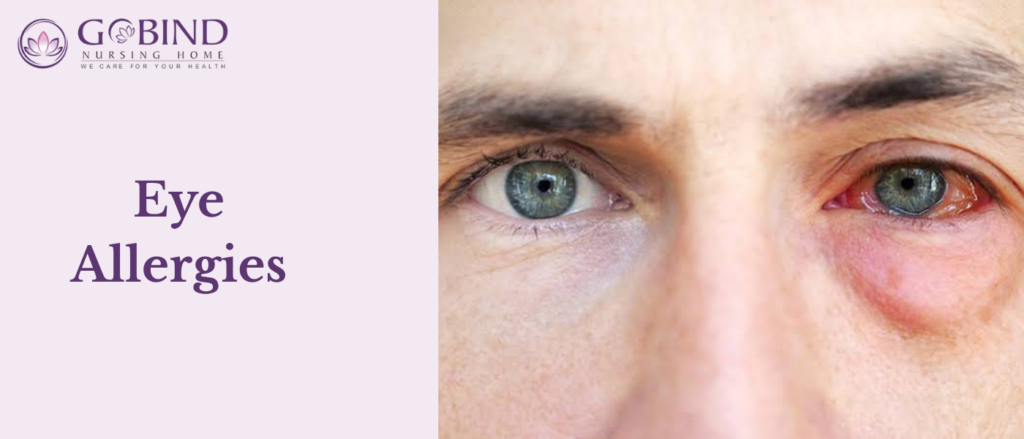
Morning eye redness is often linked to allergies.
Dust mites, pet dander, pollen, mold, or even the detergent used to wash pillowcases can trigger allergic reactions while you sleep.
Signs of allergic eye irritation:
- Itchy eyes
- Excessive tearing
- Puffy eyelids
- Sneezing
- Nasal congestion
Managing allergens in your bedroom often helps reduce symptoms.
3. Lack of Sleep
Insufficient sleep affects your entire body—including your eyes.
Poor sleep reduces oxygen supply to the eyes, causing blood vessels to expand and making the eyes appear bloodshot.
Additional symptoms may include:
- Eye strain
- Dark circles
- Blurred vision
- Difficulty focusing
Adults generally need 7–9 hours of quality sleep each night.
4. Blepharitis (Inflamed Eyelids)
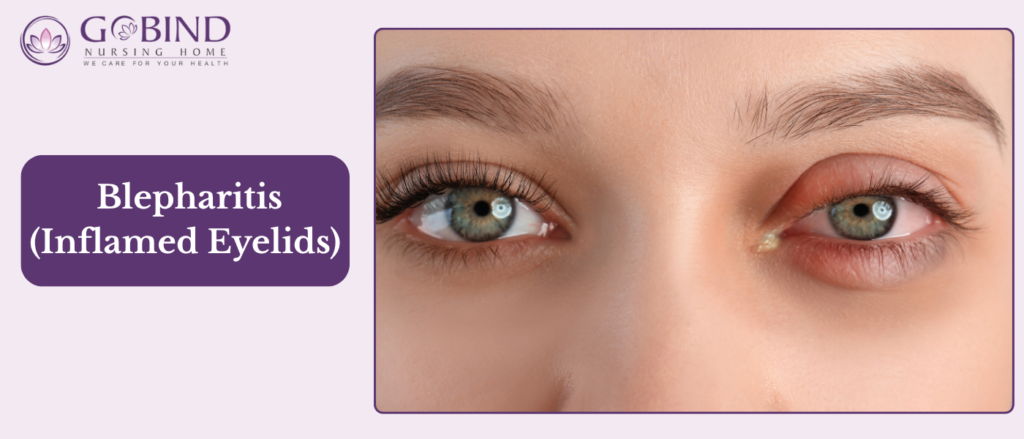
Blepharitis is a common condition where the edges of the eyelids become inflamed due to bacteria or blocked oil glands.
It often causes redness immediately after waking because debris accumulates around the eyelids overnight.
Symptoms include:
- Crusty eyelids
- Burning eyes
- Sticky eyelashes
- Itching
- Redness
Regular eyelid hygiene usually helps manage this condition.
5. Sleeping with Contact Lenses
Sleeping while wearing contact lenses significantly increases the risk of eye irritation.
Contacts reduce oxygen reaching the cornea during sleep, making the eyes more vulnerable to redness, dryness, and infection.
Possible symptoms include:
- Pain
- Redness
- Sensitivity to light
- Blurred vision
If redness occurs after sleeping in contacts, remove them immediately and consult an eye doctor if symptoms continue.
6. Eye Infection
Bacterial or viral eye infections can cause noticeable redness in the morning.
Common infections include:
- Conjunctivitis (Pink Eye)
- Viral eye infections
- Bacterial infections
Symptoms may include:
- Sticky discharge
- Swollen eyelids
- Itching
- Watering
- Pain
These infections often require proper eye treatment, especially bacterial infections.
7. Digital Eye Strain
Although digital devices aren’t used during sleep, excessive screen time throughout the day affects tear production.
When your eyes remain strained all day, they may become increasingly dry overnight, resulting in redness the next morning.
Risk factors include:
- Long work hours on computers
- Frequent mobile phone use
- Poor blinking habits
- Dry office environments
Following healthy screen habits can reduce eye strain.
8. Environmental Irritants
Bedroom conditions can also affect your eyes.
Common irritants include:
- Air conditioning
- Ceiling fans
- Smoke
- Dry indoor air
- Strong perfumes
- Dust
These factors may dry out your eyes while you sleep.
When Should You Be Concerned?
Occasional morning redness usually improves within a few hours.
However, consult an eye doctor immediately if you experience:
- Severe eye pain
- Sudden vision loss
- Light sensitivity
- Thick yellow or green discharge
- Eye injury
- Persistent redness lasting several days
- Swelling around the eye
- Redness in only one eye with severe discomfort
Prompt eye care helps prevent complications and protects your vision.
Conclusion
Red eyes every morning may seem like a minor inconvenience, but they can sometimes point to an underlying eye condition that deserves attention. Dry eyes, allergies, eyelid inflammation, infections, poor sleep, and environmental factors are among the most common causes. Fortunately, most cases can be effectively managed with proper eye care, healthy daily habits, and timely medical evaluation.
If your eye redness is persistent, painful, affects your vision, or keeps returning, don’t ignore it. Consulting an experienced eye doctor at Gobind Nursing Home ensures you receive the right diagnosis and the most appropriate eye treatment, helping you maintain healthy eyes and clear vision for years to come.