
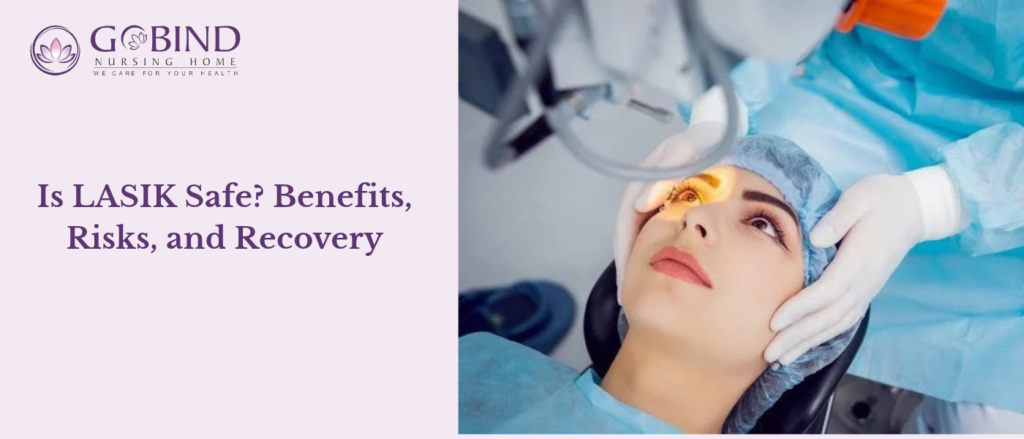
If you are tired of reaching for glasses or contact lenses every morning, you may have wondered: Is LASIK safe? LASIK is one of the most widely performed forms of refractive eye surgery, designed to reduce dependence on glasses and contact lenses. Modern LASIK techniques have advanced significantly, making the procedure safer and more precise than earlier methods.
However, LASIK is still a medical procedure, and it is not suitable for everyone. Understanding its benefits, possible risks, eligibility requirements, and recovery process can help you make a more informed decision about your vision and overall eye care.
This guide explains what you should know before considering LASIK and why consultation with an experienced eye doctor is an important first step.
What Is LASIK Eye Surgery?
LASIK stands for Laser-Assisted In Situ Keratomileusis. It is a laser-based eye treatment that reshapes the cornea, the clear front surface of the eye.
The cornea plays an important role in focusing light onto the retina. When the shape of the cornea causes light to focus incorrectly, it can result in refractive errors such as:
- Nearsightedness (myopia)
- Farsightedness (hyperopia)
- Astigmatism
During LASIK, a specialized laser reshapes specific areas of the cornea to improve the way light enters and focuses inside the eye.
Unlike traditional procedures, modern laser technology allows surgeons to plan treatment with detailed measurements of the patient’s eyes.
Is LASIK Safe?
For appropriately selected patients, LASIK is generally considered a safe and effective procedure. However, no eye surgery is completely risk-free.
The safety of LASIK depends on several factors, including:
- The patient’s eye health
- Corneal thickness and shape
- Stability of the prescription
- Presence of dry eye
- Overall medical history
- The technology used
- Experience of the eye surgeon
- Proper pre-operative evaluation and post-operative care
This is why LASIK should not be considered simply as a cosmetic procedure. A comprehensive examination by an eye doctor is essential before deciding whether you are a suitable candidate.
Benefits of LASIK
One of the biggest reasons people choose LASIK is the convenience of seeing clearly without relying heavily on glasses or contact lenses.
Some potential benefits include:
1. Reduced Dependence on Glasses
Many patients experience a significant improvement in their unaided vision after LASIK, reducing their need for glasses for everyday activities.
2. Freedom from Contact Lenses
Contact lenses require regular cleaning, replacement, and proper handling. LASIK may provide an alternative for people who find contact lenses uncomfortable or inconvenient.
3. Quick Procedure
LASIK itself is usually a relatively short procedure. The actual laser treatment for each eye generally takes only a brief amount of time.
4. Rapid Visual Improvement
Many patients notice improved vision shortly after surgery, although the exact recovery experience varies from person to person.
5. Improved Convenience
Activities such as sports, travelling, swimming, or outdoor work may become easier when you are less dependent on glasses or contact lenses.
Who May Be a Good Candidate for LASIK?
LASIK is not automatically appropriate for everyone who wears glasses. Your eyes need to meet specific requirements before surgery.
Generally, a potential LASIK candidate may need to have:
A Stable Eye Prescription
Your glasses or contact lens prescription should generally remain stable for a year before surgery. Significant changes in prescription may indicate that the eyes are not yet suitable for LASIK.
Healthy Corneas

The cornea needs to have sufficient thickness and a suitable shape. Conditions affecting corneal strength or structure may make LASIK unsuitable.
Healthy Eyes
Certain eye conditions, including significant dry eye or some corneal disorders, may need to be treated or carefully evaluated before considering surgery.
Realistic Expectations
LASIK can reduce dependence on glasses, but it does not guarantee perfect vision for every patient. Your eye doctor should explain what results you can realistically expect.
What Are the Risks of LASIK?
Although LASIK has a strong safety record, potential side effects and complications should be discussed before surgery.
Possible risks include:
- Dry eyes
- Temporary blurred vision
- Glare or halos around lights
- Light sensitivity
- Difficulty seeing clearly in low-light conditions
- Fluctuations in vision
- Under-correction or over-correction
- Infection or inflammation
- Corneal complications
- Need for additional treatment in some cases
Most patients do well, but individual outcomes can vary. Your eye doctor can assess your personal risk based on your examination and medical history.
LASIK and Dry Eyes
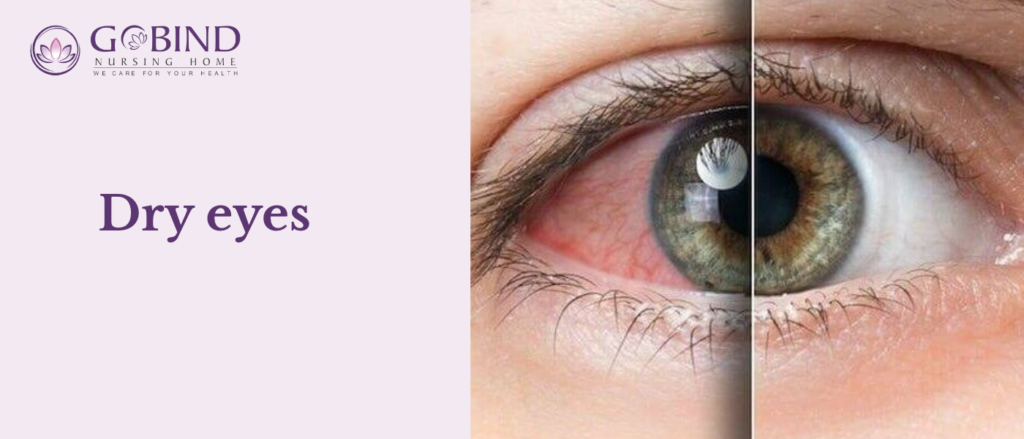
Dry eye symptoms are among the commonly discussed side effects following LASIK.
Patients may temporarily experience:
- Burning or irritation
- A gritty sensation
- Excessive watering
- Fluctuating vision
- Increased sensitivity
These symptoms often improve during the healing period, but people who already have significant dry eye may require special evaluation before undergoing LASIK.
An eye specialist may recommend treating existing dry eye before considering eye surgery.
What Happens During LASIK?
The procedure generally follows several steps.
Step 1: Detailed Eye Examination
Before surgery, your eyes are carefully examined. Measurements of the cornea, prescription, tear film, and other eye parameters help determine whether LASIK is appropriate.
Step 2: Preparing the Eye
Numbing eye drops are used to minimize discomfort during the procedure.
Step 3: Corneal Reshaping
The surgeon uses specialized laser technology to reshape the cornea according to the patient’s individual prescription and eye measurements.
Step 4: Recovery Begins
After the procedure, patients receive instructions regarding medications, eye drops, protective measures, and follow-up appointments.
LASIK Recovery: What to Expect
LASIK recovery is usually relatively quick, but your eyes still need time to heal.
First 24 Hours
Your vision may be blurry or fluctuate immediately after surgery. Some patients experience mild irritation, watering, or sensitivity to light.
It is important to avoid rubbing your eyes and to follow your surgeon’s instructions carefully.
First Few Days
Vision often becomes clearer as the eyes heal. However, dryness and fluctuations in vision can still occur.
Your doctor may prescribe lubricating or medicated eye drops depending on your individual needs.
First Few Weeks
Most people gradually return to their regular activities, but healing continues. Night-time visual symptoms such as glare or halos may occur in some patients during this period.
Follow-Up Appointments
Regular follow-up visits allow your eye doctor to monitor healing and identify any problems early.
How Can You Support a Healthy LASIK Recovery?
Following your surgeon’s instructions is one of the most important parts of recovery.
You should:
- Use prescribed eye drops as directed.
- Avoid rubbing or pressing on your eyes.
- Keep water, dust, and other irritants away from the eyes as advised.
- Follow instructions regarding makeup and strenuous activities.
- Attend all scheduled follow-up appointments.
- Protect your eyes from excessive sunlight when recommended.
- Contact your doctor if you experience unusual or worsening symptoms.
Good eye care does not end after surgery. Maintaining regular eye check-ups remains important even after your vision improves.
When Should You Talk to an Eye Doctor?
If you are considering LASIK, avoid choosing surgery based only on advertisements or someone else’s experience.
A professional evaluation is especially important if you have:
- A changing glasses prescription
- Persistent dry eyes
- Previous eye surgery
- Corneal problems
- Eye infections or inflammation
- Other vision-related concerns
An experienced eye doctor can perform the necessary tests and explain whether LASIK, another refractive procedure, or continued use of glasses may be more appropriate for you.
LASIK Is Not the Same for Everyone
Two people with the same glasses prescription may not necessarily be equally suitable for LASIK. The condition and structure of their eyes can be different.
This is why personalized evaluation is more important than simply asking, “Is LASIK safe?”
The better question is:
“Is LASIK safe and appropriate for my eyes?”
A detailed eye examination can help answer that question.
LASIK vs. Other Eye Treatment Options
LASIK is one option for correcting refractive errors, but it is not the only one. Depending on your eye health and prescription, an eye specialist may discuss alternatives.
These may include:
- Glasses
- Contact lenses
- Other laser vision correction procedures
- Phakic lens procedures in selected patients
The right choice depends on your individual eyes, lifestyle, prescription, and medical requirements.
Why Choosing the Right Eye Care Center Matters
The quality of your evaluation and follow-up care can play an important role in your overall treatment experience.
When considering LASIK or another eye treatment, look for an eye care facility that provides:
- Comprehensive pre-surgery evaluation
- Modern diagnostic technology
- Qualified and experienced eye surgeons
- Clear explanation of benefits and risks
- Proper post-operative monitoring
- Personalized treatment planning
For patients exploring vision correction and other ophthalmic services, Gobind Nursing Home can be considered as part of their local eye-care options. A consultation can help determine what type of eye treatment may be suitable for your individual needs.
Frequently Asked Questions About LASIK
Is LASIK completely risk-free?
No. While LASIK is generally considered safe for suitable candidates, every surgical procedure has potential risks and side effects.
Is LASIK painful?
Numbing eye drops are used during the procedure, so patients generally do not experience significant pain during the surgery. Mild irritation or discomfort may occur afterward.
How quickly can I see after LASIK?
Many patients notice improved vision soon after surgery, but the exact recovery time varies. Vision may fluctuate during the initial healing period.
Can LASIK permanently correct eyesight?
LASIK permanently reshapes the treated corneal tissue, but vision can change naturally over time. Age-related changes may also affect near vision later in life.
Does everyone qualify for LASIK?
No. Eligibility depends on factors such as corneal health, prescription stability, eye condition, and overall suitability.
Final Thoughts
So, is LASIK safe? For carefully selected patients undergoing a thorough evaluation and appropriate treatment, LASIK is generally a safe and effective option for reducing dependence on glasses and contact lenses. However, understanding the potential risks is just as important as knowing the benefits.
The best approach is to avoid making a decision based solely on convenience or promotional claims. Schedule a comprehensive examination with an experienced eye doctor, discuss your expectations, understand the possible risks, and follow the recommended recovery plan.