
Wearing the right prescription glasses is an important part of eye care, but many people are unsure about one simple question: how often should you change your glasses? There is no fixed rule that everyone must follow. Some people may need new glasses every year, while others can comfortably use the same pair for several years.
Your prescription, age, eye health, lifestyle, lens condition, and changes in vision all play a role. Regular eye examinations with an eye doctor can help determine whether your glasses are still providing the correct vision correction.
Whether you wear glasses for nearsightedness, farsightedness, astigmatism, reading, or another vision problem, understanding when to replace them can help protect your vision and improve everyday comfort.
How Often Should You Change Your Glasses?
For many adults, it is a good idea to have their eyes checked at least every 1–2 years, or as recommended by their eye doctor. You may need to replace your glasses when your prescription changes, even if your current frames still look perfectly fine.
However, you do not necessarily need new glasses simply because a year has passed.
Consider replacing your glasses when:
- Your vision has become blurry.
- You are frequently squinting to see clearly.
- You are experiencing headaches while wearing your glasses.
- Your current prescription no longer feels comfortable.
- Your lenses are scratched or damaged.
- Your frames are bent or no longer fit properly.
- You are having difficulty seeing at night.
- Your glasses are affecting your daily activities.
Regular examinations are an important part of eye care because some eye conditions can develop without obvious symptoms.
Why Does Your Glasses Prescription Change?
Your eyes can change over time. A prescription that was correct two years ago may no longer provide the clearest vision today.
Several factors can contribute to changes in your prescription.
Age-Related Vision Changes
As people get older, the natural lens inside the eye gradually becomes less flexible. This can make it harder to focus on nearby objects. This condition, known as presbyopia, commonly develops with age and may require reading glasses or a change in prescription.
Increased Screen Use
Spending long periods looking at computers, smartphones, and tablets can contribute to digital eye strain. While screen use does not necessarily mean your prescription will change, prolonged screen time can cause symptoms such as:
- Eye fatigue
- Dry eyes
- Temporary blurred vision
- Headaches
- Difficulty focusing
Good screen habits are therefore an important part of everyday eye care.
Changes in Eye Health
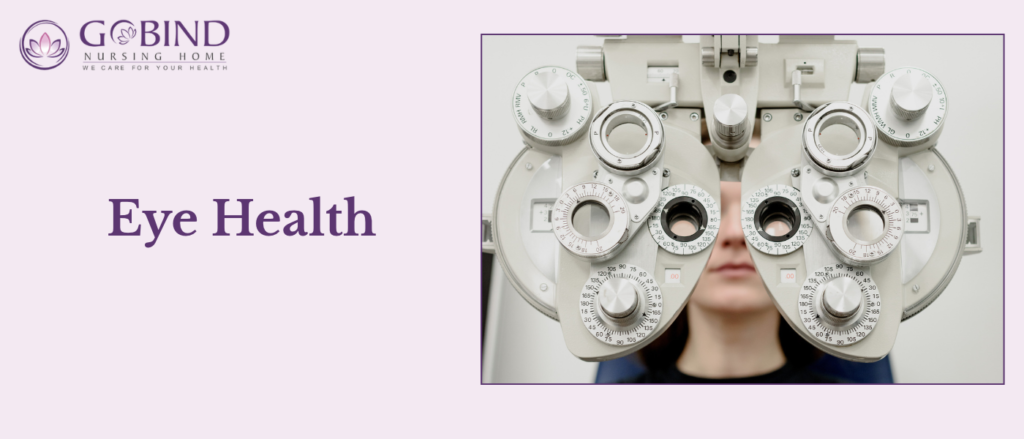
Certain eye conditions can affect vision and may require changes in prescription. If you notice a sudden or significant change in your eyesight, do not simply purchase stronger glasses. Schedule an examination with an eye doctor.
Signs You May Need New Glasses
Your eyes often give you clues when your current glasses are no longer suitable.
1. Your Vision Is Blurry
If objects that previously looked clear now appear blurry, your prescription may have changed. Blurry vision can have several causes, so an eye examination is important.
2. You Are Squinting More Often
Squinting can temporarily make objects appear clearer by reducing the amount of light entering the eye. If you constantly find yourself squinting while wearing your glasses, it may be time for a prescription check.
3. You Get Frequent Headaches
Headaches, especially after reading, working on a computer, or driving, may sometimes be associated with an incorrect prescription or eye strain.
4. Your Eyes Feel Tired
If your eyes feel tired or uncomfortable even after adequate rest, your glasses may not be providing the appropriate correction.
5. Night Vision Becomes Difficult
Difficulty seeing clearly at night, increased glare, or halos around lights can be reasons to have your vision evaluated.
6. Your Glasses No Longer Fit Properly
A prescription is not the only reason to replace glasses. Frames can become loose, bent, uncomfortable, or damaged over time.
Properly fitting glasses should sit comfortably on your nose and ears without constantly slipping.
How Long Do Eyeglass Lenses Last?
There is no universal expiration date for eyeglass lenses. With proper care, good-quality lenses can remain usable for several years.
However, lenses can become scratched or damaged through everyday use. Even small scratches may become distracting, especially when exposed to bright lights.
You should consider replacing your lenses if they have:
- Deep scratches
- Cracks
- Damaged coatings
- Significant cloudiness
- Persistent smudges that cannot be cleaned properly
- Visible damage that interferes with your vision
Remember that cleaning your glasses properly can extend their usable life.
How Often Should Children Change Their Glasses?
Children may need more frequent prescription checks because their eyes can change relatively quickly as they grow.
Parents should pay attention to signs such as:
- Sitting very close to the television
- Holding books unusually close
- Squinting
- Frequently rubbing their eyes
- Complaining of headaches
- Difficulty reading the classroom board
- Avoiding schoolwork or reading
- Tilting their head to see clearly
Children should receive eye examinations according to the recommendations of their pediatrician or eye doctor.
Early detection of vision problems is an important part of children’s eye care.
Glasses vs. Other Eye Treatment Options
Glasses are one of the simplest ways to correct refractive errors, but they are not the only option. Depending on your age, eye health, prescription, and personal preferences, an eye doctor may discuss alternatives such as contact lenses or laser vision correction.
In some cases, patients with specific eye conditions may require specialized eye treatment or eye surgery.
For example, cataract surgery can restore vision affected by a cloudy natural lens, while certain other procedures may be recommended for specific eye diseases. These treatments are different from simply changing prescription glasses and should only be considered after a professional evaluation.
Final Thoughts
So, how often should you change your glasses? For many adults, an eye examination every 1–2 years is a useful general guideline, but the ideal schedule depends on your individual vision and eye health. Children, older adults, and people with certain eye conditions may need more frequent monitoring.
The most important thing is not the age of your glasses—it is whether your current prescription is accurate and your eyes are healthy.
If you are experiencing blurred vision, headaches, eye strain, or difficulty seeing clearly, schedule an examination with an eye doctor rather than simply purchasing a stronger pair of glasses.
For comprehensive eye care, eye treatment, and evaluation of conditions that may require eye surgery, professional assessment is always the safest approach. Gobind Nursing Home can be considered as part of your local healthcare options when seeking professional medical evaluation and eye-related care.