
Children spend a major part of their day reading, writing, using digital screens, and participating in classroom activities. Good vision is therefore essential for learning, concentration, confidence, and overall development. While school eye screenings are a useful first step in identifying children who may have vision problems, they are not a substitute for a comprehensive eye examination by an eye doctor.
A school screening may detect that a child is having difficulty seeing letters on a chart, but it may not identify many other eye conditions that can affect vision. Some problems can remain unnoticed because children often do not realize that their vision is abnormal.
This is why regular eye care, timely evaluation by an eye doctor, and appropriate eye treatment are important for children—even when they have passed a school screening.
What Is a School Eye Screening?
A school eye screening is generally a quick assessment designed to identify children who may have difficulty seeing clearly. It is often conducted at schools to help find students who may need further evaluation.
Depending on the screening program, it may include:
- Reading letters or symbols from a distance
- Checking basic visual acuity
- Identifying children who may have difficulty seeing the classroom board
- Asking simple questions about vision
- Referring children with abnormal results for further examination
The main advantage of school screenings is accessibility. They can help identify children who might otherwise never have their vision checked.
However, screening is designed to find possible problems, not to provide a complete diagnosis.
Why School Eye Screenings Are Not Enough
Passing a school vision screening does not always mean that a child’s eyes are completely healthy. Several important conditions can be missed during a basic screening.
1. Screenings Usually Check Only Basic Vision
One of the biggest limitations of a school screening is that it may focus mainly on visual acuity.
Visual acuity tells us how clearly a person can see at a particular distance. However, healthy vision involves much more than reading letters from a chart.
A comprehensive eye examination may evaluate:
- Near and distance vision
- Eye alignment
- Eye movements
- Focusing ability
- Depth perception
- Color vision
- Eye pressure when appropriate
- The health of the retina and optic nerve
- Other structures of the eye
A child can have good distance vision while still experiencing problems with focusing, eye coordination, or other aspects of visual function.
2. Some Eye Conditions Have No Obvious Symptoms
Children may not complain about their eyesight even when a problem exists.
They may assume that headaches, blurry vision, difficulty reading, or tired eyes are normal. Younger children may not even have the words to explain what they are experiencing.
Some eye conditions can also develop gradually, allowing the child to adapt to changes in vision.
This makes professional eye examinations particularly important.
3. A Child May Have Different Vision in Each Eye
Sometimes one eye sees much better than the other. Because the stronger eye compensates for the weaker one, the child may not notice a significant problem.
A basic screening may not provide enough information to understand the underlying issue.
If a difference in vision between the two eyes remains untreated during childhood, it can contribute to amblyopia, commonly known as lazy eye.
Early detection and appropriate eye treatment can be important because some childhood vision problems are easier to manage when identified at an early age.
4. Refractive Errors May Require a Detailed Assessment
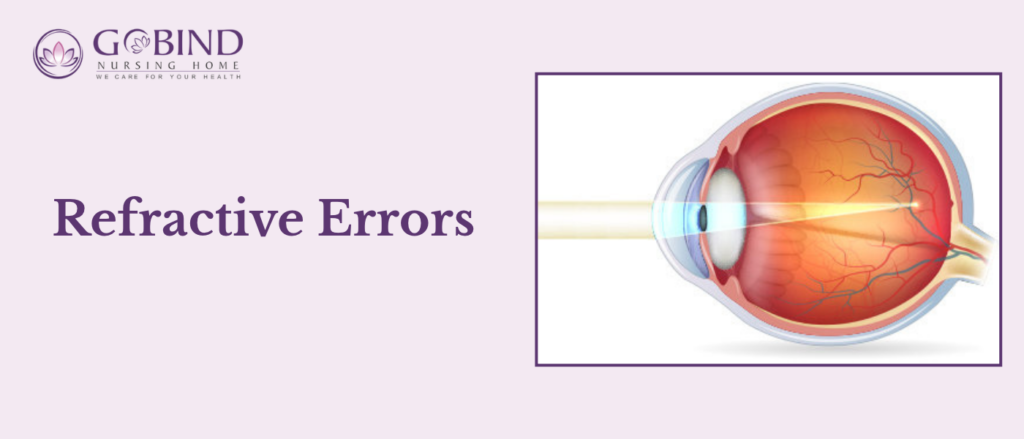
Children can develop refractive errors such as:
- Myopia or short-sightedness
- Hyperopia or long-sightedness
- Astigmatism
A screening can indicate that a child may have difficulty seeing clearly, but a comprehensive examination helps determine the exact prescription and understand whether additional problems are present.
As children grow, their prescription can also change. Regular monitoring can help ensure that their vision correction remains appropriate.
School Performance Can Be Affected by Undetected Vision Problems
Vision and learning are closely connected.
A child who cannot see the board clearly may struggle to copy notes. Another child may have difficulty focusing on a book for long periods. Some children may avoid reading because it causes discomfort.
Possible signs include:
- Frequently rubbing the eyes
- Squinting while looking at distant objects
- Sitting very close to the television or screen
- Holding books unusually close
- Frequent headaches
- Losing their place while reading
- Avoiding reading or writing
- Closing one eye while concentrating
- Difficulty seeing the classroom board
- Complaining of tired or uncomfortable eyes
These signs do not automatically mean that a child has an eye condition, but they are reasons to consider an examination by an eye doctor.
Comprehensive Eye Exams Go Beyond Vision Screening
A comprehensive eye examination is more detailed than a basic school screening. It allows an eye-care professional to evaluate both the child’s vision and the health of the eyes.
What Can a Comprehensive Examination Identify?
Depending on the child’s age, symptoms, and clinical needs, an examination may help identify:
- Refractive errors
- Amblyopia
- Strabismus or crossed eyes
- Focusing difficulties
- Eye coordination problems
- Color vision deficiencies
- Certain abnormalities affecting the retina or optic nerve
- Other conditions requiring monitoring or treatment
The exact tests performed will depend on the child’s age and individual circumstances.
Why Children May Not Tell Parents About Vision Problems
One reason regular eye care is important is that children often do not recognize that they are seeing differently.
Imagine a child whose vision has gradually become blurry. If the change happens slowly, the child may think the way they see is normal.
Children may also avoid mentioning symptoms because they:
- Do not understand what is wrong
- Think everyone sees the same way
- Are worried about wearing glasses
- Do not want to miss school activities
- Assume headaches or eye strain are unrelated to vision
Parents and teachers can therefore play an important role in recognizing warning signs.
Digital Screens Make Regular Eye Care Even More Important
Children today spend considerable time using smartphones, tablets, computers, and other digital devices.
Extended screen use does not necessarily mean that a child has an eye disease, but prolonged near work can be associated with symptoms such as eye fatigue, dryness, headaches, and temporary blurred vision.
Parents can encourage healthy screen habits by:
- Taking regular breaks from near work
- Encouraging outdoor activities
- Maintaining a comfortable viewing distance
- Ensuring appropriate lighting
- Avoiding unnecessary screen use close to bedtime
- Encouraging children to report vision-related discomfort
Good daily habits complement professional eye care; they do not replace an eye examination.
School Screening and Comprehensive Eye Care Should Work Together
It is important not to view school screening and professional eye examinations as competing approaches.
School screening provides an important first layer of protection. It can help identify children who may need additional assessment.
A comprehensive eye examination provides the next level of evaluation.
Think of it this way:
School screening → identifies a possible concern → comprehensive eye examination → diagnosis → appropriate eye treatment or monitoring
This approach helps ensure that children who require additional care are not overlooked.
Final Thoughts
A school eye screening is valuable, but it is only a screening—not a complete eye examination. A child can pass a basic vision test and still have problems involving eye coordination, focusing, alignment, or overall eye health.
That is why parents should look beyond screening results and pay attention to changes in their child’s vision, reading habits, classroom performance, and eye-related complaints.
Regular eye care, timely consultation with an eye doctor, and appropriate eye treatment can help protect children’s vision and support their learning and development.
If your child is showing signs of visual difficulty, do not wait for the next school screening. Consider arranging a comprehensive eye examination and discuss the findings with a qualified professional. Early attention can make a meaningful difference in protecting a child’s vision for the future.
Healthy vision supports better learning, greater confidence, and a brighter future. Make comprehensive eye care a part of your child’s overall health routine.