
Diabetes affects more than just blood sugar levels. Over time, it can also damage the delicate blood vessels and other structures inside your eyes, increasing the risk of blurred vision, diabetic retinopathy, cataracts, glaucoma, and even permanent vision loss. The good news is that regular eye care, proper diabetes management, and timely eye treatment can help protect your eyesight.
One of the biggest challenges with diabetes-related eye problems is that they may develop without noticeable symptoms. You might see clearly and feel that your eyes are healthy while changes are already taking place inside them. This is why regular eye examinations are essential for every person living with diabetes.
This complete patient guide explains how diabetes affects your eyes, which symptoms to watch for, when to visit an eye doctor, and what treatment options may help preserve your vision. Whether you have recently been diagnosed with diabetes or have been managing it for several years, understanding your eye health is an important step towards a healthier future.
How Does Diabetes Affect Eye Health?
Diabetes occurs when the body cannot produce enough insulin or use insulin effectively, causing blood glucose levels to rise. When blood sugar remains high over time, it can damage small blood vessels throughout the body, including those inside the eyes.
The retina is a light-sensitive layer at the back of the eye that helps you see clearly. Its tiny blood vessels are particularly vulnerable to damage caused by uncontrolled diabetes.
Over time, this damage may lead to fluid leakage, bleeding, swelling, or reduced blood supply to the retina. These changes can affect vision and, in advanced cases, cause permanent damage.
According to the National Eye Institute, diabetes can also increase the risk of cataracts and glaucoma. Early detection through regular examinations allows an eye specialist to identify problems before significant vision loss occurs.
Common Eye Problems Associated With Diabetes
1. Diabetic Retinopathy
Diabetic retinopathy is one of the most important eye complications associated with diabetes. It develops when high blood sugar damages the small blood vessels in the retina.
In the early stages, these blood vessels may weaken, swell, or leak fluid. In more advanced stages, abnormal new blood vessels may grow and bleed inside the eye.
Common signs include:
- Blurred or fluctuating vision
- Dark spots or floating shapes
- Difficulty seeing fine details
- Dark or empty areas in the field of vision
- Sudden vision changes in advanced cases
Diabetic retinopathy may not cause symptoms in its early stages. Regular retinal examinations are therefore essential, even when your vision seems normal.
2. Diabetic Macular Edema
The macula is the central part of the retina responsible for sharp, detailed vision. When fluid accumulates in this area because of damaged blood vessels, the condition is called diabetic macular edema.
It can make everyday activities such as reading, recognising faces, using a phone, and driving more difficult.
Possible symptoms include:
- Blurred central vision
- Difficulty reading small print
- Straight lines appearing wavy
- Colours appearing less vivid
An eye specialist may recommend retinal imaging and appropriate treatment, such as medication injections or laser therapy, depending on the condition.
3. Cataracts
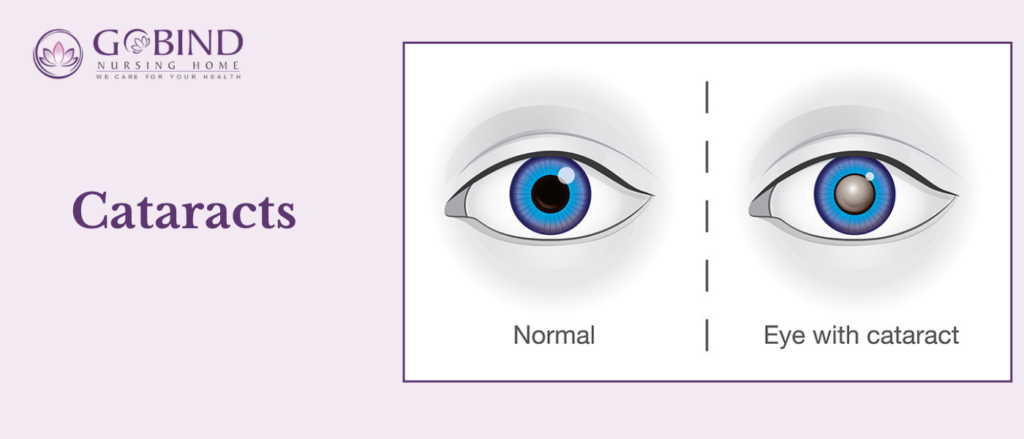
A cataract develops when the normally clear lens inside the eye becomes cloudy. Although cataracts commonly occur with ageing, people with diabetes may develop them earlier or experience faster progression.
Symptoms may include cloudy vision, glare from headlights, difficulty seeing at night, and frequent changes in spectacle prescriptions.
When a cataract significantly interferes with daily activities, eye surgery may be recommended to replace the cloudy natural lens with an artificial lens.
4. Glaucoma
Glaucoma refers to a group of conditions that damage the optic nerve, which carries visual information from the eye to the brain. People with diabetes have an increased risk of developing certain types of glaucoma.
Some forms develop slowly without obvious warning signs. Peripheral vision may gradually deteriorate before the person notices a problem.
Regular eye pressure checks and optic nerve examinations help detect glaucoma. Depending on the diagnosis, treatment may involve eye drops, laser procedures, or surgery.
Warning Signs You Should Never Ignore
Although many diabetes-related eye conditions develop gradually, some symptoms require immediate medical attention.
Contact an eye doctor urgently if you experience:
- Sudden loss or significant reduction of vision
- A sudden increase in floaters or flashes of light
- A dark curtain or shadow across your vision
- Sudden distortion of straight lines
- Severe eye pain or redness, especially with blurred vision
- Sudden changes in vision affecting one or both eyes
Do not wait for these symptoms to disappear on their own. Sudden vision changes can indicate a serious eye condition that requires prompt assessment.
Why Regular Eye Examinations Are Important ?
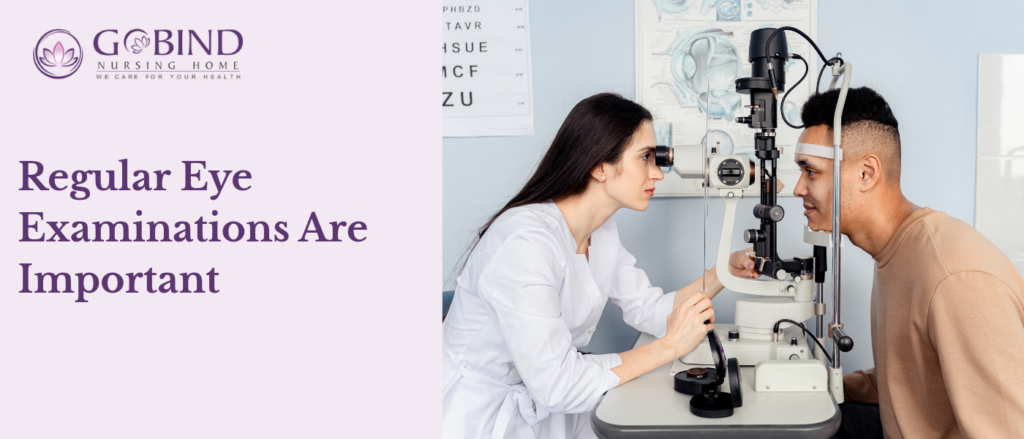
A routine vision test alone may not be sufficient to detect diabetes-related damage inside the eye. A comprehensive examination allows an eye specialist to assess the retina, optic nerve, and other important structures.
What Happens During a Diabetic Eye Examination?
Your eye doctor may perform several tests, depending on your medical history and symptoms.
Visual acuity test: Measures how clearly you can see at different distances.
Dilated eye examination: Special eye drops widen your pupils, allowing the doctor to examine the retina and its blood vessels.
Retinal imaging: Photographs help document changes in the retina and monitor the progression of diabetic eye disease.
Optical coherence tomography (OCT): This non-invasive scan provides detailed images of the retina and helps identify swelling or fluid accumulation.
Eye pressure measurement: Helps assess the risk of glaucoma.
Not every patient requires every test. Your eye specialist will determine which examinations are appropriate.
When Should You Get Your Eyes Checked?
People with diabetes should discuss an appropriate eye examination schedule with their healthcare provider.
- Type 2 diabetes: Arrange a comprehensive dilated eye examination soon after diagnosis.
- Type 1 diabetes: An initial examination is generally recommended within five years of diagnosis, according to standard guidance.
- Existing diabetic retinopathy: More frequent follow-up may be necessary, depending on severity.
- Pregnancy with pre-existing diabetes: Arrange an eye examination promptly and follow your specialist’s recommendations throughout pregnancy.
Many patients need annual examinations, although the interval may vary according to individual risk and previous findings.
Treatment Options for Diabetes-Related Eye Problems
The right eye treatment depends on the condition, its severity, and whether vision has already been affected. Treatment may prevent further damage, preserve remaining vision, or improve sight in selected cases.
Managing Early-Stage Eye Disease
In early diabetic retinopathy, immediate procedures may not be necessary. Your eye specialist may recommend regular monitoring alongside better control of blood sugar, blood pressure, and cholesterol.
Following your diabetes treatment plan is an important part of protecting your eyes.
Eye Injections
Certain medications, including anti-VEGF medicines, may be injected into the eye to treat diabetic macular edema and selected forms of diabetic retinopathy.
These medicines help reduce abnormal blood vessel activity and fluid leakage. Multiple injections or follow-up visits may be needed.
Laser Treatment
Laser therapy may be used to treat selected retinal complications. It can help reduce the risk of further damage from abnormal blood vessels or manage certain areas of retinal leakage.
The choice of laser treatment depends on the specific retinal condition.
When Is Eye Surgery Required?
In advanced cases, surgery may be necessary to manage complications such as significant bleeding inside the eye or retinal detachment.
A procedure called vitrectomy may be recommended when blood or scar tissue interferes with vision or when other serious retinal problems develop.
For cataracts, cataract surgery may help restore clearer vision when clouding of the natural lens significantly affects daily activities.
Not every patient with diabetes needs eye surgery. An experienced eye specialist can explain the benefits, risks, and alternatives based on the individual diagnosis.
Practical Tips to Protect Your Eyes if You Have Diabetes
Good diabetes management is one of the most effective ways to reduce the risk of eye complications.
Follow these practical steps:
- Monitor your blood sugar: Follow your prescribed monitoring schedule and work towards the glucose targets agreed upon with your doctor.
- Manage blood pressure: High blood pressure can increase the risk of retinal damage.
- Keep cholesterol under control: Follow medical advice regarding cholesterol testing, diet, and medication.
- Take prescribed medicines regularly: Do not stop insulin or other diabetes medicines without consulting your healthcare provider.
- Eat a balanced diet: Include vegetables, whole grains, appropriate protein sources, and other nutritious foods suited to your diabetes management plan.
- Stay physically active: Regular physical activity can support blood sugar control and overall cardiovascular health.
- Avoid smoking: Smoking increases health risks and can contribute to vascular damage.
- Attend scheduled eye examinations: Do not skip appointments simply because your vision appears normal.
Remember that healthy habits reduce risk but cannot replace professional eye examinations.
Conclusion
Diabetes and eye health are closely connected, and protecting your vision requires more than simply monitoring your blood sugar. Conditions such as diabetic retinopathy, macular edema, cataracts, and glaucoma may develop gradually and sometimes remain unnoticed until significant damage has occurred.
The most effective approach combines regular eye examinations, consistent diabetes management, healthy daily habits, and timely medical attention when symptoms appear.
Whether you have recently been diagnosed with diabetes or have lived with it for many years, make eye care a regular part of your healthcare routine. Speak with an eye doctor about your individual risk, follow the recommended examination schedule, and never ignore sudden changes in vision.