
Your eyes help you experience the world, from recognizing familiar faces to reading, working, driving, and enjoying everyday activities. Yet, eye health is often overlooked until blurred vision, discomfort, or another problem begins to affect daily life. Proper eye care and regular vision check-ups are essential for maintaining healthy eyesight, identifying potential problems early, and protecting your vision as you age.
Whether you spend long hours in front of a screen, wear glasses, or have a family history of eye disease, understanding how to care for your eyes can make a meaningful difference. From healthy lifestyle habits to professional eye treatment and advanced eye surgery, the right approach to vision care can help you manage existing conditions and reduce the risk of avoidable complications.
This complete guide explains the importance of eye health, common vision problems, preventive measures, and when you should consult an eye doctor.
Why Is Eye Health Important?
Healthy vision plays a vital role in maintaining independence, productivity, and quality of life. Your eyes constantly process visual information, helping your brain understand your surroundings and respond to changes.
However, several eye conditions can develop gradually without obvious symptoms during the early stages. Conditions such as glaucoma, diabetic retinopathy, and certain retinal disorders may affect vision before a person realizes something is wrong.
Regular eye examinations help identify these problems early and allow an eye doctor to recommend suitable care.
Maintaining good eye health can help you:
- Recognize vision changes at an early stage.
- Reduce the risk of complications from certain eye diseases.
- Maintain comfortable vision during work and daily activities.
- Manage existing eye conditions effectively.
- Protect your vision as you grow older.
Understanding Common Eye Problems
Different eye conditions can affect people of all ages. Some are related to refractive errors, while others develop because of infections, injuries, ageing, or underlying health conditions.
1. Refractive Errors
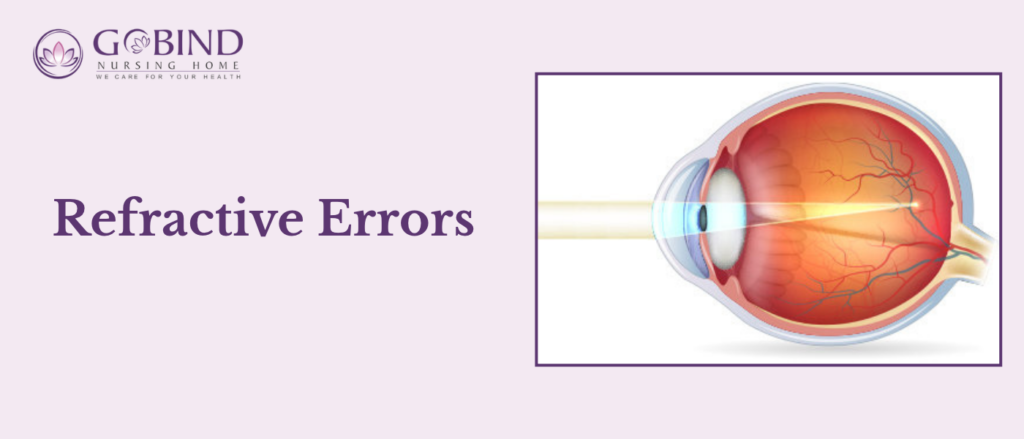
Refractive errors occur when the eye does not focus light correctly on the retina. They are among the most common causes of blurred vision.
The main types include:
- Myopia (short-sightedness): Distant objects appear blurry.
- Hyperopia (long-sightedness): Near objects may appear blurry, depending on its severity.
- Astigmatism: Vision may appear blurred or distorted at different distances.
- Presbyopia: Age-related changes make it difficult to focus on nearby objects.
Glasses, contact lenses, and, for suitable candidates, refractive procedures such as LASIK may help correct these problems. A comprehensive examination helps determine the most appropriate option.
2. Cataracts
A cataract develops when the natural lens inside the eye becomes cloudy. It is commonly associated with ageing but can also occur due to injury, certain medications, or other medical conditions.
Common symptoms include:
- Blurred or cloudy vision
- Difficulty seeing at night
- Increased sensitivity to bright lights
- Halos around lights
- Faded or less vibrant colours
In the early stages, updated glasses or improved lighting may help. When cataracts significantly interfere with daily activities, cataract surgery may be recommended to replace the cloudy natural lens with an artificial intraocular lens.
3. Glaucoma
Glaucoma refers to a group of eye diseases that damage the optic nerve. Elevated eye pressure is an important risk factor, although glaucoma can also occur at normal pressure.
Some forms develop slowly without noticeable early symptoms. Regular examinations are particularly important for people with a family history of glaucoma or other risk factors.
Treatment may involve prescription eye drops, laser procedures, or surgery, depending on the type and severity of the condition.
4. Dry Eye Syndrome
Dry eye occurs when the eyes do not produce enough tears or when tears evaporate too quickly. It may be associated with prolonged screen use, ageing, environmental conditions, certain medications, or other health issues.
Symptoms include burning, itching, redness, a gritty sensation, and fluctuating vision.
An eye doctor can recommend suitable eye drops, lifestyle changes, or other treatments based on the underlying cause.
5. Retinal Disorders
The retina is the light-sensitive tissue at the back of the eye that helps convert light into visual signals.
Conditions affecting the retina include diabetic retinopathy, retinal tears, and retinal detachment. Sudden flashes of light, a rapid increase in floaters, or a curtain-like shadow across the field of vision require urgent medical evaluation.
Prompt eye treatment can be crucial in protecting vision when a serious retinal problem occurs.
Daily Habits for Better Eye Care
Good eye health depends on more than wearing glasses or visiting a clinic. Everyday habits can also support comfortable vision and overall eye wellness.
Eat a Balanced, Nutrient-Rich Diet

A balanced diet provides nutrients that support normal eye function. Include a variety of foods such as:
- Leafy green vegetables, including spinach and kale
- Colourful fruits and vegetables rich in vitamins
- Eggs and other sources of lutein and zeaxanthin
- Fish containing omega-3 fatty acids
- Nuts, seeds, and other nutrient-rich foods
A healthy diet supports general health, which is particularly important for people living with diabetes or other conditions that may affect the eyes.
Follow the 20-20-20 Rule
Extended screen use can contribute to eye strain, dryness, and temporary focusing discomfort.
To make screen use more comfortable, follow the 20-20-20 rule: every 20 minutes, look at something approximately 20 feet away for at least 20 seconds.
You can also:
- Keep your screen at a comfortable distance.
- Adjust brightness to suit the surrounding environment.
- Blink regularly while using digital devices.
- Take frequent breaks during long working sessions.
- Avoid excessive glare from windows or overhead lights.
These steps may reduce digital eye strain, although they do not replace a professional eye examination.
Protect Your Eyes from Injury and Sunlight
Wear appropriate protective eyewear during activities involving flying particles, chemicals, or potential impact. Sunglasses that provide 100% UVA and UVB protection can help reduce exposure to harmful ultraviolet radiation.
Avoid rubbing your eyes with unwashed hands, and follow proper hygiene when using contact lenses.
Eye Care for Different Age Groups
Eye health needs change throughout life, making age-appropriate care important.
Children: Early vision assessments can identify refractive errors, eye alignment problems, and other conditions that may interfere with learning and development.
Working adults: Screen breaks, protective eyewear, healthy habits, and regular examinations help address digital eye strain and emerging vision problems.
People with diabetes: Regular, recommended retinal screening is important because diabetic eye disease may progress without noticeable symptoms.
Older adults: Routine assessments help monitor cataracts, glaucoma, age-related macular degeneration, and other conditions that become more common with age.
A personalized approach to eye care helps address individual needs rather than relying on a single routine for everyone.
Conclusion
Healthy vision is an important part of overall well-being, and protecting it requires consistent attention. A balanced diet, good screen habits, protective eyewear, and regular examinations all contribute to effective eye care.
Understanding common eye conditions also helps you recognize when professional advice is needed. From managing refractive errors and dry eye to treating cataracts, glaucoma, and retinal disorders, timely diagnosis can make a meaningful difference to long-term vision.
Whether you need routine vision correction, specialized eye treatment, or an assessment for eye surgery, consult a qualified eye doctor who can guide you according to your individual needs.
Make eye health a priority today. Regular check-ups and timely medical care are practical steps toward clearer vision and healthier eyes for years to come.