
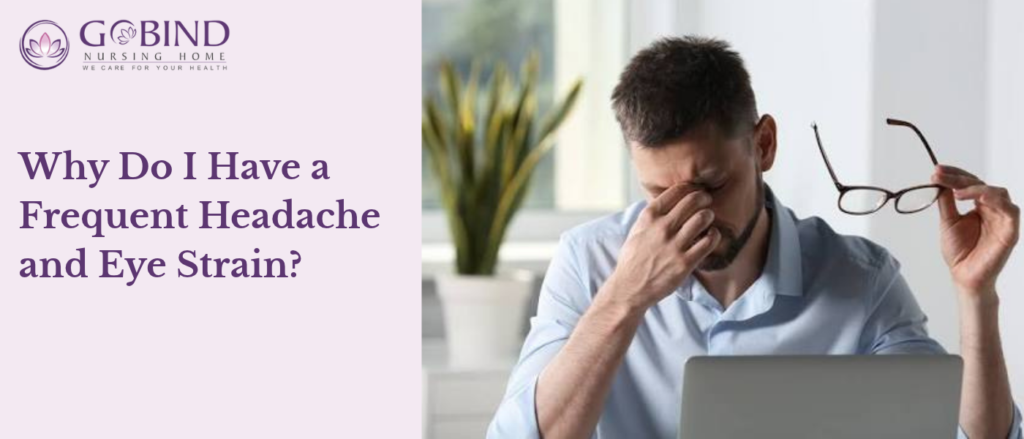
Frequent headaches and eye strain are becoming increasingly common in today’s digital world. Whether you spend hours working on a computer, scrolling through your smartphone, or reading for long periods, your eyes work harder than you may realize. While occasional discomfort is normal, persistent headaches combined with eye strain may indicate an underlying vision problem that requires professional eye care.
Many people assume their headaches are caused by stress or lack of sleep, but in reality, eye-related conditions can also trigger recurring pain. Identifying the exact cause early can help prevent worsening symptoms and improve your overall quality of life.
What Is Eye Strain?
Eye strain, also known as digital eye strain or computer vision syndrome, occurs when your eyes become tired after prolonged use. Unlike serious eye diseases, eye strain itself is not usually dangerous, but it can significantly affect your daily comfort and productivity.
Common symptoms include:
- Headaches
- Burning or watery eyes
- Blurred vision
- Dry eyes
- Difficulty focusing
- Sensitivity to light
- Pain around the eyes or forehead
- Neck and shoulder discomfort
If these symptoms occur frequently, it’s important to schedule a comprehensive eye examination.
Why Do Headaches and Eye Strain Occur Together?

Your eyes and brain work closely together. When your eyes struggle to focus properly, your eye muscles remain under constant stress. Over time, this extra effort can lead to headaches.
Several conditions can cause both symptoms simultaneously.
1. Uncorrected Vision Problems
One of the most common causes is an uncorrected refractive error such as:
- Nearsightedness (Myopia)
- Farsightedness (Hyperopia)
- Astigmatism
- Presbyopia (age-related difficulty reading)
Even a small change in your prescription can force your eyes to work harder throughout the day, resulting in headaches and fatigue.
A regular eye care examination helps detect these problems before they become more severe.
2. Excessive Screen Time
Today’s lifestyle revolves around digital devices.
Many people spend:
- 8–10 hours on computers
- Several additional hours on smartphones
- Evenings watching television
During screen use, we blink less frequently, causing dryness and muscle fatigue.
Common digital eye strain symptoms include:
- Headache after work
- Blurred vision
- Dry eyes
- Difficulty concentrating
- Neck pain
Following healthy screen habits can greatly reduce these symptoms.
3. Incorrect Glasses Prescription
Wearing outdated or incorrect glasses can force your eyes to compensate constantly.
Signs your prescription may need updating include:
- Squinting frequently
- Headaches after reading
- Blurry vision
- Eye fatigue
- Difficulty driving at night
Routine eye examinations ensure your prescription remains accurate.
4. Poor Lighting Conditions
Lighting plays an important role in visual comfort.
Eye strain increases when you:
- Read in dim light
- Face excessive screen glare
- Work under harsh lighting
- Use devices in complete darkness
Simple adjustments to your workspace can reduce unnecessary stress on your eyes.
5. Eye Muscle Imbalance
Some individuals have difficulty coordinating both eyes while reading or focusing on nearby objects.
This condition may cause:
- Double vision
- Frequent headaches
- Reading difficulties
- Eye fatigue
Vision therapy or specialized lenses may be recommended after evaluation.
How to Prevent Frequent Headaches and Eye Strain
Fortunately, many cases can be prevented with simple lifestyle changes.
Follow the 20-20-20 Rule
Every 20 minutes:
- Look at something 20 feet away
- For at least 20 seconds
This relaxes your focusing muscles.
Blink More Often
Blinking spreads tears across your eyes and prevents dryness.
When using computers, consciously remind yourself to blink regularly.
Keep Your Eyes Hydrated
Drink enough water throughout the day.
If recommended by your eye doctor, use lubricating eye drops to relieve dryness.
Wear Corrective Glasses
Never ignore blurred vision.
Updated prescription glasses reduce unnecessary eye muscle strain and improve visual comfort.
Schedule Regular Eye Check-ups
Even if your vision seems normal, comprehensive eye examinations can detect early eye diseases before symptoms become noticeable.
Routine eye care protects both your vision and overall health.
When Should You See an Eye Doctor?
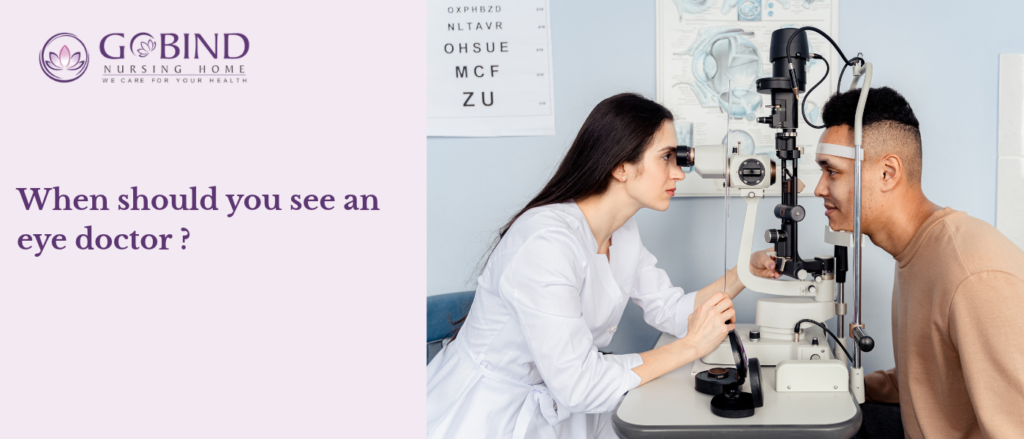
Seek professional evaluation if you experience:
- Headaches several times each week
- Persistent blurred vision
- Double vision
- Sudden vision changes
- Eye pain
- Redness with severe headache
- Flashes or floaters
- Difficulty focusing
Ignoring these symptoms may delay diagnosis of treatable conditions.
An experienced eye doctor can determine whether your symptoms are caused by refractive errors, dry eyes, glaucoma, migraines, or another medical condition.
Conclusion
Frequent headaches and eye strain should never be considered a normal part of everyday life. While prolonged screen use is a common cause, symptoms may also signal underlying vision problems or eye diseases that require medical attention.
Simple lifestyle changes, regular eye examinations, and appropriate eye treatment can make a significant difference. If your symptoms persist or worsen, consult an experienced eye doctor promptly. Early diagnosis and proper eye care can help preserve your vision and ensure long-term eye health.