
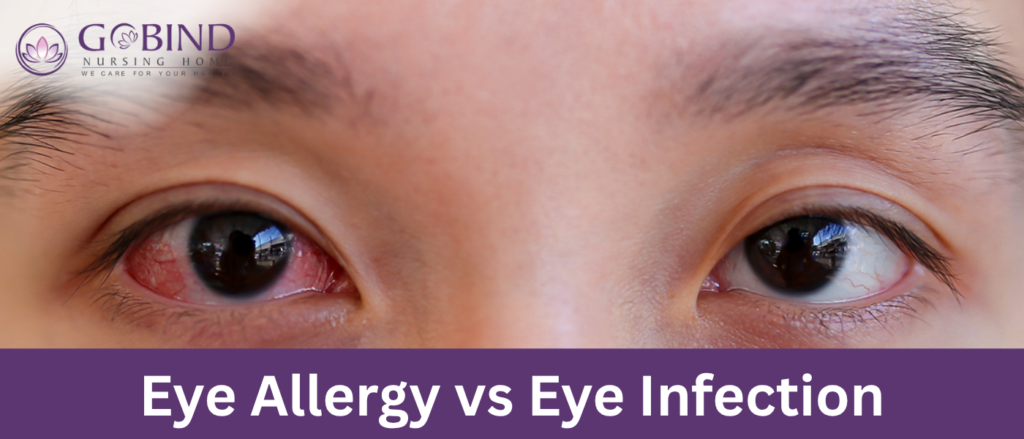
Red, itchy, or watery eyes can signal either an eye allergy or an eye infection, but distinguishing between them is crucial for proper treatment. Misdiagnosis can lead to prolonged discomfort or complications, so understanding the differences between Eye Allergy vs Eye Infection supports better eye care.
Understanding Eye Allergy
Eye allergies, or allergic conjunctivitis, occur when your eyes react to allergens like pollen, dust, pet dander, or mold. This immune response releases histamine, causing inflammation primarily on the conjunctiva—the thin membrane covering the white part of the eye and inner eyelids.
Common triggers include seasonal changes (hay fever), indoor irritants, or cosmetics. Unlike infections, allergies aren’t contagious and often affect both eyes simultaneously. Symptoms peak during exposure and subside when allergens are removed.
Proper eye care from specialists at an eye care centre can prevent chronic issues. Visiting an eye hospital ensures accurate diagnosis through allergy testing.
Recognizing Eye Infection
Eye infections, such as bacterial or viral conjunctivitis (pink eye), stem from pathogens invading the eye’s surface. Bacteria like staphylococcus or viruses like adenovirus cause these, often spreading via contact with contaminated hands, towels, or surfaces.
They typically start in one eye and may spread to the other. Fungal or parasitic types are rarer but more severe, especially in contact lens wearers or immunocompromised individuals. Prompt intervention by eye surgeons is vital to avoid corneal damage or vision loss.
At the best eye hospital in Hisar, Haryana, Gobind Eye Care, eye specialists provide targeted antibiotics or antivirals.
Eye Allergy vs Eye Infection symptoms
| Feature | Eye Allergy | Eye Infection |
| Primary Symptom | Intense itching | Pain or gritty feeling |
| Redness | Mild to moderate, both eyes | Severe, often one eye first |
| Discharge | Clear, watery tears | Thick, yellow/green, crusty |
| Swelling | Eyelids puffy, with tearing | More pronounced, with light sensitivity |
| Contagious? | No | Yes, highly |
| Other Signs | Runny nose, sneezing | Fever, blurred vision possible |
This table highlights why self-diagnosis fails—overlapping redness confuses many, but discharge and itch levels differentiate them.
Causes and Risk Factors
Allergies arise from hypersensitivity; your body mistakes harmless particles for threats. Genetics play a role—those with asthma or eczema are prone.
Infections thrive in unclean environments. Risk factors include poor hygiene, sharing makeup, or improper contact lens use. Viral types surge in schools or during colds.
Eye care centres emphasize hygiene education. Gobind Eye Care in Hisar, Haryana, offers preventive screenings as the best eye hospital in Hisar.
Diagnosis at an Eye Care Centre
Doctors at an eye hospital use slit-lamp exams to inspect the conjunctiva. Allergy tests like skin pricks or blood work identify triggers. For infections, swabs confirm bacteria or viruses.
Eye specialists differentiate via symptom history—bilateral itching suggests allergy; unilateral pain points to infection. Early visits to Gobind Eye Care prevent escalation.
Treatment Options for Eye Allergies
Avoid allergens: stay indoors on high-pollen days, use air purifiers, and wash hands. Over-the-counter antihistamine drops like olopatadine relieve itch within minutes.
Cold compresses reduce swelling. Prescription mast cell stabilizers or steroids handle severe cases, but only under eye surgeon guidance to avoid side effects.
Regular eye care at an eye hospital maintains long-term health.
Treatment for Eye Infections
Bacterial cases need antibiotic drops or ointments complete the course to prevent resistance. Viral infections self-resolve in 1-2 weeks; supportive care includes artificial tears.
Fungal infections require oral meds. Avoid contact lens wear until cleared.
Home Remedies and Prevention
For Allergies:
- Rinse eyes with saline.
- Apply cool compresses (ice wrapped in clean towel)
- Wear protective sunglasses outdoors.
For Infections:
- Clean the crust with warm water.
- Discard old makeup/contact lens
- Wash hands frequently.
Prevent both via UV-protective eyewear and humidity control.
When to See Eye Specialists
Seek immediate care if pain, vision changes, or light sensitivity occur—these signal infection complications like keratitis. Allergies rarely cause vision loss but can if chronic.
Children or contact lens wearers need urgent evaluation. Visit an eye surgeon at Gobind Eye Care, the best eye hospital in Hisar, Haryana, for expert diagnosis.
Why Choose Gobind Eye Care?
Nestled in Hisar, Haryana, Gobind Eye Care stands as the premier eye hospital in Hisar, offering state-of-the-art diagnostics and personalized care. Our eye specialists and surgeons handle allergies and infections with precision, using advanced tools for quick recovery.
From allergy diagnosis, infection eradication, we prioritize patient comfort. As a leading eye care centre, we serve Delhi and Haryana residents with compassionate service. Book at Gobind Eye Care for unmatched eye care.
For personalized advice, consult eye specialists at Gobind Eye Care.