
A child’s vision plays a major role in how they learn, move, communicate, and understand the world around them. Children’s vision development begins from birth and continues throughout childhood as the eyes and brain learn to work together. While many vision problems can be corrected successfully when detected early, some may go unnoticed because children often do not realize that their vision is abnormal.
For parents, understanding normal vision development, recognizing warning signs, and scheduling regular eye examinations are important parts of good eye care. Early guidance from an eye doctor can help identify problems such as myopia, lazy eye, squint, focusing difficulties, or other eye conditions before they interfere with a child’s learning and development.
Whether your child needs glasses, routine monitoring, eye treatment, or specialized care, timely attention can make a significant difference.
Understanding Children’s Vision Development
Vision is not fully developed at birth. A newborn’s eyesight is relatively limited, and the visual system gradually matures during the first several years of life.
During infancy, babies begin learning to focus on objects and recognize faces. As they grow, their ability to track moving objects, judge distances, identify colors, and coordinate both eyes improves.
By school age, most children have developed much stronger visual skills. However, the visual system continues to develop, which is why identifying problems early is so important.
How Vision Develops During Childhood ?
Children generally experience several important stages:
- Newborn stage: Vision is blurry, and babies primarily notice light, movement, and faces nearby.
- First year: Eye coordination and focusing abilities improve rapidly.
- Toddler years: Children become better at judging distance and following objects.
- Preschool years: Hand-eye coordination and visual recognition become more advanced.
- School age: Clear distance and near vision become increasingly important for reading, writing, sports, and classroom activities.
Every child develops differently, but significant or persistent vision problems should be evaluated by an eye doctor.
Why Good Eye Care Is Important for Children
Children depend heavily on their vision for education and everyday activities. Reading books, looking at classroom boards, recognizing faces, drawing, using digital devices, and playing outdoors all require healthy vision.
A child with an undetected vision problem may struggle academically or avoid activities that require clear vision. Sometimes parents may assume that the child is simply inattentive, but the underlying issue may actually be visual.
Good eye care helps parents identify potential problems before they become more difficult to manage.
Common Vision Problems in Children
Several eye conditions can affect children. Some are temporary or easily corrected, while others require long-term monitoring.
Myopia or Short-Sightedness
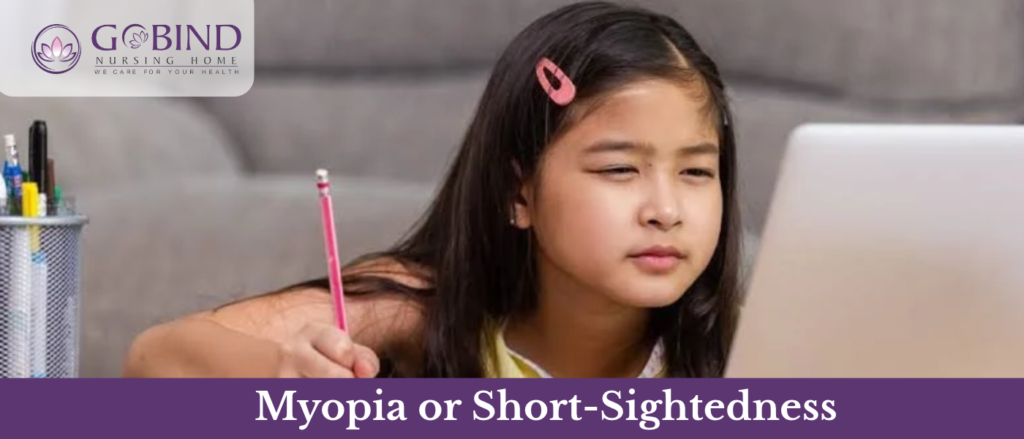
Myopia makes distant objects appear blurry. Children with myopia may have difficulty seeing the classroom board, recognizing people from a distance, or watching television clearly.
An eye doctor can perform a comprehensive eye examination and recommend appropriate management.
Hyperopia
Hyperopia, or long-sightedness, can make close-up activities more difficult. Mild hyperopia can sometimes occur naturally in young children, but significant levels may affect reading and focusing.
Amblyopia or Lazy Eye
Amblyopia occurs when one or both eyes do not develop normal visual strength during childhood. It may be associated with unequal vision between the eyes, squint, or other eye problems.
Early detection is particularly important because treatment is generally more effective while the visual system is still developing.
Strabismus or Squint
Strabismus occurs when the eyes do not align properly. One eye may turn inward, outward, upward, or downward.
Parents should not assume that a persistent eye turn will simply disappear with age. A professional examination can determine whether eye treatment is necessary.
Astigmatism
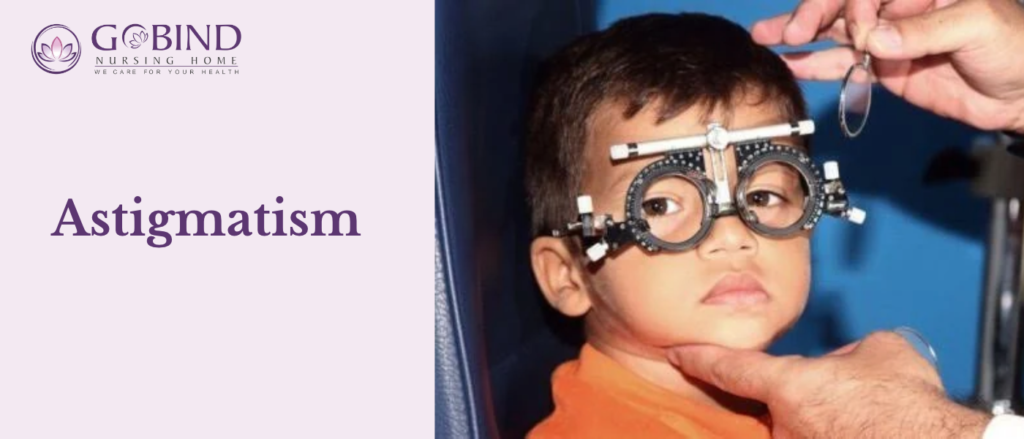
Astigmatism can cause blurred or distorted vision because of an irregular shape of the cornea or lens. It can occur alongside myopia or hyperopia.
Children may not always complain about blurry vision, making regular examinations useful.
Signs That Your Child May Have a Vision Problem
Children do not always know how to explain that they cannot see clearly. Parents should watch for behavioral signs.
Contact an eye doctor if your child frequently:
- Squints when looking at distant objects
- Holds books or screens unusually close
- Frequently rubs their eyes
- Complains of headaches after reading
- Closes one eye while focusing
- Tilts or turns their head to see
- Loses their place while reading
- Avoids reading or other close-up activities
- Frequently bumps into objects
- Has difficulty seeing the board at school
- Complains of double vision
- Has an eye that consistently turns in or out
- Experiences frequent eye discomfort or watering
One sign alone does not necessarily mean there is a serious problem, but persistent symptoms deserve professional attention.
When Should Children Have Their Eyes Checked?
Parents often wait until their child complains about vision. However, children may not report problems because they believe their vision is normal.
A professional eye examination can detect problems that may not be obvious at home.
Children may benefit from eye examinations:
- During infancy when recommended by their pediatric or eye-care professional.
- Before starting school or during the early school years.
- Whenever parents, teachers, or children notice possible vision difficulties.
- At regular intervals recommended by an eye-care professional.
Children with a family history of certain eye conditions or existing vision concerns may need more frequent monitoring.
Children’s Eye Health and Screen Time
Digital devices are now a normal part of childhood. Smartphones, tablets, computers, and televisions can increase the amount of time children spend focusing on nearby objects.
Long periods of screen use may contribute to temporary eye strain, dryness, headaches, or discomfort.
Parents can encourage healthier screen habits by:
- Encouraging regular breaks.
- Following the 20-20-20 approach: after about 20 minutes of near work, look at something around 20 feet away for about 20 seconds.
- Keeping screens at a comfortable viewing distance.
- Encouraging outdoor play and physical activity.
- Ensuring children have adequate lighting while reading or using screens.
- Discouraging unnecessary screen use close to bedtime.
Screen habits should be considered part of overall eye care, rather than the only factor affecting children’s vision.
Nutrition and Children’s Eye Health
A balanced diet supports overall health, including healthy eye development. Children should receive a variety of nutrients through a balanced diet containing fruits, vegetables, whole grains, proteins, and other nutritious foods.
Instead of relying on supplements without professional advice, parents should focus on healthy eating habits. If a child has a nutritional concern, discussing it with a qualified healthcare professional is appropriate.
What Happens During a Child’s Eye Examination?
A children’s eye examination is more than simply asking a child to read letters from a chart.
Depending on the child’s age and needs, an eye doctor may evaluate:
- Visual acuity
- Eye alignment
- Eye movement
- Focusing ability
- Binocular vision
- Refractive errors
- Eye health
- The development of both eyes
For some children, additional testing may be recommended to obtain a more accurate assessment.
The examination is generally designed according to the child’s age and ability to respond.
Why Early Eye Treatment Matters
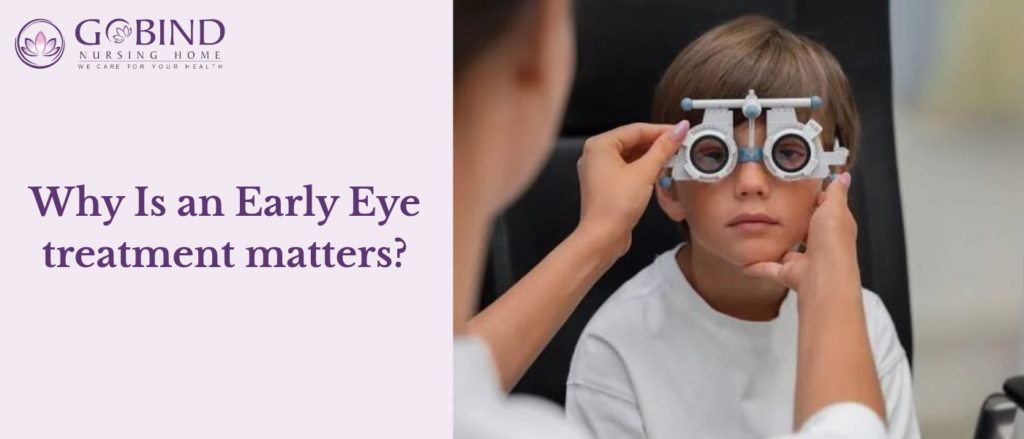
Some childhood eye conditions can affect the development of vision if they remain untreated for too long. Early diagnosis allows an eye-care professional to determine the appropriate approach.
Eye treatment varies according to the condition. Depending on the diagnosis, it may include:
- Prescription glasses
- Patching or other treatment for amblyopia
- Vision monitoring
- Management of refractive errors
- Treatment for eye infections or inflammation
- Specialist referral when required
- In selected cases, eye surgery
Not every childhood eye problem requires surgery. Surgery is considered only when medically appropriate and after a proper evaluation.
Can Children Need Eye Surgery?
In some situations, eye surgery may be recommended for children. This can happen with certain types of strabismus, congenital eye conditions, cataracts, or other structural or functional problems.
The decision depends on the child’s age, diagnosis, severity, and overall eye health.
Parents should discuss the benefits, risks, alternatives, and expected recovery with a qualified eye specialist before proceeding with any surgical treatment.
Choosing the Right Eye Care Facility
When your child needs professional evaluation, choosing an experienced and properly equipped healthcare facility is important. Parents may consider established centers such as Gobind Nursing Home for eye-related consultation and care.
The right facility should provide age-appropriate examinations, qualified eye-care professionals, appropriate diagnostic equipment, and clear communication with parents about the child’s condition and treatment options.
How Parents Can Support Healthy Vision
Parents can make children’s eye health part of their everyday routine.
Simple habits to encourage
- Schedule recommended eye examinations.
- Pay attention to changes in your child’s behavior.
- Encourage outdoor activities.
- Create healthy screen-time habits.
- Provide good lighting for reading and studying.
- Encourage children to wear prescribed glasses consistently.
- Teach children not to rub their eyes unnecessarily.
- Protect their eyes during activities where injury is possible.
- Follow the treatment plan recommended by the eye-care professional.
Final Thoughts
Children’s vision development is a gradual process, and healthy vision is essential for learning and everyday life. Because children may not recognize or communicate vision problems, parents play an important role in noticing warning signs and arranging timely examinations.
Regular eye care, professional assessment by an eye doctor, and appropriate eye treatment can help protect a child’s developing vision. Whether the solution involves observation, glasses, medical treatment, or, in selected cases, eye surgery, early professional guidance can make the process safer and more effective.