
Eye makeup enhances appearance but can harm eye health if mishandled. Proper practices ensure beauty without risking vision, especially with guidance from eye care experts.
Common Risks of Eye Makeup
Eye makeup like mascara and eyeliner often disrupts the tear film, leading to dryness and irritation. Chemicals or preservatives trigger redness, itching, and burning, particularly in sensitive eyes.
Bacteria thrive in shared or expired products, causing infections such as conjunctivitis or styes. Allergic reactions swell eyelids and inflame tissues around the eyes.
Eye care centres stress that improper removal leaves residues, blocking glands and worsening symptoms over time.
Dry Eye Syndrome from Makeup
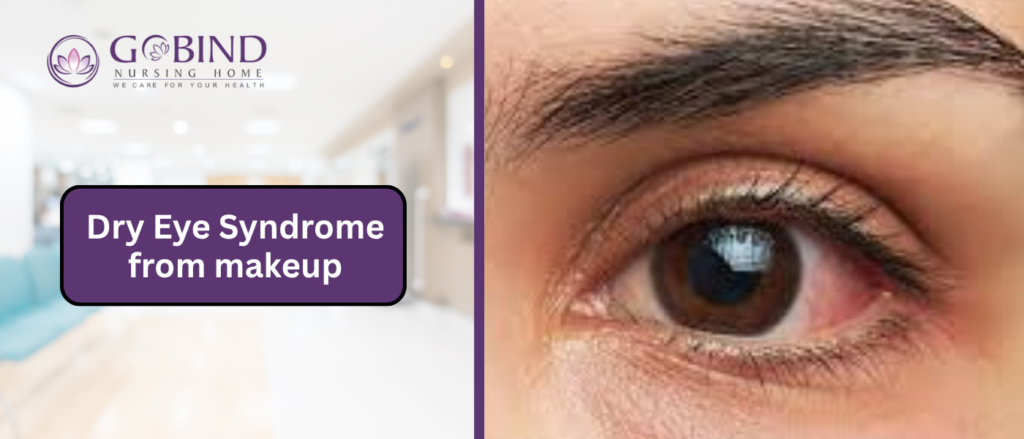
Frequent makeup use clogs meibomian glands, reducing oil in tears and causing dry eye syndrome. Gritty sensations, light sensitivity, and blurred vision follow prolonged exposure.
Inner-lid application pushes pigments into the eye, destabilizing the ocular surface. Studies show this heightens chronic dryness risks for daily users.
Eye specialists at places like Gobind Eye Care recommend hypoallergenic products and regular check-ups to manage this.
Infections Linked to Makeup Habits
Contaminated mascara or eyeliner spreads bacteria, leading to blepharitis or corneal ulcers. Sharing brushes during salon visits amplifies pink eye risks.
Sleeping with makeup traps debris overnight, inflaming eyelids and inviting styes. Ophthalmologists note these habits silently damage delicate eye structures.
For infections, consult an eye surgeon promptly; the best eye hospital in Hisar, Haryana, offers swift diagnostics.
Allergic Reactions and Chemical Irritants
Preservatives like parabens, fragrances, and phthalates provoke contact dermatitis, with red, swollen lids. Glitter or heavy kohl scratches corneas if flakes enter the eye.
Contact lens wearers face amplified issues, as makeup migrates under lenses, fostering microbial growth. This combo disrupts tear stability and invites severe irritation.
Eye care professionals advise patch-testing products and seeking eye hospital advice for persistent allergies.
Long-Term Eye Health Impacts
Chronic makeup misuse accelerates eyelid inflammation and gland dysfunction, potentially leading to permanent dry eye. Toxins may contribute to corneal damage over years.
Research links prolonged exposure to higher infection rates and sensitivity. Vulnerable groups, like those with prior conditions, need vigilant eye care.
Eye specialists emphasize annual exams at an eye care centre to catch early changes from cosmetic use.
Safe Makeup Application Tips
Choose ophthalmologist-tested, hypoallergenic products free of harsh chemicals. Apply only outside the lash line to avoid gland blockage.
Replace mascara every three months and eyeliners seasonally to curb bacteria. Use fresh applicators and avoid saliva or water to “revive” dried formulas.
Remove makeup nightly with gentle, oil-free removers to prevent residue buildup.
Storage and Hygiene Practices
Store cosmetics in cool, dry places away from humidity to slow bacterial growth. Clean brushes weekly with mild soap and replace sponges often.
Never share eye products, even with friends, to block infection transmission. Carry personal kits to salons for control.
These steps, paired with eye care centre visits, maintain safety.
Makeup with Contact Lenses
Apply makeup after inserting lenses to minimize particle transfer. Use cream shadows over powders and waterproof formulas to reduce flaking.
Remove lenses before makeup application if possible, and clean them thoroughly nightly. Avoid lining inside lower lids with contacts in place.
Eye surgeons warn against this duo without precautions, urging professional fittings at Gobind Eye Care.
When to Seek Professional Help
Visit an eye hospital if irritation lasts over 48 hours, vision blurs, or discharge appears. Swelling, pain, or light sensitivity demands urgent eye specialist consultation.
Gobind Eye Care stands out as a premier eye care centre with skilled eye specialists for comprehensive care.
Choosing Safer Eye Products
Scan labels for “non-comedogenic” and “fragrance-free” markers. Organic options minimize irritants while delivering beauty benefits.
Opt for water-based mascaras and gel liners less prone to clumping. Prioritize brands tested for ocular safety.
Eye Care Routine Integration
Balance makeup with daily eye care: use lubricating drops, blink often during screen time, and hydrate well. Schedule biannual visits to an eye care centre.
In polluted Haryana, combine this with pollution shields for optimal health. Gobind Eye Care’s eye surgeons guide personalized regimens.
Professional Treatments Available
Advanced therapies like gland expression or intense pulsed light treat stubborn dry eyes from makeup. Laser options address chronic inflammation.
Prioritize eye hospital care for lasting vision protection amid beauty routines.