
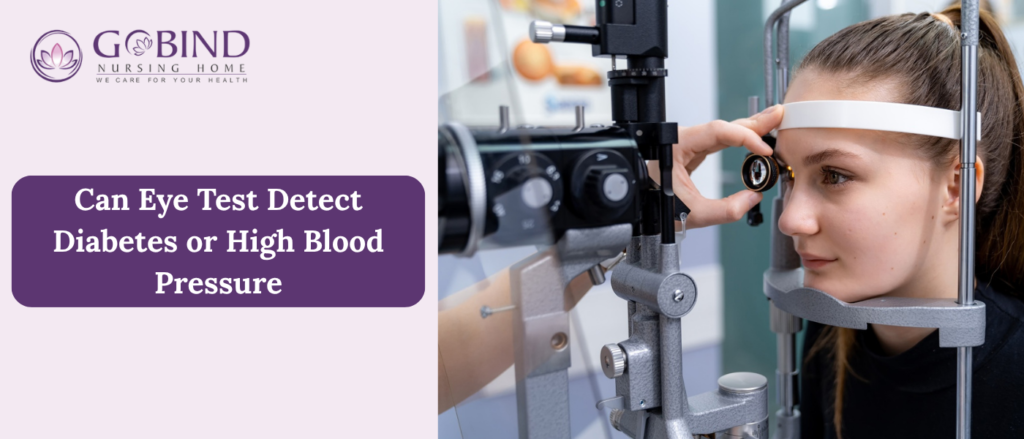
Maintaining good eye health is not just about clear vision—it can also reveal important clues about your overall well-being. Many people are surprised to learn that a routine visit to an eye specialist at an eye hospital can help detect serious systemic conditions like diabetes and high blood pressure. Modern eye care goes beyond vision correction; it plays a crucial role in early diagnosis and prevention of life-threatening diseases.
At trusted centers like Gobind Eye Care, comprehensive eye examinations are designed not only to assess vision but also to evaluate the health of blood vessels and nerves inside the eye. This makes eye treatment an essential part of preventive healthcare.
How Are the Eyes Connected to Overall Health?
The eyes are the only place in the body where doctors can directly view blood vessels without surgery. During a detailed eye examination, an eye specialist can observe:
- Blood vessels (arteries and veins)
- Optic nerve health
- Retina condition
- Signs of inflammation or damage
These structures often show early signs of diseases like diabetes and hypertension before symptoms appear elsewhere in the body.
Can Eye Tests Detect Diabetes?
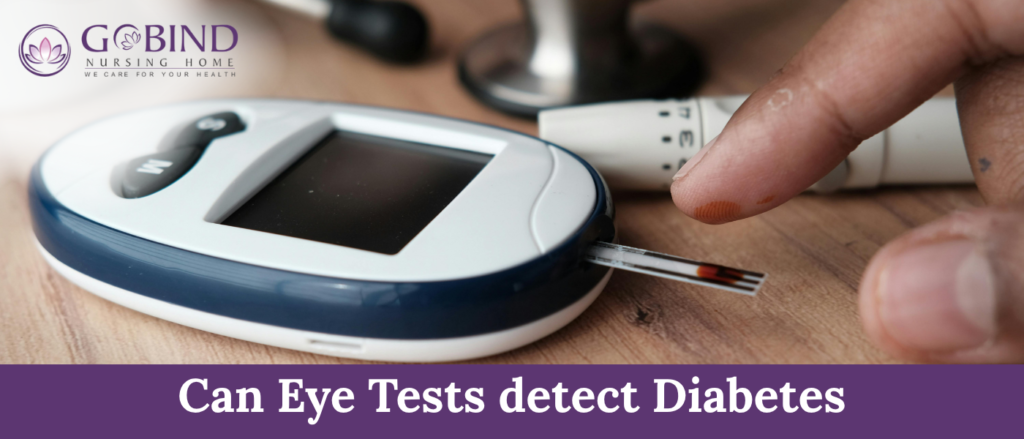
Understanding the Link Between Diabetes and Eye Health
Diabetes affects how your body controls blood sugar levels. Over time, high blood sugar can damage blood vessels, including those in the eyes. This condition is known as diabetic retinopathy, one of the leading causes of vision loss.
An experienced eye specialist can detect early signs of diabetes during a routine eye checkup, sometimes even before the patient is aware of having the condition.
Signs of Diabetes Detected in Eye Exams
During an eye examination at an eye hospital, doctors may identify:
- Swelling of the retina
- Leaking blood vessels
- Microaneurysms (tiny bulges in blood vessels)
- Abnormal blood vessel growth
- Bleeding inside the eye
These changes are clear indicators of diabetic damage and can prompt further medical testing.
Types of Eye Tests Used to Detect Diabetes
At advanced eye care centers like Gobind Eye Care, several diagnostic tests are used:
1. Dilated Eye Examination
- Eye drops are used to widen the pupils
- Allows a clear view of the retina
- Helps detect early diabetic changes
2. Fundus Photography
- Captures detailed images of the retina
- Tracks progression over time
3. Optical Coherence Tomography (OCT)
- Provides cross-sectional images of the retina
- Detects swelling or fluid buildup
4. Fluorescein Angiography
- Highlights blood flow in retinal vessels
- Identifies leaks or blockages
Can Eye Tests Detect High Blood Pressure?
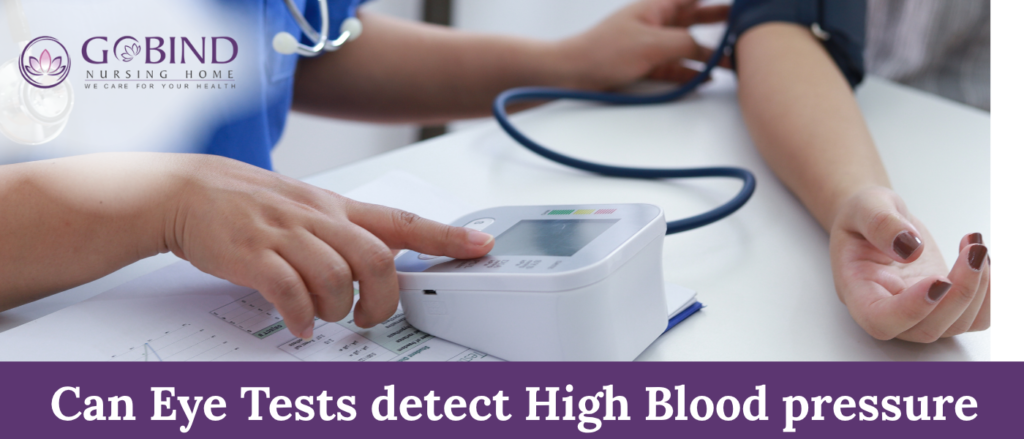
The Connection Between Hypertension and Eye Health
High blood pressure, also known as hypertension, can cause damage to blood vessels throughout the body, including those in the eyes. This condition is called hypertensive retinopathy.
Routine visits to an eye hospital can help detect these changes early, often before noticeable symptoms develop.
Signs of High Blood Pressure in Eye Exams
An eye specialist may observe the following signs:
- Narrowed blood vessels
- Bleeding in the retina
- Swelling of the optic nerve
- Cotton wool spots (areas of nerve damage)
- Hard exudates (fatty deposits)
These signs indicate that blood pressure levels may be dangerously high and require immediate medical attention.
Why Early Detection Through Eye Tests Matters?
Early detection is crucial for both diabetes and high blood pressure. Many people live with these conditions without symptoms until complications arise.
Benefits of Early Detection Through Eye Care
- Prevents vision loss
- Reduces risk of complications
- Allows timely medical intervention
- Improves overall health outcomes
Visiting a trusted center like Gobind Eye Care ensures that your eye treatment plan includes screening for systemic conditions.
Who Should Get Regular Eye Tests?
Regular eye exams are essential for everyone, but certain groups should be more vigilant:
High-Risk Individuals
- People with a family history of diabetes or hypertension
- Individuals over the age of 40
- Overweight or obese individuals
- Smokers
- People with existing health conditions
Recommended Frequency of Eye Exams
- Healthy adults: Every 1–2 years
- Diabetic patients: At least once a year
- High blood pressure patients: As advised by an eye specialist.
Symptoms You Should Never Ignore
Even though many eye-related signs of systemic diseases are asymptomatic, some warning signals require immediate attention:
- Blurred vision
- Sudden vision loss
- Floaters or dark spots
- Eye pain or pressure
- Frequent headaches
If you notice any of these symptoms, visit an eye hospital immediately for proper eye treatment.
How Eye Specialists Help in Diagnosis?
An eye specialist plays a vital role in identifying underlying health issues through detailed examinations. Their expertise allows them to:
- Detect early signs of systemic diseases
- Recommend further medical tests
- Coordinate with general physicians or specialists
- Provide preventive and corrective eye care
At Gobind Eye Care, advanced diagnostic tools and experienced professionals ensure accurate detection and effective management.
Preventing Eye Damage from Diabetes and Hypertension
Prevention is always better than cure. Protecting your eye health involves both medical care and lifestyle changes.
Healthy Lifestyle Tips
- Maintain balanced blood sugar levels
- Monitor blood pressure regularly
- Eat a healthy, balanced diet
- Exercise regularly
- Avoid smoking and excessive alcohol
- Get routine eye checkups
Importance of Timely Eye Treatment
Delaying eye treatment can lead to irreversible damage. Early-stage conditions are often manageable, but advanced stages may require complex procedures.
Role of Advanced Eye Care Centers
Modern eye hospitals like Gobind Eye Care offer:
- State-of-the-art diagnostic equipment
- Specialized retinal care
- Comprehensive screening programs
- Personalized treatment plans
These facilities ensure that patients receive high-quality eye care that addresses both vision and overall health.
Conclusion
So, can eye tests detect diabetes or high blood pressure? The answer is a clear yes. A routine visit to an eye specialist at a reliable eye hospital can uncover early signs of these serious health conditions—often before symptoms appear.
Your eyes are not just windows to the world—they are also windows to your health. Prioritizing regular checkups at trusted centers like Gobind Eye Care can help protect your eye health, detect underlying issues early, and ensure timely eye treatment.