
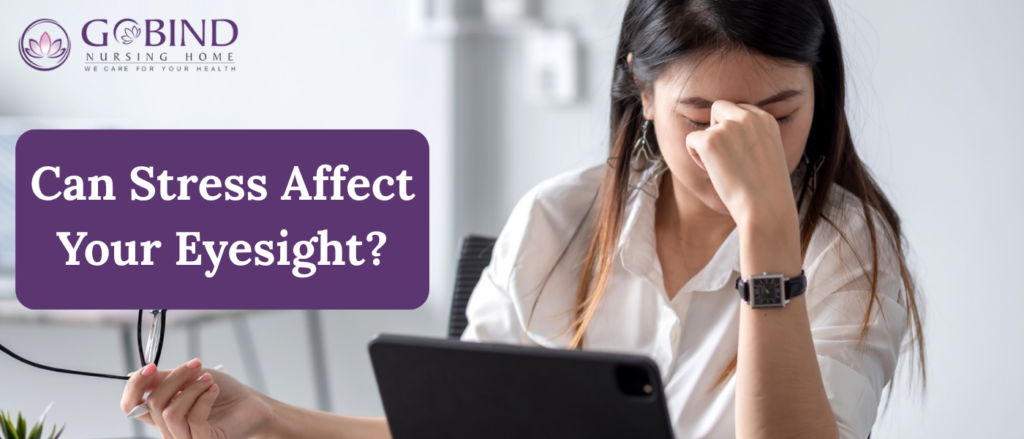
Yes, stress can significantly impact your eyesight, causing temporary issues like blurred vision and eye strain, or contributing to long-term conditions such as glaucoma. In todays fast-paced lifestyle, where work pressures mount, understanding this mind-eye connection is key to proactive eye care.
How Stress Triggers Eye Problems?
Chronic stress releases hormones like cortisol and adrenaline, which tense eye muscles and reduce tear production, leading to dry eyes and discomfort. This “fight-or-flight” response dilates pupils, heightens light sensitivity (photophobia), and disrupts blood flow to the retina, often resulting in blurry or tunnel vision.
Prolonged exposure creates a vicious cycle: vision issues amplify anxiety, worsening stress and ocular damage. Eye specialists note that in regions like Hisar, Haryana, where dusty environments compound these effects, early intervention at an eye care centre is crucial.
Common Stress-Related Vision Symptoms
- Blurred vision from adrenaline-induced pressure changes, mimicking presbyopia or anxiety attacks.
- Eye strain and headaches due to muscle spasms around the eyes, especially from screen time.
- Dry eyes and reduced blinking, as stress inhibits natural lubrication.
- Light sensitivity and twitching eyelids from constant pupil dilation.
- Temporary tunnel vision, where peripheral sight narrows under extreme worry.
These symptoms often resolve with stress relief but signal the need for professional eye care if persistent.
Long-Term Risks to Eyesight
Unchecked stress elevates intraocular pressure, a risk factor for glaucoma and optic neuropathy. It may also trigger central serous chorioretinopathy (CSR), where fluid builds under the retina, causing permanent vision spots.
Studies link depression and anxiety to faster glaucoma progression and retinal cell death from oxygen deprivation. At the best eye care centre in Hisar, such as Gobind Eye Care, eye surgeons use advanced tonometry to detect these early.
Stress and Dry Eye Syndrome
Stress slows tear evaporation, exacerbating dry eye disease tied to mental health disorders. Symptoms include gritty sensations, redness, and fluctuating focus, worsened by Haryana’s dry climate. Artificial tears provide relief, but eye specialists recommend lifestyle audits for root causes.
Impact on Children and Elderly
Youngsters under academic stress experience myopia progression and strain, while seniors face heightened cataract risks from cortisol imbalances. Routine checks at an eye care center prevent escalation.
Daily Eye Care Tips to Combat Stress
Prioritize the 20-20-20 rule: every 20 minutes, gaze 20 feet away for 20 seconds to ease strain. Blink frequently during work and use warm compresses for muscle relaxation.
Incorporate omega-3-rich foods like fish and nuts to bolster tear films and reduce inflammation. Practice deep breathing or yoga to lower cortisol—simple techniques that protect vision.
Limit caffeine and screens before bed; blue light amplifies stress effects. Wear anti-glare glasses for digital tasks.
Nutrition for Stress-Resilient Eyes
Load up on antioxidants: spinach, carrots, and berries shield against oxidative stress on the retina. Vitamin C from oranges combats pressure spikes, while lutein in greens filters harmful light.
Hydrate well—dehydration mimics stress symptoms. Eye care experts at Gobind Eye Care often prescribe tailored supplements post-assessment.
Exercise and Mindfulness for Vision Health
A 30-minute daily walk boosts ocular blood flow and cuts stress hormones. Mindfulness meditation stabilizes the autonomic nervous system, preventing pressure rises linked to glaucoma.
Avoid multitasking; focused breaks recharge visual processing.
When to Visit an Eye Hospital?
Rush to an eye surgeon if symptoms include sudden vision loss, severe pain, halos around lights, or persistent blur—these could indicate glaucoma or retinal issues. Annual dilated exams catch silent damage.
Don’t self-medicate; anxiety drugs can dilate pupils further, worsening symptoms.
Why Gobind Eye Care Leads in Hisar?
Gobind Eye Care, the best eye hospital in Hisar, Haryana, specializes in stress-vision links with cutting-edge diagnostics like OCT scans and visual field tests. Our eye specialists offer holistic care, blending ophthalmology with stress management advice.
As a top eye care centre, we treat dry eyes with punctal plugs, manage glaucoma via laser therapy, and perform precise surgeries by skilled eye surgeons. Patients appreciate our compassionate approach amid Haryana’s demanding lifestyle.
Advanced Solutions at Gobind Eye Care
For chronic cases, our team deploys prescription eye drops to normalize pressure and custom orthokeratology for strain relief. LASIK corrects refractive errors exacerbated by stress, restoring clarity.
We integrate neuro-optometry for anxiety-related visual processing glitches.
| Condition | Stress Effect | Gobind Eye Care Treatment |
| Dry Eyes | Reduced tears | IPL therapy, prescription drops |
| Glaucoma Risk | Elevated IOP | SLT laser, medications |
| Blurry Vision | Adrenaline surge | Comprehensive refraction, stress counseling |
| Eye Strain | Muscle tension | Vision therapy sessions |
| CSR | Fluid buildup | PDT photodynamic therapy |
Prevent Stress-Vision Cycles Today
Break the loop with prompt action—book at Gobind Eye Care, your trusted eye hospital. Our eye specialists ensure Haryana residents maintain sharp sight despite stressors.
Contact our eye care centre for eye health audit. Protect your vision; it’s your life’s focus.