
In today’s fast-paced world, it’s easy to dismiss small health changes as “nothing serious.” A slight headache, occasional blurry vision, or mild discomfort often gets ignored in the rush of daily life. However, overlooking these subtle warning signs can sometimes lead to severe health complications. When it comes to eye health and overall well-being, even minor symptoms can signal underlying issues that require attention from an eye specialist or medical professional.
This article explores the hidden dangers of ignoring mild symptoms, why early detection matters, and how timely eye care and medical intervention can protect your long-term health.
Why Mild Symptoms Should Never Be Ignored?
Mild symptoms are often the body’s first way of communicating that something is wrong. While they may seem harmless, they can gradually develop into serious conditions if left untreated.
The Body’s Early Warning System
Your body constantly sends signals to maintain balance. When something disrupts this balance, symptoms appear. Ignoring these signs can allow diseases to progress silently.
For example:
- Slight vision changes may indicate refractive errors or early eye disease.
- Occasional headaches might be linked to eye strain or neurological issues.
- Mild fatigue could signal underlying systemic problems.
Seeking timely advice from an eye hospital or healthcare provider ensures these issues are addressed before they worsen.
Common Mild Symptoms People Often Ignore
Many individuals delay seeking help because symptoms seem minor or temporary. Here are some commonly ignored signs:
1. Blurred Vision
Blurred vision is often dismissed as tiredness or screen fatigue. However, it could indicate:
- Refractive errors (myopia, hyperopia)
- Early cataracts
- Glaucoma
- Diabetes-related eye conditions
Regular check-ups at a trusted center like Gobind eye care can help detect these issues early.
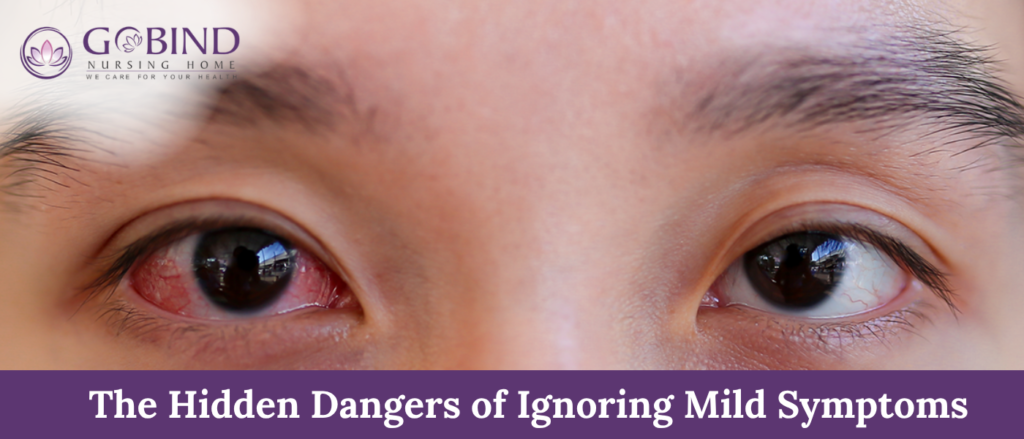
2. Eye Redness or Irritation
Occasional redness may seem harmless but could be a sign of:
- Eye infections
- Allergies
- Dry eye syndrome
- Inflammation
Proper eye treatment can prevent complications and long-term damage.
3. Frequent Headaches
Headaches are commonly ignored but may be linked to:
- Eye strain
- Vision problems
- High blood pressure
Consulting an eye specialist can help determine if your vision is the root cause.
4. Sensitivity to Light
Light sensitivity might indicate:
- Corneal issues
- Infections
- Migraine disorders
Ignoring it can lead to worsening discomfort and vision problems.
The Hidden Risks of Delaying Medical Attention
Ignoring mild symptoms doesn’t just delay treatment—it can significantly worsen health outcomes.
Progression of Undiagnosed Conditions
Many serious diseases begin with subtle signs. Without proper eye care, these can progress into advanced stages.
Examples include:
- Glaucoma: Often symptomless in early stages but can cause permanent vision loss.
- Cataracts: Gradually worsen vision if untreated.
- Retinal disorders: Can lead to irreversible damage if ignored.
Increased Treatment Complexity
Early-stage conditions are easier and more affordable to treat. Delayed diagnosis often requires:
- More intensive procedures
- Longer recovery times
- Higher medical costs
Visiting an eye hospital early can save both time and resources.
Impact on Quality of Life
Even mild symptoms can affect daily activities such as:
- Reading
- Driving
- Working on screens
Over time, untreated issues can reduce productivity and overall quality of life.
The Importance of Early Diagnosis
Early detection is the key to preventing serious complications.
Benefits of Timely Check-Ups
Regular visits to an eye specialist or healthcare provider offer several advantages:
- Detect diseases at an early stage
- Prevent irreversible damage
- Improve treatment outcomes
- Maintain long-term eye health
Role of Preventive Eye Care
Preventive eye care includes:
- Routine eye exams
- Monitoring vision changes
- Managing screen time
- Wearing protective eyewear
Centers like Gobind eye care emphasize preventive strategies to ensure optimal vision health.
When Should You See an Eye Specialist?
Many people are unsure when to seek professional help. Here are clear signs you should not ignore:
Immediate Consultation Required If You Experience:
- Sudden vision loss
- Persistent eye pain
- Flashes or floaters
- Double vision
- Severe redness
Routine Check-Up Recommendations:
- Once a year for adults
- Every 6 months for those with existing eye conditions
- Regular screenings for diabetics and seniors
Timely visits to an eye hospital can prevent long-term complications.
The Role of Eye Hospitals in Early Treatment
Modern eye hospitals play a crucial role in diagnosing and treating eye conditions efficiently.
Advanced Diagnostic Tools
Today’s facilities offer:
- Digital eye exams
- Retinal imaging
- Glaucoma screening
- Vision testing
These tools help detect even the smallest abnormalities.
Comprehensive Eye Treatment
From basic vision correction to advanced surgeries, professional eye treatment ensures:
- Accurate diagnosis
- Customized care plans
- Effective recovery
Choosing a reliable center like Gobind eye care ensures quality care and trusted expertise.
Practical Tips to Protect Your Eye Health
Taking simple steps can go a long way in maintaining good vision and overall health.
Daily Eye Care Habits
- Follow the 20-20-20 rule (every 20 minutes, look 20 feet away for 20 seconds)
- Stay hydrated
- Maintain proper lighting while reading or working
- Avoid excessive screen time
Nutrition for Healthy Eyes
Include these nutrients in your diet:
- Vitamin A (carrots, sweet potatoes)
- Omega-3 fatty acids (fish, flaxseeds)
- Vitamin C (citrus fruits)
- Zinc (nuts, seeds)
Good nutrition supports long-term eye health.
Why People Ignore Mild Symptoms (And Why They Shouldn’t)?
Understanding the reasons behind neglect can help change behavior.
Common Reasons:
- Busy lifestyle
- Fear of diagnosis
- Assuming symptoms are temporary
- Lack of awareness
The Reality:
Ignoring symptoms doesn’t make them go away—it often makes them worse. Seeking timely eye treatment ensures peace of mind and better health outcomes.
Conclusion
Mild symptoms are not always harmless—they can be early warning signs of serious health conditions. Ignoring them can lead to delayed diagnosis, complicated treatments, and long-term consequences. Whether it’s slight discomfort or subtle vision changes, paying attention to your body is crucial.
Prioritizing regular check-ups with an eye specialist, maintaining proper eye care, and visiting a trusted eye hospital like Gobind eye care can make all the difference. Early detection not only protects your vision but also enhances your overall quality of life.
Don’t wait for symptoms to worsen—take action early and safeguard your health today.