
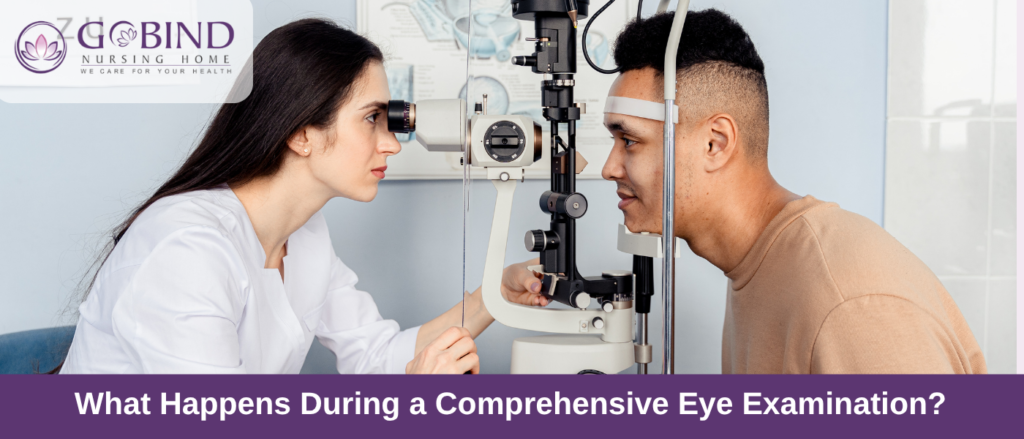
Your eyes play a vital role in your everyday life, yet many people only visit an eye doctor when they experience blurred vision or discomfort. The truth is that a comprehensive eye examination is much more than a simple vision test. It is a detailed assessment of your eye health that helps detect vision problems, eye diseases, and even signs of certain medical conditions before symptoms appear.
Whether you’re visiting for routine eye care, seeking advice about eye treatment, or preparing for eye surgery, understanding what happens during a comprehensive eye examination can help you feel more confident and informed.
Why Is a Comprehensive Eye Examination Important?
Many eye diseases develop slowly and painlessly. Conditions such as glaucoma, diabetic retinopathy, cataracts, and macular degeneration often show little or no symptoms during their early stages. By the time noticeable vision loss occurs, permanent damage may already have happened.
Regular comprehensive eye examinations help:
- Detect vision problems early
- Identify eye diseases before symptoms appear
- Monitor existing eye conditions
- Update eyeglass or contact lens prescriptions
- Detect signs of diabetes, hypertension, and other health conditions
- Determine if eye treatment or eye surgery may be necessary
Routine eye care is one of the easiest ways to protect your long-term vision.
Step-by-Step: What Happens During a Comprehensive Eye Examination?
1. Medical and Vision History Review
Your appointment begins with a discussion about your eye health and general health.
The doctor may ask:
- Do you experience headaches?
- Do your eyes feel dry?
- Is your vision blurry at night?
- Do you wear glasses or contact lenses?
- Have you noticed floaters or flashes?
This conversation provides valuable clues about potential eye conditions.
2. Visual Acuity Test
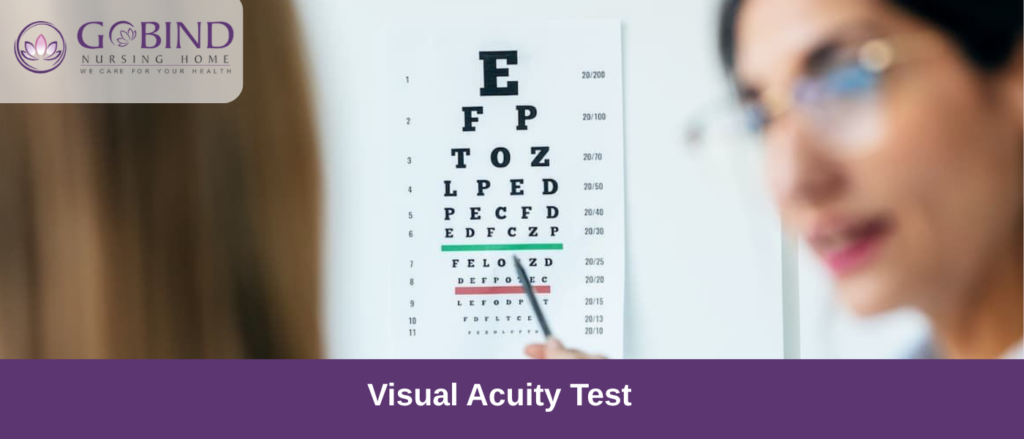
One of the most familiar parts of an eye examination is the visual acuity test.
You’ll be asked to read letters from an eye chart placed at a specific distance.
This test measures:
- Distance vision
- Near vision
- Overall sharpness of vision
If needed, your prescription for glasses or contact lenses will be updated.
3. Refraction Assessment
A refraction test determines the exact lens power needed to correct your vision.
4. Eye Muscle Movement Test
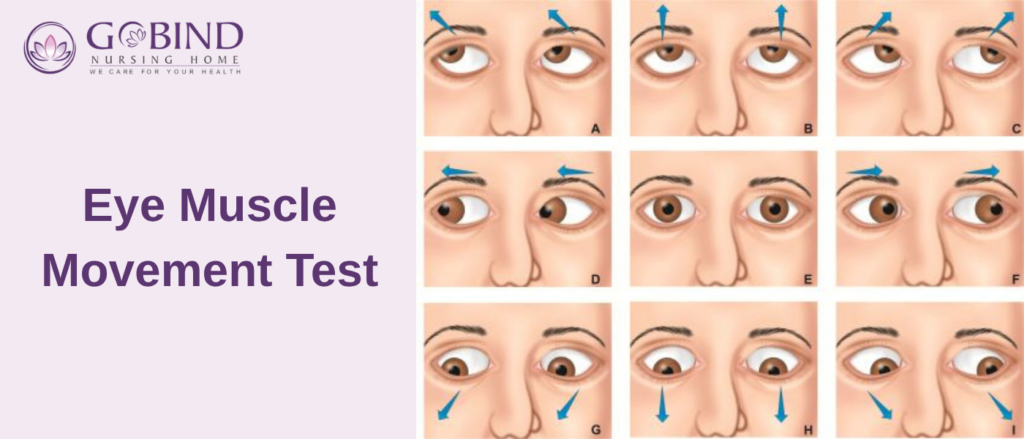
Healthy eye muscles ensure both eyes work together properly.
Your eye doctor checks:
- Eye alignment
- Eye coordination
- Eye movement
- Muscle strength
This test can detect problems like double vision or muscle imbalance.
5. Pupil Response Examination
The pupils react naturally to light.
During this part of the examination, the doctor shines a light into each eye to observe:
- Pupil size
- Shape
- Response to light
- Symmetry
Abnormal responses may indicate neurological or eye-related problems.
6. Peripheral Vision Test
Your side vision is tested to ensure there are no blind spots.
Loss of peripheral vision may be associated with:
- Glaucoma
- Retinal disorders
- Neurological conditions
Early detection is critical because these conditions often progress silently.
7. Eye Pressure Measurement (Tonometry)
One of the most important tests during comprehensive eye care is measuring intraocular pressure.
High eye pressure increases the risk of glaucoma.
Modern tonometry is usually quick and comfortable.
The doctor may use:
- Non-contact air puff test
- Applanation tonometry
- Handheld tonometer
This test plays an important role in preventing permanent vision loss.
8. Slit Lamp Examination
A slit lamp is a specialized microscope that allows the doctor to examine the front structures of the eye in great detail.
The slit lamp evaluates:
- Eyelids
- Cornea
- Conjunctiva
- Iris
- Lens
- Tear film
Many eye diseases can be detected during this examination.
9. Retinal Examination
The retina is located at the back of the eye and is essential for vision.
To examine it properly, the doctor may use dilating eye drops.
Once the pupils enlarge, the retina becomes easier to inspect.
The retinal examination helps detect:
- Diabetic retinopathy
- Retinal tears
- Macular degeneration
- Retinal detachment
- Optic nerve damage
This is one of the most valuable parts of a comprehensive eye examination.
Conclusion
A comprehensive eye examination is one of the most effective ways to protect your vision and overall health. It goes far beyond checking whether you need glasses—it thoroughly evaluates every important part of your eyes, helping detect diseases in their earliest stages when treatment is most effective.
Regular visits to an experienced eye doctor allow potential problems to be identified before they impact your quality of life. From preventive eye care and accurate diagnosis to advanced eye treatment and eye surgery when required, routine eye examinations are an investment in lifelong vision.