
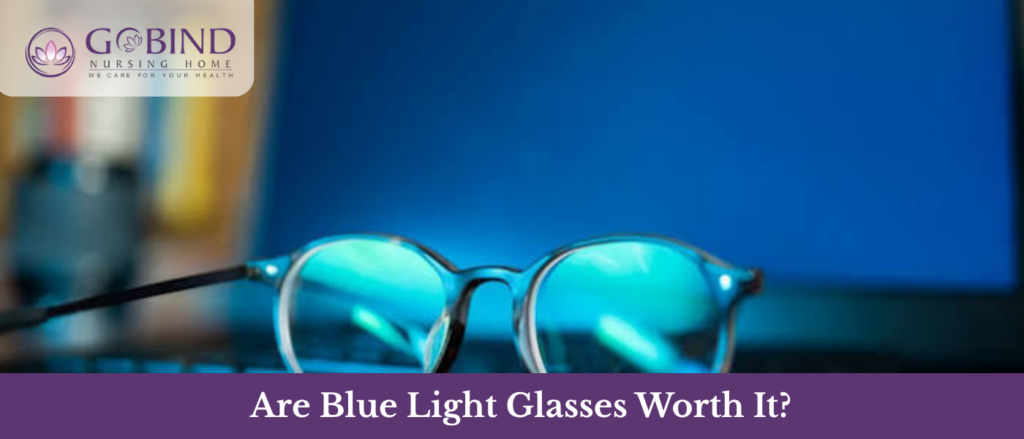
In today’s digital world, most of us spend hours looking at smartphones, computers, tablets, and other screens. With this increased screen time, concerns about eye strain, tired eyes, headaches, and long-term eye health have also grown. One popular solution is blue light glasses. But are blue light glasses really worth it, or are they simply another popular eyewear trend?
The answer is more nuanced than a simple yes or no. Blue light glasses may be comfortable for some people, but current evidence does not show that they prevent eye diseases or permanently protect vision. Good eye care involves much more than wearing a particular type of lens. Regular eye examinations, healthy screen habits, appropriate lighting, and timely consultation with an eye doctor all play an important role in maintaining healthy vision.
What Are Blue Light Glasses?
Blue light glasses are eyewear designed to filter or reduce some wavelengths of blue light reaching the eyes. Blue light is part of the visible light spectrum and is naturally present in sunlight. Digital screens such as smartphones, laptops, tablets, and televisions also emit blue light.
These glasses usually have special coatings or lenses designed to filter a portion of blue wavelengths. Some lenses have a noticeable yellow or amber tint, while others appear almost completely clear.
They are marketed for several potential benefits, including:
- Reducing digital eye strain
- Improving visual comfort while using screens
- Reducing glare
- Supporting better sleep when used in the evening
- Protecting the eyes from potential effects of prolonged blue-light exposure
However, these claims should be considered carefully because not every advertised benefit is strongly supported by scientific evidence.
Does Blue Light From Screens Damage Your Eyes?
This is one of the most common questions people ask an eye doctor.
Blue light is not inherently harmful. Natural daylight contains substantial amounts of blue light, and it plays an important role in regulating the body’s sleep-wake cycle.
Although laboratory research has examined the effects of intense blue-light exposure on eye tissues, ordinary exposure from everyday digital screens is not considered comparable to the levels of exposure that have been shown to cause retinal damage in experimental settings.
There is currently no strong evidence that normal screen use causes permanent retinal damage simply because screens emit blue light.
This is important because many people assume that screen-related eye discomfort automatically means their eyes are being permanently damaged. In reality, the problem is often digital eye strain.
What Is Digital Eye Strain?
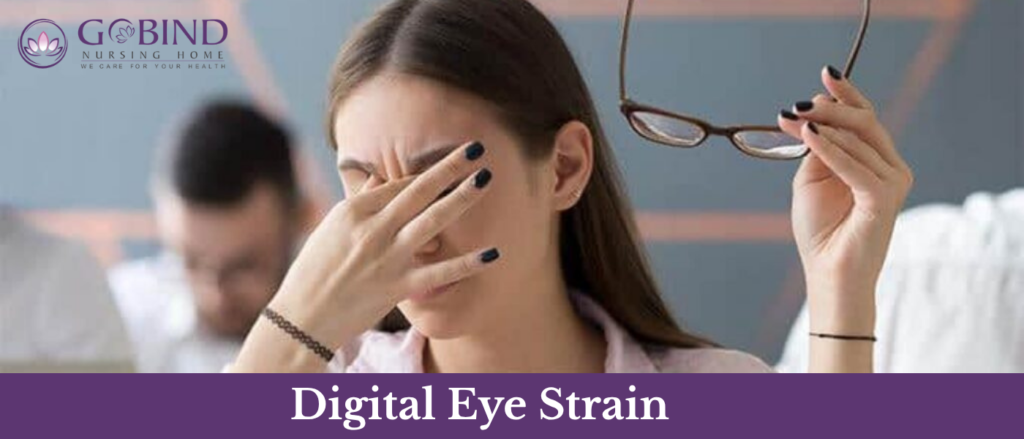
Digital eye strain, sometimes called computer vision syndrome, refers to a group of symptoms associated with prolonged use of digital devices.
Common symptoms include:
- Dry or irritated eyes
- Temporary blurred vision
- Eye fatigue
- Difficulty focusing
- Headaches
- Watery eyes
- Increased sensitivity to light
- Neck or shoulder discomfort
These symptoms can happen because people tend to blink less while concentrating on screens. Long periods of close-up focusing can also make the eyes feel tired.
Screen brightness, glare, poor posture, an inappropriate viewing distance, and uncorrected vision problems can contribute as well.
Therefore, simply purchasing blue light glasses may not address the actual reason behind your discomfort.
Are Blue Light Glasses Effective for Eye Strain?
Blue light glasses may make screens feel more comfortable for some users, particularly if the lenses reduce glare or have a tint that feels pleasant.
However, research has not consistently demonstrated that blue-light filtering lenses significantly reduce digital eye strain compared with ordinary lenses.
This means that if your main concern is tired or dry eyes after working on a computer, there are several other measures that may be more useful.
Follow the 20-20-20 Rule
A simple habit is the 20-20-20 rule:
Every 20 minutes, look at something about 20 feet away for at least 20 seconds.
This gives your eyes a short break from continuous near focusing.
Remember to Blink
People often blink less while reading or working on a screen. Consciously blinking more frequently can help spread tears across the surface of the eye and reduce dryness.
Adjust Your Screen
Keep your screen at a comfortable distance and position it so you do not have to constantly look upward or downward.
Reducing glare and adjusting screen brightness to match the surrounding environment can also improve comfort.
Who Might Consider Blue Light Glasses?
Blue light glasses are not essential for everyone. However, some people may choose to try them if they find the lenses comfortable.
They may be worth considering if:
- You spend many hours working on digital devices.
- You prefer the appearance or comfort of a particular lens coating.
- You are sensitive to glare.
- You use screens frequently in the evening.
- You simply find filtered lenses more comfortable.
The important point is that they should be considered a comfort option, not a substitute for proper eye care.
What Is More Important Than Blue Light Glasses?
If your goal is to protect your vision, several proven eye-care habits deserve greater attention.
1. Get Regular Eye Examinations
Regular comprehensive eye examinations can help identify vision problems and certain eye diseases early.
An eye examination is particularly important if you notice persistent changes in your vision.
2. Use Proper Lighting
Avoid using bright screens in an otherwise completely dark room. Balanced room lighting can reduce discomfort and glare.
3. Take Screen Breaks
Long, uninterrupted screen sessions can increase eye fatigue. Short breaks throughout the day can make a significant difference.
4. Maintain a Comfortable Viewing Distance
Do not hold your phone extremely close to your face for extended periods. Position your computer monitor at a comfortable distance and adjust the text size if necessary.
5. Do Not Ignore Persistent Symptoms
Temporary tiredness after a long work session is common. But persistent pain, significant redness, sudden vision changes, flashes, floaters, or continuing blurred vision should not simply be blamed on screen exposure.
An eye doctor should evaluate these symptoms.
Conclusion
Blue light glasses can be a useful comfort option for people who spend long hours in front of digital screens, but they are not a necessary solution for everyone. Current evidence does not strongly support the idea that blue light glasses prevent eye diseases or permanent damage from normal screen use.
For better eye care, focus on practical habits such as taking regular screen breaks, following the 20-20-20 rule, reducing glare, maintaining a comfortable viewing distance, and getting regular eye examinations. If you experience persistent eye strain, blurred vision, pain, redness, or other changes in eyesight, consult an eye doctor instead of relying only on blue light glasses.
Whether you need routine vision care, specialized eye treatment, or guidance about procedures such as eye surgery, professional evaluation is always the best approach. Taking care of your eyes today can help support clearer, healthier vision for the future.