
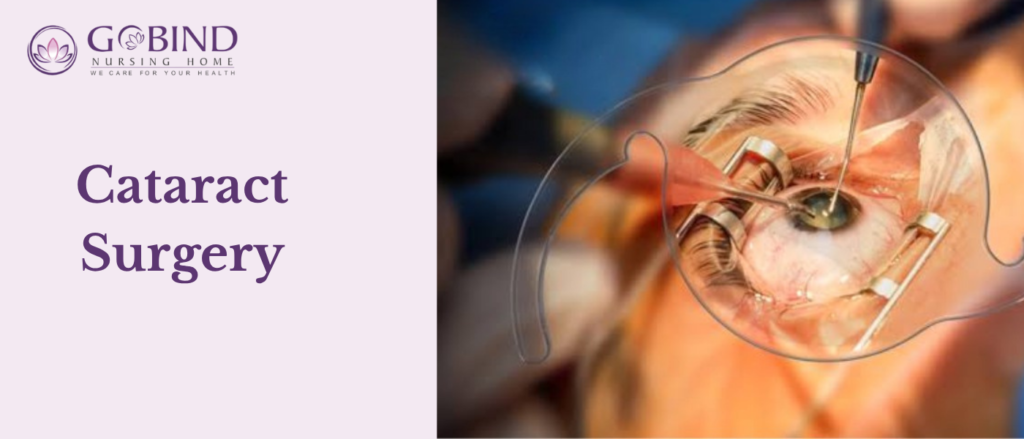
Cataracts are one of the most common causes of vision problems, especially as people get older. Blurry vision, difficulty seeing at night, glare from lights, and faded colours can gradually affect everyday life. Fortunately, modern cataract surgery is a safe and effective form of eye surgery that can help restore clearer vision and improve quality of life.
Good eye care and timely consultation with an experienced eye doctor are important for identifying cataracts early and choosing the right time for treatment. If cataracts begin interfering with daily activities such as reading, driving, cooking, or recognising faces, your eye doctor may recommend surgery as the most effective eye treatment.
At Gobind Nursing Home, patients can receive professional guidance and appropriate care for various eye conditions. This article explains everything you need to know about cataract surgery, from symptoms and preparation to the procedure and recovery.
What Is a Cataract?
The eye has a natural lens located behind the coloured part of the eye, known as the iris. This lens helps focus light onto the retina, allowing us to see clearly.
A cataract develops when the natural lens becomes cloudy. Instead of light passing clearly through the lens, the cloudiness scatters or blocks light. This can result in blurred or hazy vision.
Cataracts usually develop slowly and may initially cause only mild changes in vision. Over time, however, the cloudiness can increase and make daily activities more difficult.
Common Symptoms of Cataracts
Cataract symptoms may vary from person to person. Common signs include:
- Blurred, cloudy, or hazy vision
- Difficulty seeing clearly at night
- Increased sensitivity to bright lights
- Glare or halos around headlights and lamps
- Colours appearing dull or faded
- Frequent changes in glasses prescription
- Difficulty reading small print
- Double vision in one eye in some cases
If you notice these changes, it is important to schedule an eye examination. An experienced eye doctor can determine whether cataracts or another eye condition is affecting your vision.
When Is Cataract Surgery Needed?
A cataract does not always require immediate surgery. During the early stages, changes in eyeglass prescription, improved lighting, or other measures may help you manage mild symptoms.
However, cataract surgery may be recommended when vision problems start affecting your normal life.
For example, you may consider surgery if cataracts make it difficult to:
- Drive safely
- Read books or mobile screens
- Work comfortably
- Watch television
- Recognise faces
- Perform household activities
- Enjoy hobbies
There is no single rule stating that a cataract must be removed at a particular stage. The decision usually depends on your vision, lifestyle, eye health, and personal needs.
Your eye doctor can examine your eyes and help you understand whether cataract surgery is the right eye treatment for you.
How Does Cataract Surgery Work?
Cataract surgery involves removing the cloudy natural lens and replacing it with a clear artificial lens called an intraocular lens (IOL).
It is commonly performed as an outpatient eye surgery, meaning most patients can go home the same day after the procedure.
The exact surgical approach and lens selection may vary depending on your eye condition and visual requirements.
Step-by-Step Cataract Surgery Procedure
Although every patient is different, cataract surgery generally follows these steps:
1. Preparing the Eye
The eye is cleaned, and anaesthetic eye drops or other local anaesthesia may be used to numb the area. In most cases, the patient remains awake but comfortable during the procedure.
2. Making a Small Opening
The surgeon creates a tiny opening in the eye to access the cloudy lens.
3. Removing the Cataract
Modern cataract procedures commonly use ultrasound energy to break the cloudy lens into small pieces. The fragments are then gently removed.
4. Placing the Artificial Lens
Once the cataract has been removed, an artificial intraocular lens is placed inside the eye. This lens helps focus light properly and provides clearer vision.
The procedure itself is usually completed within a relatively short time, although the total time spent at the hospital may be longer because of preparation and post-operative monitoring.
Types of Intraocular Lenses
One of the important decisions before cataract surgery is selecting the appropriate intraocular lens.
Monofocal Lens
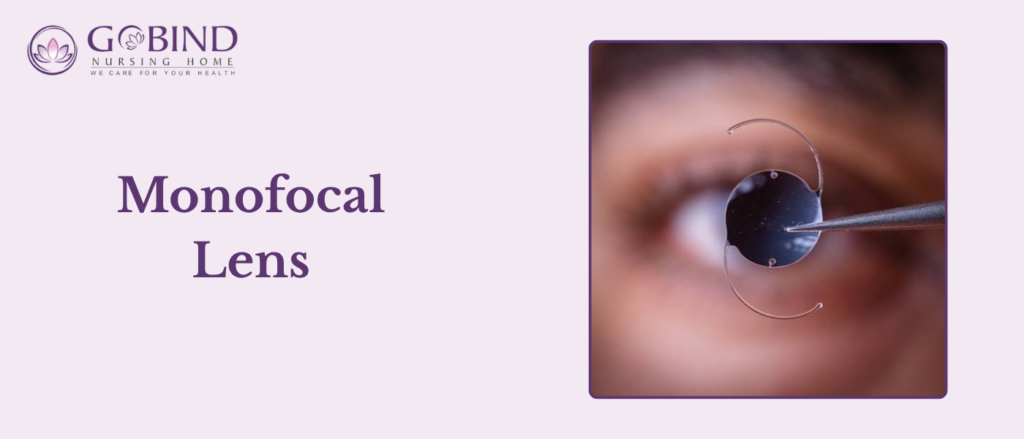
A monofocal lens is designed to provide clear vision at one primary distance, such as distance vision. Glasses may still be needed for reading or other close activities.
Multifocal or Extended-Range Lenses
Some advanced lenses are designed to improve vision at multiple distances or provide a broader range of vision. However, not every lens is suitable for every patient.
Toric Lens
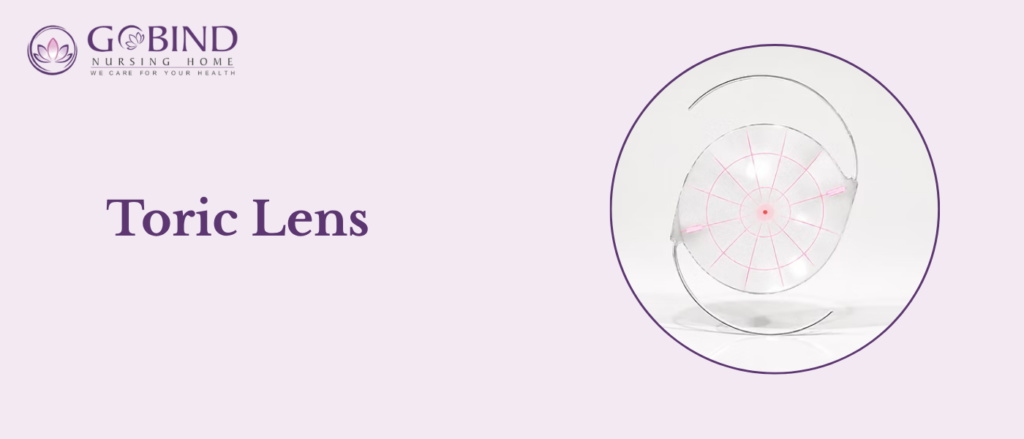
A toric lens may be recommended for patients with astigmatism to help improve vision and reduce dependence on glasses in suitable cases.
Your eye doctor will assess your eye health, lifestyle, occupation, and visual expectations before recommending a suitable lens option.
Is Cataract Surgery Painful?
Cataract surgery is generally not considered painful. The eye is numbed before the procedure, and most patients experience little or no discomfort during the surgery.
Afterwards, you may experience temporary:
- Mild irritation
- Watering of the eyes
- Slight discomfort
- Sensitivity to light
- A feeling that something is in the eye
Severe or increasing pain should not be ignored. Contact your eye doctor or healthcare provider if you experience unusual symptoms after surgery.
What Are the Risks of Cataract Surgery?
Cataract surgery has a high success rate, but like every medical procedure, it carries some risks.
Possible complications may include:
- Infection
- Inflammation
- Swelling
- Changes in eye pressure
- Retinal problems
- Bleeding
- Temporary or persistent vision problems
These complications are not common for most patients, but understanding them is important before any eye treatment or surgery.
Contact your healthcare provider immediately if you experience:
- Sudden loss of vision
- Severe eye pain
- Increasing redness
- Persistent or worsening symptoms
- Flashes of light or a sudden increase in floaters
Prompt medical attention can be important in protecting your vision.
Final Thoughts
Cataract surgery is one of the most commonly performed procedures for restoring vision affected by a cloudy natural lens. With modern techniques, careful planning, and appropriate follow-up eye care, many patients experience significant improvement in their quality of vision.
The most important step is not to ignore gradual changes in your eyesight. If blurry vision, glare, difficulty seeing at night, or fading colours are affecting your daily life, consult an experienced eye doctor for a complete examination.
Whether you need an eye examination, professional eye treatment, or advice about cataract surgery, timely consultation can help you make an informed decision about your eye health. At Gobind Nursing Home, patients can seek professional guidance and appropriate care for their eye health needs.
Clearer vision may begin with a simple eye check-up—because your eyes deserve timely care and attention..