
Have you ever stepped outside into bright sunlight and immediately felt the need to close or cover your eyes? Or perhaps your eyes hurt when you look at a phone, computer screen, or bright indoor light. Light sensitivity, medically known as photophobia, is a common eye-related complaint. While occasional sensitivity may simply happen after prolonged screen use or being in a dark room, frequent or severe sensitivity can sometimes indicate an underlying eye problem.
Understanding why your eyes are sensitive to light can help you recognize when simple lifestyle changes are enough and when you should consult an eye doctor. With timely eye care and appropriate eye treatment, many causes of light sensitivity can be managed effectively.
What Does Light Sensitivity Mean?
Light sensitivity means that your eyes feel unusually uncomfortable when exposed to bright light. The discomfort can range from mild irritation to significant pain.
People with light sensitivity may experience discomfort from:
- Direct sunlight
- Bright LED or fluorescent lights
- Phone and computer screens
- Camera flashes
- Vehicle headlights
- Strong indoor lighting
Light sensitivity itself is not always a disease. Instead, it is often a symptom of another condition affecting the eyes or, in some cases, the nervous system.
If sensitivity keeps returning or starts interfering with daily activities, an eye examination can help identify the underlying cause.
Why Are My Eyes Sensitive to Light?
There are several possible reasons for increased sensitivity to light. Some are temporary and harmless, while others may require professional eye treatment.
1. Dry Eyes
Dry eye occurs when your eyes do not produce enough tears or when tears evaporate too quickly. Without adequate moisture, the surface of the eye can become irritated.
Along with light sensitivity, you may notice:
- Burning or stinging
- A gritty sensation
- Redness
- Watery eyes
- Blurred vision
- Eye fatigue
Long screen time, air conditioning, dust, and reduced blinking can make dry eye symptoms worse.
2. Prolonged Screen Exposure
Spending many hours looking at a phone, tablet, or computer can contribute to digital eye strain. People often blink less while concentrating on screens, which can make the eyes dry and uncomfortable.
You may experience:
- Light sensitivity
- Headaches
- Difficulty focusing
- Dryness
- Tired eyes
- Temporary blurred vision
Following the 20-20-20 rule, taking regular breaks, and maintaining an appropriate screen distance can support better eye care.
3. Migraine
Light sensitivity is a common symptom associated with migraines. Some people become particularly sensitive to bright or flashing lights during a migraine episode.
In this situation, the eyes may not necessarily have an eye disease. However, recurring headaches combined with light sensitivity should not be ignored.
If you experience frequent migraines, discuss your symptoms with an appropriate healthcare professional.
4. Eye Infections or Inflammation
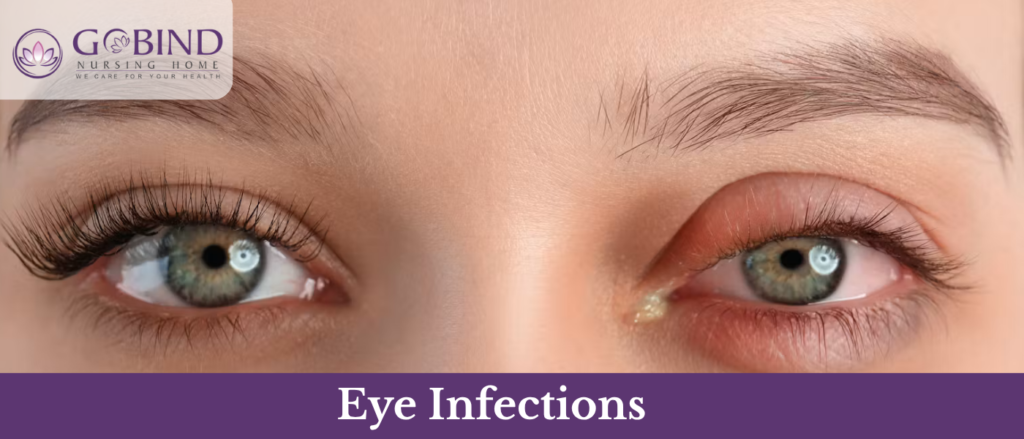
Certain infections and inflammatory conditions can make the eyes extremely sensitive to light.
Conditions such as conjunctivitis or inflammation inside the eye may cause:
- Redness
- Pain
- Excessive watering
- Blurred vision
- Discharge
- Light sensitivity
Severe pain, sudden vision changes, or significant redness require prompt evaluation by an eye doctor.
5. Corneal Problems
The cornea is the clear front surface of the eye that helps focus incoming light. Because it contains many sensitive nerve endings, even a small injury or irritation can cause significant discomfort.
Corneal problems may occur because of:
- Scratches or abrasions
- Foreign bodies
- Infections
- Contact lens-related complications
- Corneal diseases
Do not rub your eyes if you suspect a corneal injury. Professional examination is important to determine the appropriate eye treatment.
6. Cataracts
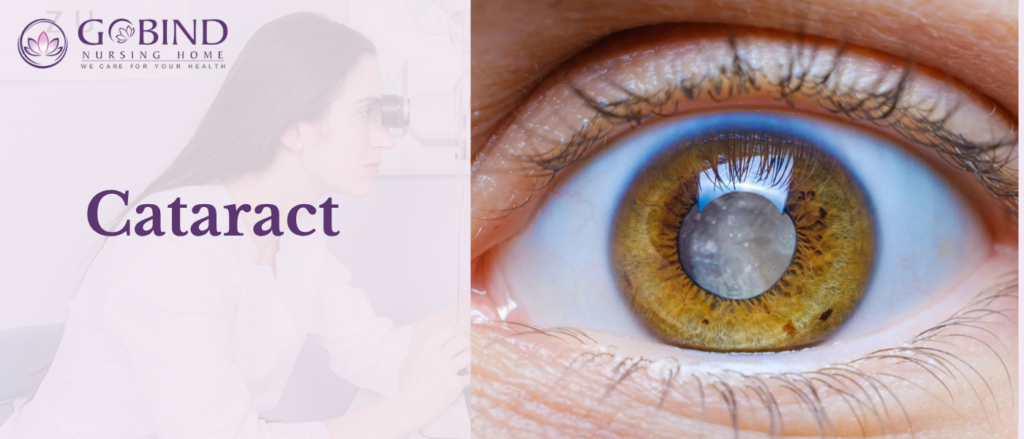
A cataract develops when the natural lens of the eye becomes cloudy. It can affect how light enters and is processed by the eye.
People with cataracts may notice:
- Increased glare
- Difficulty seeing at night
- Halos around lights
- Faded or cloudy vision
- Difficulty reading
- Increased sensitivity to bright light
When cataracts begin affecting everyday activities, an eye doctor may recommend cataract surgery. Eye surgery can be an effective treatment for cataracts when clinically appropriate.
7. Glaucoma and Other Eye Conditions
Some eye conditions can cause pain, visual disturbances, or increased sensitivity to light. Glaucoma, retinal disorders, and other problems may sometimes present with symptoms that should be evaluated by an eye specialist.
Not every case of light sensitivity is caused by a serious condition, but persistent symptoms deserve attention.
How Is Light Sensitivity Diagnosed?
When you visit an eye doctor, the examination will depend on your symptoms and medical history.
Your eye specialist may check:
Visual Acuity
This determines how clearly you can see at different distances.
Eye Pressure
Measuring intraocular pressure can help assess certain eye conditions, including glaucoma.
Slit-Lamp Examination
A slit lamp allows the doctor to examine structures such as the cornea, iris, and lens in detail.
Dilated Eye Examination
In some cases, the doctor may use dilating drops to examine the retina and optic nerve more thoroughly.
The goal is not simply to treat light sensitivity but to identify why it is happening.
Can Light Sensitivity Be Treated?
Yes, but the treatment depends on the cause.
For example, dry eyes may require lifestyle changes or lubricating eye drops. An infection may require medication prescribed by a doctor. Corneal problems need appropriate examination and treatment.
If cataracts are responsible for glare and light sensitivity, your eye specialist may discuss cataract surgery when the condition begins affecting your quality of life.
The important point is that there is no single eye treatment for every case of photophobia. Treating the underlying problem is usually the most effective approach.
Conclusion
Good eye care, regular eye examinations, and timely eye treatment can help identify the underlying cause and protect your vision. If symptoms persist or are accompanied by pain, redness, or sudden changes in vision, consult an experienced eye doctor for proper evaluation. When conditions such as cataracts require further intervention, procedures or eye surgery may be recommended based on your individual needs.
For professional eye evaluation and treatment, Gobind Nursing Home can be considered for comprehensive eye care and specialist guidance.