
Your eyes help you experience the world every single day, yet they are often one of the most neglected parts of your health. Many eye conditions develop gradually without causing noticeable pain, making it easy to overlook early symptoms. Regular eye care is essential not only for maintaining clear vision but also for detecting serious eye diseases before they become permanent.
Whether you’re a student, working professional, senior citizen, or someone who spends long hours on digital devices, recognizing the early warning signs can protect your eyesight. In many cases, timely eye treatment by an experienced eye doctor can prevent complications and even save your vision.
1. Blurred Vision That Doesn’t Go Away
Occasional blurry vision may occur due to fatigue, but persistent blurred vision should never be ignored.
You may notice:
- Difficulty reading
- Trouble recognizing faces
- Blurry road signs while driving
- Objects appearing out of focus
Blurred vision could indicate:
- Refractive errors
- Cataracts
- Diabetes-related eye disease
- Corneal problems
- Glaucoma
An experienced eye doctor can determine the exact cause and recommend the appropriate eye treatment.
2. Frequent Headaches Along With Eye Strain
If your headaches become more frequent after reading, working on a computer, or using your phone, your eyes may be working harder than they should.
Common reasons include:
- Incorrect glasses prescription
- Digital eye strain
- Eye muscle imbalance
- Uncorrected vision problems
Ignoring these symptoms may reduce productivity and affect your daily life. Proper eye care can significantly reduce these issues.
3. Difficulty Seeing at Night
Driving at night becoming difficult?
If headlights appear too bright or you struggle to see in dim lighting, you may be experiencing night vision problems.
Possible causes include:
- Cataracts
- Vitamin A deficiency
- Retinal disorders
- High myopia
Early diagnosis allows your eye doctor to recommend effective solutions before the condition worsens.
4. Seeing Floaters or Flashes of Light
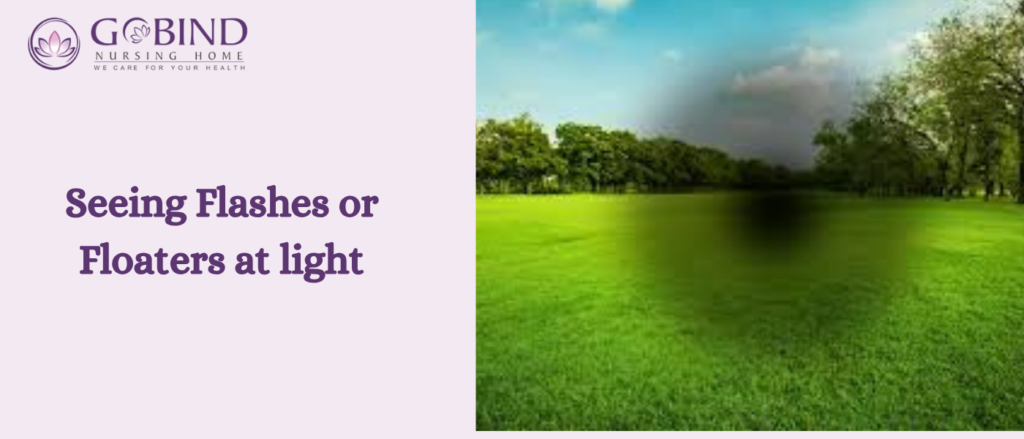
Many people notice small floating spots occasionally. However, a sudden increase in floaters or flashes of light requires immediate medical attention.
Warning signs include:
- Numerous new floaters
- Bright flashes
- A curtain-like shadow over vision
- Sudden loss of side vision
These symptoms could indicate retinal tears or retinal detachment, which may require urgent eye surgery to preserve eyesight.
Never delay emergency eye care if these symptoms appear.
5. Persistent Eye Pain or Redness
Your eyes should never remain painful or red for several days.
Persistent discomfort may be caused by:
- Eye infections
- Corneal ulcers
- Dry eye disease
- Glaucoma
- Eye injuries
While some cases are minor, others require immediate eye checkup to prevent vision damage.
If over-the-counter eye drops don’t improve symptoms, schedule an examination promptly.
6. Double Vision
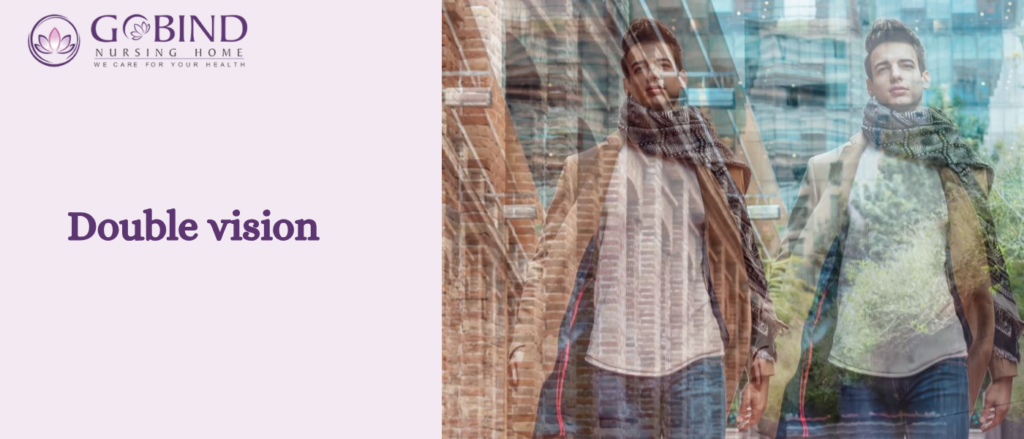
Seeing two images instead of one can be frightening.
Double vision may result from:
- Eye muscle disorders
- Nerve damage
- Cataracts
- Brain-related conditions
- Diabetes complications
Because some causes may be serious, consult an experienced eye doctor without delay.
Early diagnosis often leads to more effective treatment.
7. Increased Sensitivity to Light
Do bright lights suddenly feel uncomfortable?
Light sensitivity, also called photophobia, may indicate:
- Eye inflammation
- Corneal injury
- Dry eyes
- Migraine
- Eye infection
When accompanied by redness, pain, or blurred vision, immediate eye care is recommended.
8. Frequent Changes in Glasses Prescription
If you find yourself changing glasses every year—or even every few months—it may be a sign of an underlying eye condition rather than simply worsening eyesight.
Rapid prescription changes can occur due to:
- Diabetes
- Cataracts
- Keratoconus
- Progressive myopia
Instead of repeatedly buying new glasses, consult an eye specialist to identify the root cause.
9. Excessive Watering or Dry Eyes
Many people assume watery eyes mean their eyes are well-lubricated. Surprisingly, excessive tearing can actually be a symptom of dry eye disease.
Other symptoms include:
- Burning sensation
- Itching
- Gritty feeling
- Blurred vision
- Eye fatigue
Modern eye checkup options such as lubricating drops, medications, or advanced dry eye therapies can provide lasting relief.
10. Sudden Vision Loss
This is a medical emergency.
If vision becomes partially or completely blocked in one or both eyes, seek immediate medical attention.
Possible causes include:
- Stroke
- Retinal artery blockage
- Retinal detachment
- Severe glaucoma
- Eye trauma
Quick diagnosis and emergency eye surgery or medical treatment may save your eyesight.
Never wait for symptoms to improve on their own.
Conclusion
Your vision is one of your most valuable assets, and paying attention to early warning signs can make all the difference. Symptoms such as blurred vision, persistent headaches, eye pain, sudden floaters, night vision difficulties, or frequent prescription changes should never be ignored. Early diagnosis allows timely eye checkup, helping prevent complications and protect your eyesight for years to come.
Regular visits to a qualified eye doctor, combined with healthy daily habits, are the foundation of lifelong eye health. If you’ve noticed any of the signs discussed above, don’t postpone your appointment. Trust the experienced team at Gobind Nursing Home for comprehensive eye care, advanced diagnostics, and expert treatment designed to keep your vision clear and healthy.