
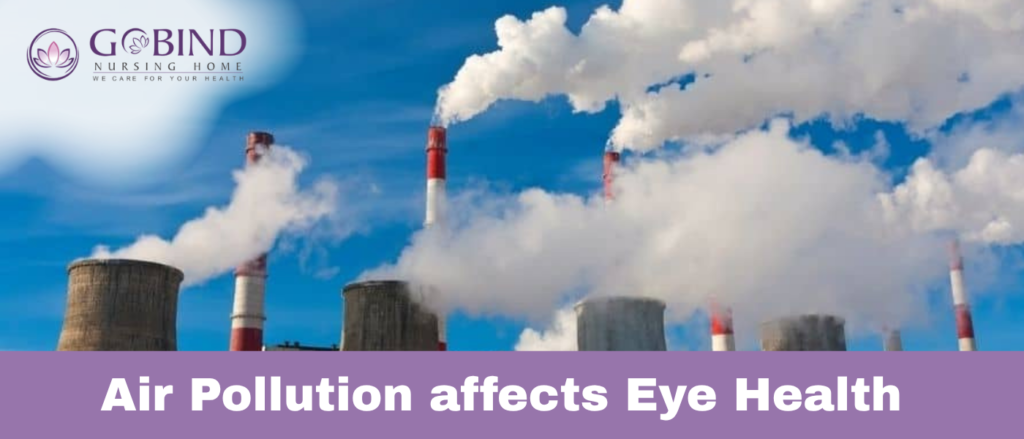
Air pollution poses a serious threat to eye health, causing irritation and long-term damage. Understanding these effects is crucial for maintaining clear vision, especially in polluted regions like Haryana.
Common Eye Symptoms from Pollution
Air pollution triggers immediate eye discomfort through pollutants like PM2.5, nitrogen oxides, and sulfur dioxide. These particles irritate the ocular surface, leading to redness, itching, watering, and a gritty sensation.
Burning eyes and blurred vision often follow short-term exposure, worsening in high-smog areas. Frequent blinking fails to clear the irritation, as pollutants disrupt the tear film.
For relief, lubricating eye drops provide temporary aid, but persistent symptoms signal the need for professional eye care at a trusted eye care centre.
Dry Eye Syndrome Risks
Dry eye syndrome is a primary outcome of polluted air, where insufficient tears fail to lubricate the eyes. Pollutants evaporate tears faster, causing soreness, light sensitivity, and mucus buildup.
Chronic dryness inflames the conjunctiva and cornea, heightening infection risks. Studies link higher PM2.5 levels to increased dry eye cases, especially in urban India.
Eye specialists recommend humidifiers and omega-3 supplements alongside regular visits to an eye hospital for advanced management.
Long-Term Damage to Eyes
Prolonged pollution exposure accelerates cataracts by promoting oxidative stress on the lens. Fine particles penetrate deeper, damaging corneal cells and raising glaucoma risks.
Age-related macular degeneration (AMD) and retinal thinning also correlate with poor air quality. Research shows elevated outpatient visits for these during pollution spikes.
Early intervention by an eye surgeon can slow progression; seek the best eye hospital in Hisar, Haryana, for specialized diagnostics.
Key Pollutants Harming Eyes
PM2.5 particles, smaller than 2.5 micrometers, lodge on the eye surface, causing inflammation. Nitrogen and sulfur dioxides trigger allergic conjunctivitis.
Carbon monoxide reduces oxygen to eye tissues, while ozone worsens dryness. Delhi-NCR studies confirm these pollutants drive eye disease surges.
Protection Strategies
Wear wraparound sunglasses with UV protection outdoors to block pollutants. Limit exposure during peak pollution hours and use air purifiers indoors.
Artificial tears and anti-allergy drops soothe symptoms; avoid rubbing eyes. Stay hydrated to support tear production.
When to Visit an Eye Care Centre
Seek immediate care if irritation persists beyond 48 hours or vision blurs. Recurrent infections or pain warrant an eye hospital visit.
Gobind Eye Care, a leading eye care centre, offers expert eye specialists for pollution-related issues. Their team provides comprehensive check-ups tailored to Haryana’s environment.
Best Practices in Haryana
In Haryana’s polluted zones, annual eye exams are essential. The best eye hospital in Hisar, Haryana, like Gobind Eye Care, uses advanced tools for early detection.
Eye surgeons there specialize in pollution-induced conditions, ensuring personalized treatment plans. Prioritize eye care to safeguard vision amid rising AQI levels.
Indoor Air Quality Tips
Indoor pollutants from smoke or cleaners mimic outdoor harm. Ventilate wisely and maintain clean environments to protect eyes.
Combine with regular eye care centre visits for holistic protection.