
Choosing eyeglasses is not simply about finding a frame that looks good. The right glasses should match your lifestyle, vision needs, daily activities, comfort, and personal style. Whether you spend long hours working on a computer, drive frequently, play sports, study, or spend most of your time outdoors, your eyewear can make a significant difference in how comfortably and clearly you see.
Good eye care begins with understanding your vision needs and selecting glasses that provide the right correction and protection. With so many frame shapes, lens materials, coatings, and designs available today, choosing the right pair can feel confusing. This guide explains what to consider before buying eyeglasses and when you should consult an eye doctor for professional advice.
Why Choosing the Right Eyeglasses Matters ?
Eyeglasses are more than a vision-correction tool. The right pair can improve visual clarity, reduce discomfort, protect your eyes, and make everyday activities easier.
Poorly chosen glasses may cause problems such as:
- Headaches or eye discomfort
- Difficulty focusing
- Slipping or uncomfortable frames
- Glare while driving
- Increased discomfort during prolonged screen use
- Difficulty seeing clearly in different lighting conditions
An eye examination should always come first. Your prescription determines the level of vision correction you need, while your lifestyle helps determine the most suitable frame and lens options.
Start With a Professional Eye Examination
Before selecting frames, schedule a comprehensive eye examination with an eye doctor. A prescription should not be based only on how clearly you can read a vision chart.
During an eye examination, your doctor can assess your vision and check for common eye conditions. Regular examinations are an important part of preventive eye care, even if you currently have no noticeable vision problems.
If your vision has changed recently, you experience frequent headaches, notice blurred vision, or have difficulty seeing at night, professional evaluation becomes particularly important.
Consider Your Daily Lifestyle
The best eyeglasses for you depend heavily on how you spend your day. Think about where and when you use your glasses before choosing a frame or lens.
1. If You Work on a Computer
People who spend several hours using computers, laptops, or smartphones may experience digital eye strain.
If screens are a major part of your routine, consider lenses designed to make prolonged near and intermediate viewing more comfortable. Anti-reflective coatings can also reduce reflections from screens and indoor lighting.
However, glasses alone cannot eliminate digital eye strain. Follow healthy screen habits such as:
- Taking regular breaks
- Keeping the screen at a comfortable distance
- Adjusting screen brightness
- Blinking regularly
- Maintaining proper lighting
If eye discomfort continues, consult an eye doctor instead of assuming that your glasses are the only solution.
2. If You Drive Frequently
Driving requires clear vision, particularly at night and in changing lighting conditions.
For regular drivers, consider:
- Anti-reflective lens coatings
- Accurate prescription correction
- Comfortable frames that do not obstruct peripheral vision
- Lenses suitable for changing light conditions
Glare from headlights can be particularly uncomfortable at night. An appropriate lens coating may help reduce distracting reflections.
If you frequently struggle with night vision despite wearing your glasses, discuss the problem with your eye doctor.
3. If You Spend a Lot of Time Outdoors
People who work or exercise outdoors need to think about both vision correction and protection.
UV exposure can affect eye health over time. Prescription sunglasses can be a useful option for people who need vision correction while outdoors.
Look for sunglasses that provide appropriate UV protection and fit securely without creating uncomfortable pressure around the nose or ears.
For people who move between indoor and outdoor environments frequently, photochromic lenses may also be worth considering. These lenses can adjust their tint depending on light conditions.
Choose the Right Frame for Your Face and Comfort
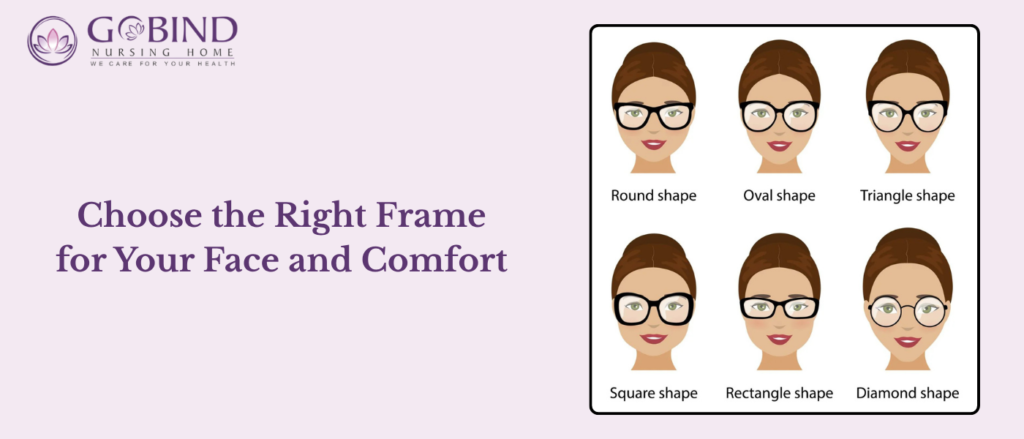
Frame appearance is important, but comfort should come first. A stylish frame that constantly slips or presses against your temples will quickly become frustrating.
When trying frames, check:
- Whether the frame sits comfortably on your nose
- Whether it feels too tight around your temples
- Whether your eyelashes touch the lenses
- Whether the frame slips when you move
- Whether the size suits your face
- Whether you can see comfortably through the center of the lenses
Different face shapes may suit different frame styles, but there are no strict rules. Your comfort and personal preference matter more than following a particular fashion trend.
Select the Right Lens Material
Lens material can affect weight, durability, thickness, and appearance.
High-Index Lenses
People with stronger prescriptions may benefit from high-index lenses. They can provide vision correction while being thinner than some conventional lens options.
Polycarbonate Lenses
Polycarbonate lenses are lightweight and impact-resistant. They may be particularly useful for children, active individuals, and people who participate in sports.
Standard Plastic Lenses
These lenses can be suitable for many everyday prescriptions and are available with various protective coatings.
Your optician or eye doctor can help you choose the most appropriate material based on your prescription, lifestyle, and budget.
Understand Important Lens Coatings
Modern eyeglasses can include several coatings designed for specific needs.
Anti-Reflective Coating
Anti-reflective coatings can reduce reflections from artificial lighting and screens. They can also make lenses appear clearer by reducing visible glare.
Scratch-Resistant Coating
No lens is completely scratch-proof, but scratch-resistant treatments can improve durability when glasses are handled properly.
UV Protection
UV protection can help reduce exposure to ultraviolet radiation. This is especially relevant for sunglasses and people who spend significant time outdoors.
Blue-Light Filtering
Some lenses include blue-light filtering features. While these products are widely marketed for screen users, they should not be considered a replacement for healthy screen habits or professional evaluation when symptoms persist.
Think About Your Age and Vision Needs
Vision requirements can change throughout life.
Children may need durable frames and impact-resistant lenses, particularly if they are physically active. Young adults may prioritize lightweight frames for work, study, and social activities.
Adults experiencing age-related changes in near vision may need options such as bifocal or progressive lenses.
Progressive Lenses
Progressive lenses can provide multiple vision zones within one lens, allowing users to see at different distances without switching between separate pairs of glasses.
However, adapting to progressive lenses can take some time. Proper fitting and accurate measurements are important for comfortable use.
Final Thoughts
The right eyeglasses should fit your vision needs and your lifestyle, not simply your face or current fashion trends. Start with a professional eye examination, understand your prescription, consider your daily activities, and then choose frames and lenses that provide comfort, durability, and clear vision.
Whether you work behind a computer, drive every day, spend time outdoors, study for long hours, or lead an active lifestyle, the right eyewear can make everyday vision more comfortable.
Most importantly, remember that glasses are not a substitute for regular eye care. If your vision changes or you develop unusual symptoms, consult an eye doctor promptly. Early evaluation can help identify problems and ensure that you receive the right eye treatment when needed.