
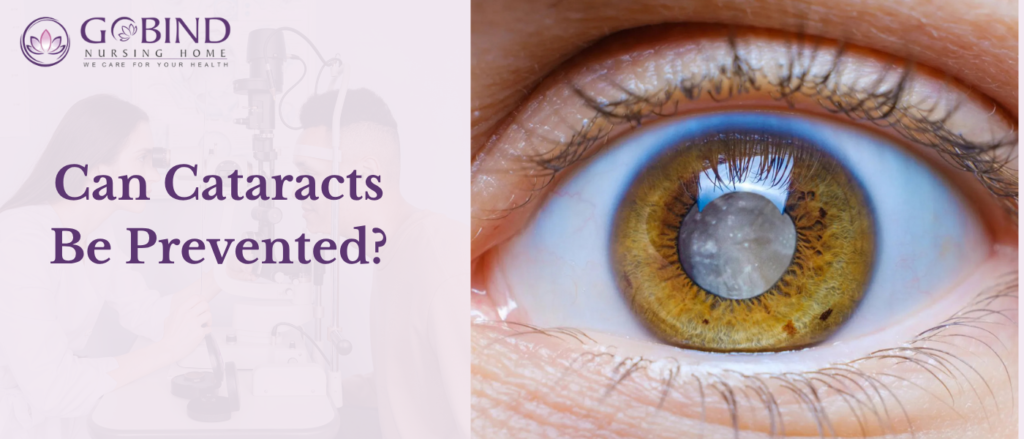
Cataracts are one of the most common causes of vision problems, especially as people get older. They develop when the natural lens of the eye becomes cloudy, leading to blurred vision, glare, faded colors, and difficulty seeing clearly. But an important question many people ask is: can cataracts be prevented?
The answer is that cataracts cannot always be completely prevented, particularly when they are related to aging. However, adopting healthy habits and protecting your eyes may help reduce the risk of developing cataracts or delay their progression. Regular eye check-ups can also help an eye doctor identify early changes in the lens before vision problems become severe.
Understanding the causes of cataracts and making better choices for your eye health can play an important role in long-term eye care.
What Is a Cataract?
A cataract occurs when the normally clear lens inside the eye becomes cloudy. The lens helps focus light onto the retina so that you can see clearly. When it becomes cloudy, light cannot pass through properly, which can affect the quality of your vision.
Cataracts usually develop gradually, so you may not notice them in the beginning. Over time, symptoms can become more noticeable.
Common symptoms include:
- Blurred or cloudy vision
- Difficulty seeing at night
- Increased sensitivity to bright lights
- Halos around headlights and other light sources
- Faded or yellowish colors
- Frequent changes in glasses prescription
- Difficulty reading or performing detailed tasks
- Double vision in one eye
If these symptoms are affecting your daily activities, an eye doctor can perform a comprehensive eye examination to determine whether cataracts or another eye condition is responsible.
Can Cataracts Really Be Prevented?
There is currently no guaranteed way to prevent every cataract. Aging remains one of the biggest risk factors, and most people experience some degree of lens changes as they grow older.
However, several lifestyle and health measures may help protect the eyes and potentially delay the development or progression of cataracts.
Prevention is therefore less about guaranteeing that cataracts will never occur and more about reducing avoidable risks and maintaining overall eye health.
1. Protect Your Eyes From UV Radiation
Long-term exposure to ultraviolet (UV) radiation from the sun may increase the risk of cataract development. Protecting your eyes from excessive sunlight is therefore an important part of everyday eye care.
When spending time outdoors, consider wearing:
- Sunglasses that provide 100% UVA and UVB protection
- A wide-brimmed hat for additional protection
- UV-protective eyewear during prolonged outdoor activities
Good-quality sunglasses are useful not only on very sunny days but also when you spend extended periods outdoors.
2. Avoid Smoking

Smoking can negatively affect many parts of the body, including the eyes. Chemicals in cigarette smoke can contribute to oxidative stress and may increase the risk of several eye conditions, including cataracts.
If you smoke, quitting can be an important step toward better overall health and long-term eye protection.
Avoiding exposure to tobacco smoke may also support healthier eyes.
3. Follow a Healthy, Balanced Diet

Nutrition plays an important role in maintaining healthy eyes. A diet containing a variety of fruits, vegetables, whole grains, nuts, seeds, and other nutrient-rich foods can provide antioxidants and nutrients that support eye health.
Consider including foods such as:
- Leafy green vegetables
- Carrots and other colorful vegetables
- Citrus fruits
- Berries
- Eggs
- Nuts and seeds
- Fish containing omega-3 fatty acids
A balanced diet supports the body’s natural defenses against oxidative stress, which is associated with age-related changes in the eyes.
4. Manage Diabetes and Other Health Conditions
Certain health conditions can increase the risk of cataracts. Diabetes, for example, is associated with a higher risk of developing cataracts.
Maintaining healthy blood sugar levels through appropriate medical care, physical activity, nutrition, and prescribed treatment can help reduce diabetes-related complications.
Regular health check-ups are important because eye health is closely connected with overall health.
5. Limit Unnecessary Eye Exposure to Harmful Substances
Certain chemicals and eye injuries can increase the risk of cataracts. People who work in environments involving chemicals, dust, intense heat, or flying particles should use appropriate protective eyewear.
Safety glasses or other protective equipment can help prevent eye injuries that could potentially lead to long-term complications.
Eye care is not only about treating vision problems—it is also about preventing avoidable eye injuries.
6. Avoid Unnecessary Use of Steroid Medications
Long-term or inappropriate use of corticosteroids has been associated with an increased risk of certain types of cataracts.
However, you should never stop prescribed medication without speaking to your doctor. If you are using steroids for a medical condition, discuss the benefits and possible eye-related side effects with your healthcare provider.
Regular eye examinations may be recommended for people who need long-term steroid treatment.
7. Get Regular Eye Examinations
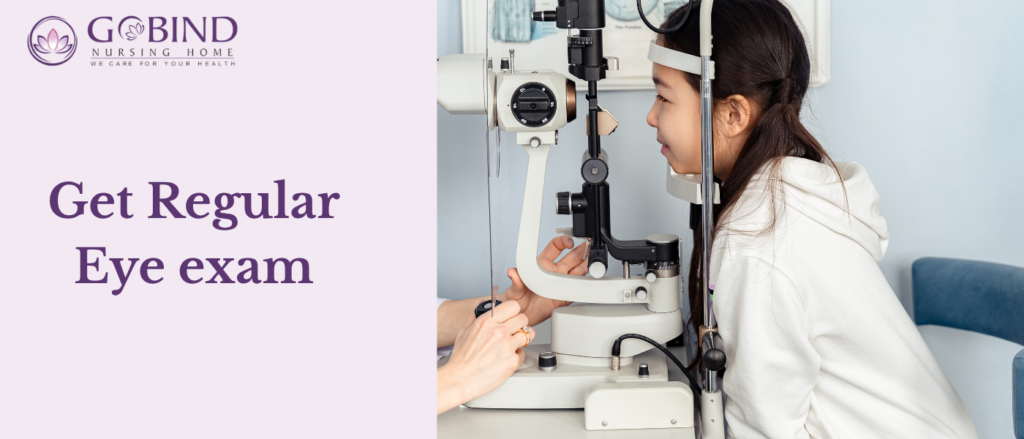
One of the most important steps in maintaining good vision is having your eyes examined regularly.
An eye examination can detect cataracts as well as other eye conditions that may not produce obvious symptoms during their early stages.
An eye doctor can evaluate:
- Visual sharpness
- The condition of the lens
- Eye pressure
- Retina and optic nerve health
- Other changes affecting vision
The recommended frequency of eye examinations depends on your age, health, family history, and existing eye conditions.
Can Eye Exercises Prevent Cataracts?
Eye exercises are sometimes promoted online as a way to prevent cataracts. However, there is no strong evidence that eye exercises can stop the natural clouding of the eye’s lens.
Eye exercises may be useful for certain specific visual or focusing problems, but they cannot reverse a cataract.
For reliable eye treatment, it is better to consult a qualified eye-care professional rather than relying on unproven remedies.
What Happens If a Cataract Develops?
If a cataract is small and does not significantly interfere with your daily activities, an eye doctor may recommend monitoring it.
In the early stages, some people may benefit from:
- Updated glasses
- Better lighting while reading
- Anti-glare measures
- Sunglasses for outdoor activities
- Regular monitoring
However, cataracts do not usually disappear on their own. As the cataract becomes more advanced and starts affecting daily life, eye surgery may be considered.
Get Professional Eye Care When You Need It
Cataracts are often a natural part of aging, but that does not mean changes in vision should be ignored. Healthy lifestyle choices, regular eye examinations, and timely eye treatment can help protect your vision and maintain your quality of life.
If you are experiencing symptoms of cataracts or want to understand your eye health better, consider consulting an experienced eye doctor at Gobind Nursing Home. A professional evaluation can help identify cataracts and determine whether monitoring, vision correction, or eye surgery may be appropriate for your condition.
Your vision is an important part of your independence and everyday life. Taking care of your eyes today can help you see more clearly tomorrow.