
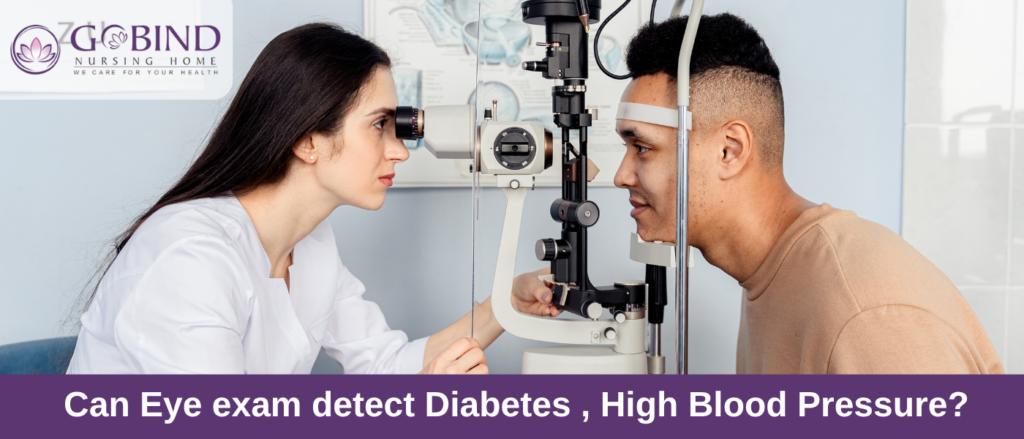
Most people think an eye exam is only about checking whether they need glasses or contact lenses. However, a comprehensive eye examination can reveal much more than changes in vision. In many cases, your eyes can provide early warning signs of serious health conditions such as diabetes, high blood pressure, high cholesterol, autoimmune diseases, and even certain neurological disorders.
Because the eyes contain tiny blood vessels, nerves, and delicate tissues that can be directly examined, they often reflect what’s happening throughout the rest of the body. This is why regular eye care is an essential part of maintaining overall health—not just clear vision.
Why Are the Eyes Called the Window to Your Health?
The eye is the only place in the human body where blood vessels and nerves can be viewed directly without surgery. During a comprehensive eye examination, an eye doctor can examine the retina, optic nerve, blood vessels, and surrounding tissues for abnormalities.
Some health problems first discovered during an eye exam include:
- Diabetes
- High blood pressure
- High cholesterol
- Thyroid disorders
- Brain tumors
- Multiple sclerosis
- Certain types of cancer
This makes routine eye care much more valuable than many people realize.
Can an Eye Exam Detect Diabetes?
Yes. One of the most common health conditions detected during an eye examination is diabetes.
High blood sugar damages the tiny blood vessels inside the retina, leading to a condition known as diabetic retinopathy. Surprisingly, many people have diabetic retinopathy before they even know they have diabetes.
Early Signs an Eye Doctor May Notice
During a retinal examination, your eye doctor may detect:
- Tiny leaking blood vessels
- Swelling of the retina
- Small retinal hemorrhages
- Fluid accumulation
- Abnormal new blood vessel growth
- Damage to the macula
These changes may appear long before a patient experiences blurred vision.
If these signs are present, your eye doctor may recommend blood sugar control through your physician.
How Does Diabetes Affect Vision?
Uncontrolled diabetes can damage several parts o⁸f the eye.
Common Eye Problems Caused by Diabetes
Diabetic Retinopathy
Damage to retinal blood vessels that can eventually lead to vision loss.
Diabetic Macular Edema
Fluid leaks into the macula, causing blurred central vision.
Cataracts
People with diabetes often develop cataracts at a younger age.
Glaucoma
Diabetes increases the risk of developing glaucoma, which damages the optic nerve.
Early diagnosis through regular eye care allows timely eye treatment that can help preserve vision.
Can an Eye Exam Detect High Blood Pressure?
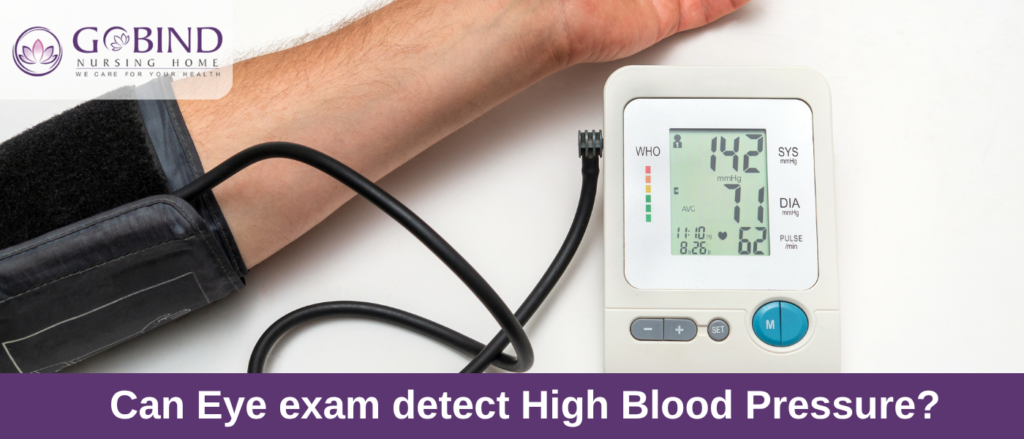
Absolutely.
High blood pressure, also known as hypertension, affects blood vessels throughout the body—including those inside the eyes.
During a dilated eye examination, an eye doctor may observe changes that suggest long-term or uncontrolled hypertension.
Signs of High Blood Pressure in the Eyes
These include:
- Narrowed retinal arteries
- Bleeding inside the retina
- Swollen optic nerve
- Cotton wool spots
- Damaged blood vessels
- Retinal vein blockage
Sometimes these eye changes are the first indication that blood pressure is dangerously high.
Can an Eye Exam Detect High Cholesterol?
Yes.
Excess cholesterol can leave visible signs in the eyes.
An eye doctor may notice:
- Yellowish deposits around the eyelids (Xanthelasma)
- Cholesterol plaques inside retinal blood vessels
- Retinal artery blockages
These findings may indicate an increased risk of heart disease or stroke.
Patients are often referred for cholesterol testing after these signs are detected.
Can Eye Exams Detect Thyroid Problems?
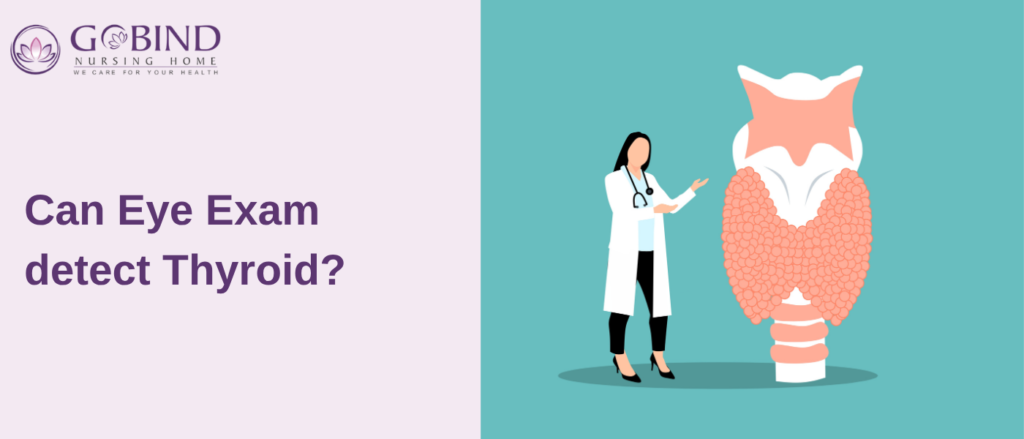
Thyroid disease, especially Graves’ disease, often affects the eyes.
Signs include:
- Bulging eyes
- Dryness
- Double vision
- Swollen eyelids
- Difficulty moving the eyes
Many patients first visit an eye clinic because of these symptoms before receiving a thyroid diagnosis.
Is Eye Surgery ever needed ?
Not every eye condition requires eye surgery , but some diseases discovered during an eye examination may eventually need surgical intervention.
Common procedures include :
- Cataract surgery
- Glaucoma surgery
- Retinal surgery
- Laser Treatment for diabetic retinopathy
- Vitrectomy for advanced retinal disease
The need for surgery depends on the severity of the condition.
Conclusion
A comprehensive eye examination is about far more than checking your eyesight. Your eyes can reveal early signs of diabetes, high blood pressure, high cholesterol, thyroid disorders, autoimmune diseases, and even neurological conditions before other symptoms appear.
Regular eye care not only protects your vision but can also play a crucial role in safeguarding your overall health. By scheduling routine eye exams with an experienced eye doctor, you give yourself the best chance of detecting problems early, receiving timely eye treatment, and preventing serious complications.