
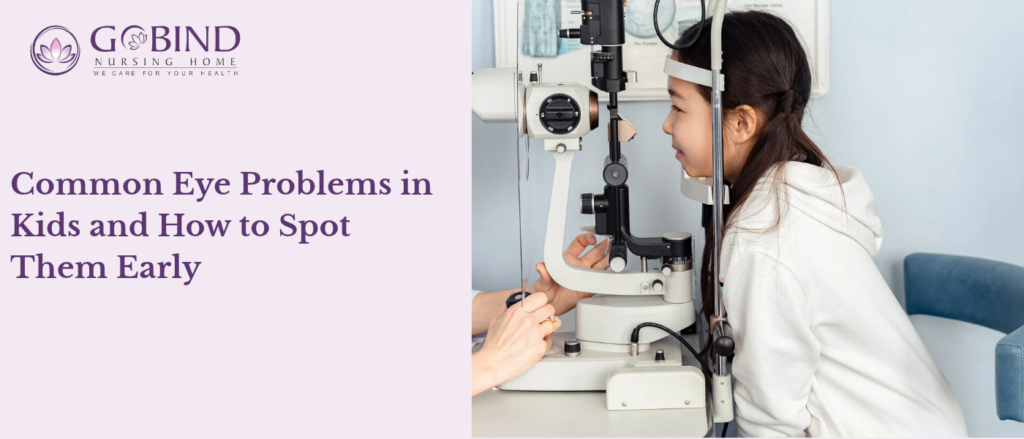
Children use their eyes every day to learn, play, read, recognize faces, and explore the world around them. However, many eye problems in kids can develop quietly, and children may not always realize that their vision is not normal. Early detection is therefore an important part of good eye care and can help prevent minor vision issues from affecting learning and development.
From frequent eye rubbing and squinting to lazy eye, refractive errors, eye infections, and crossed eyes, childhood eye conditions can have different causes and symptoms. Parents, teachers, and caregivers should know what to look for and when to consult an eye doctor.
Regular eye check-ups, timely eye treatment, and professional guidance can protect a child’s vision and support healthy visual development. In some cases, conditions may require glasses, medication, vision therapy, or, when medically necessary, eye surgery.
Why Early Eye Care Matters for Children
A child’s visual system continues developing during the early years of life. If one or both eyes are not functioning properly, the brain may gradually rely more heavily on the stronger eye. If the problem remains untreated, it can sometimes lead to long-term vision difficulties.
Children may not complain about poor eyesight because they may assume that everyone sees the world in the same way. This makes it especially important for parents to notice behavioral and physical signs.
Early eye care can help:
- Detect vision problems before they affect school performance.
- Identify conditions that may become more difficult to treat later.
- Reduce the risk of permanent vision loss from certain childhood conditions.
- Improve a child’s comfort while reading, studying, or using digital devices.
- Support normal visual development.
Common Eye Problems in Kids
1. Refractive Errors
Refractive errors are among the most common vision problems in children. They include myopia (short-sightedness), hyperopia (long-sightedness), and astigmatism.
A child with myopia may see nearby objects clearly but struggle to see things at a distance. For example, they may have difficulty reading the classroom board.
Signs may include:
- Squinting to see distant objects.
- Sitting very close to the television.
- Holding books or screens unusually close.
- Complaining about blurred vision.
- Difficulty seeing classroom boards.
- Frequent headaches or eye strain.
An eye doctor can perform a comprehensive examination and determine whether glasses or another form of eye treatment is required.
2. Amblyopia or Lazy Eye
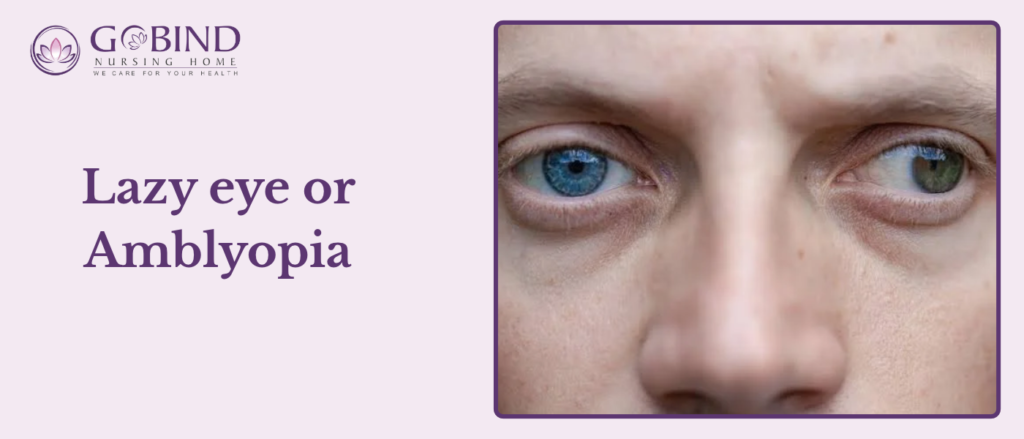
Amblyopia, commonly called lazy eye, occurs when one eye does not develop normal vision. It can happen because of unequal vision between the eyes, crossed eyes, or certain other eye conditions.
Children may not notice that one eye is weaker because the stronger eye compensates for it.
Possible signs include:
- Poor depth perception.
- Difficulty focusing.
- One eye appearing to wander.
- Closing one eye while looking at something.
- Problems with hand-eye coordination.
Early diagnosis is particularly important because treatment is generally more effective when started during childhood.
3. Strabismus or Crossed Eyes
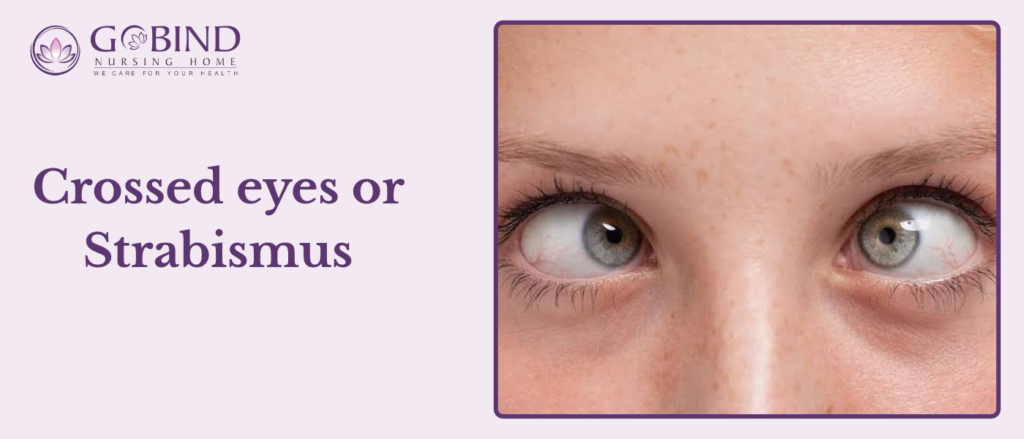
Strabismus occurs when the eyes do not align properly. One eye may turn inward, outward, upward, or downward while the other looks straight ahead.
Some children have noticeable eye misalignment all the time, while others experience it only occasionally.
Parents should consult an eye doctor if they notice:
- One eye turning in or out.
- Eyes not moving together.
- Frequent head tilting.
- Closing one eye in bright light.
- Difficulty judging distances.
Depending on the cause and severity, treatment may include glasses, eye exercises, patching, medication, or sometimes eye surgery.
4. Conjunctivitis or Pink Eye
Conjunctivitis is an inflammation of the conjunctiva, the thin membrane covering part of the eye. It can be caused by viruses, bacteria, or allergies.
Common symptoms include:
- Red or pink eyes.
- Watery eyes.
- Itching.
- Discharge or crusting around the eyelids.
- Swelling or irritation.
Because different types of conjunctivitis require different approaches, parents should avoid using random eye drops without professional advice. Appropriate eye treatment depends on the underlying cause.
5. Allergic Eye Problems
Children can develop eye allergies because of pollen, dust, pet dander, pollution, or other allergens. Allergic eye symptoms can sometimes occur alongside sneezing or a runny nose.
Look for:
- Persistent itching.
- Redness.
- Watery eyes.
- Swollen eyelids.
- Frequent eye rubbing.
Repeated eye rubbing can irritate the eyes further. If symptoms are persistent or severe, an eye doctor can recommend suitable treatment.
6. Digital Eye Strain
Children today spend significant time using smartphones, tablets, computers, and other digital screens. Long periods of screen use may contribute to eye fatigue and discomfort.
Symptoms can include:
- Tired eyes.
- Headaches.
- Blurred vision after screen use.
- Dry or watery eyes.
- Difficulty concentrating.
- Frequent blinking or rubbing the eyes.
Parents can encourage children to take regular breaks, maintain a comfortable viewing distance, use appropriate lighting, and spend time outdoors.
How Parents Can Spot Eye Problems Early
Children may not always say that they cannot see clearly. Instead, changes in behavior can provide important clues.
Watch for these warning signs:
- Frequent squinting – The child may be trying to improve focus.
- Sitting too close to screens – This may indicate difficulty seeing from a distance.
- Frequent headaches – Especially after reading, studying, or screen use.
- Excessive eye rubbing – May indicate irritation, allergy, dryness, or visual discomfort.
- Head tilting – Children sometimes change their head position to see more clearly.
- Closing one eye – This can occur when a child has difficulty with alignment or focusing.
- Poor school performance – Undiagnosed vision problems can sometimes make reading or seeing the board difficult.
- Difficulty reading – Losing a place while reading or avoiding close-up work can be a warning sign.
- Unusual eye appearance – Persistent redness, swelling, cloudiness, or an abnormal pupil reflection should not be ignored.
- One eye turning or wandering – This may indicate strabismus and requires professional evaluation.
When Should a Child See an Eye Doctor?
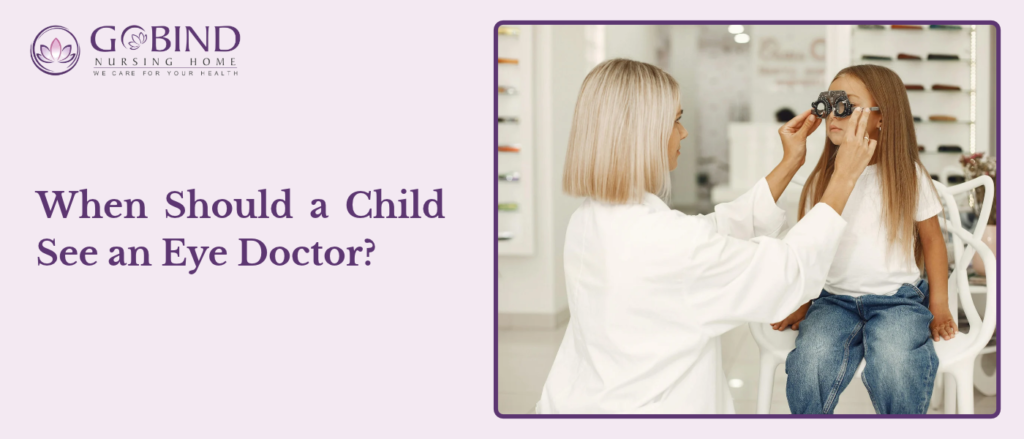
Parents should not wait for a child to complain about vision problems. A professional eye examination can identify problems that may not be obvious at home.
An eye doctor should be consulted if a child has:
- Persistent blurred or double vision.
- Frequent headaches associated with visual tasks.
- Noticeable eye misalignment.
- Persistent redness or swelling.
- Sudden changes in vision.
- Eye pain or sensitivity to light.
- Difficulty reading or seeing the classroom board.
- A history of eye injury.
- A family history of certain eye conditions.
Children who already wear glasses or have a diagnosed eye condition may require examinations at intervals recommended by their eye-care professional.
What Happens During a Child’s Eye Examination?
A pediatric eye examination may involve several assessments depending on the child’s age and symptoms.
The eye doctor may evaluate:
- Visual sharpness.
- Eye alignment.
- Eye movement.
- Focusing ability.
- Coordination between both eyes.
- Refractive error.
- Overall eye health.
For younger children, specialized techniques can be used to assess vision even when they cannot read letters or clearly describe what they see.
Can Childhood Eye Problems Require Eye Surgery?
Not every childhood eye problem requires surgery. Many conditions can be managed with glasses, medicines, patching, vision therapy, or other non-surgical approaches.
However, certain conditions may require eye surgery when recommended by a qualified ophthalmologist. For example, surgery may sometimes be considered for specific cases of strabismus or other structural eye conditions.
The decision depends on the child’s age, diagnosis, severity, eye health, and response to other treatments. Parents should always discuss the benefits, risks, and alternatives with the treating specialist before considering surgery.
Final Takeaway
Healthy vision is an important part of a child’s growth, education, confidence, and everyday life. Many common eye problems in kids can be managed more effectively when they are identified early.
Don’t wait for your child to complain about their vision. Watch for changes in behavior, schedule appropriate eye examinations, and seek advice from an eye doctor whenever something seems unusual. Early attention today can help protect clearer vision for tomorrow.