
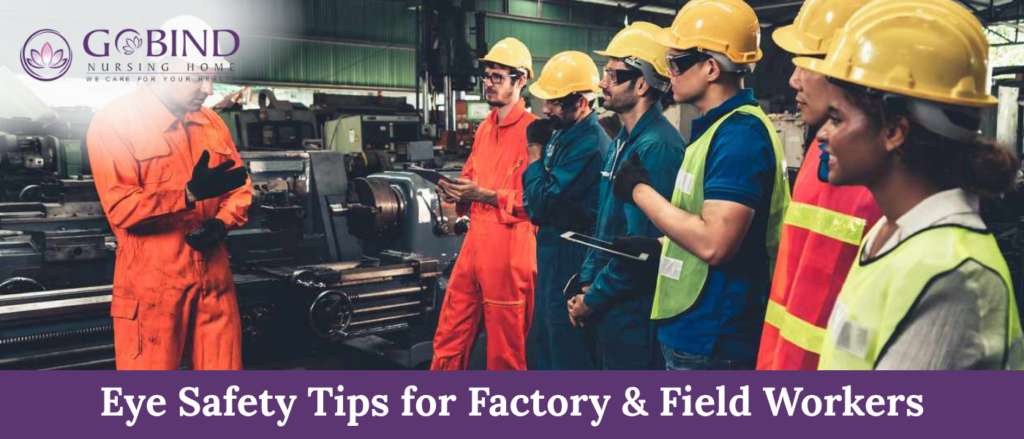
When it comes to workplace safety, eye protection is often overlooked—yet it is one of the most critical aspects of overall eye health. Every day, thousands of factory and field workers face risks from dust, chemicals, sharp objects, and intense light exposure. Without proper precautions, these hazards can lead to serious injuries or even permanent vision loss.
Whether you work in construction, agriculture, manufacturing, or any labor-intensive environment, prioritizing eye care is essential. Regular consultations with an eye specialist and following practical safety measures can make a huge difference in preventing eye-related injuries.
Why is Eye Safety Important for Workers?
Your eyes are extremely delicate and vulnerable. In industrial and outdoor work environments, even a minor accident can lead to long-term damage. According to workplace safety reports, a large percentage of eye injuries occur due to lack of protective gear or improper usage.
Common Workplace Eye Hazards
- Flying debris (metal, wood, dust particles)
- Chemical splashes and fumes
- UV radiation from sunlight or welding
- Smoke and harmful gases
- Sharp tools and machinery
Ignoring these risks can result in infections, burns, or vision impairment that may require immediate eye treatment at a professional eye hospital.
Top Eye Safety Tips for Factory Workers
Factory environments involve machinery, tools, and hazardous substances. Here’s how workers can protect their eyes effectively:
1. Always Wear Protective Eyewear
Protective goggles or safety glasses are your first line of defense.
- Use impact-resistant lenses
- Ensure a proper fit to avoid gaps
- Choose anti-fog and scratch-resistant coatings
2. Follow Safety Protocols
Every factory has safety guidelines—follow them strictly.
- Avoid shortcuts while handling machines
- Keep a safe distance from moving parts
- Never remove safety guards
3. Keep Work Areas Clean
Dust and debris increase the risk of eye injuries.
- Clean surfaces regularly
- Use proper ventilation systems
- Dispose of waste safely
4. Be Cautious with Chemicals
Chemical exposure can cause severe burns.
- Wear chemical splash goggles
- Store chemicals properly
- Wash eyes immediately if exposed
5. Regular Eye Checkups
Routine visits to an eye specialist help detect early signs of damage.
- Schedule annual eye exams
- Report any discomfort or vision changes
- Seek immediate eye treatment if injury occurs.
Types of Protective Eyewear
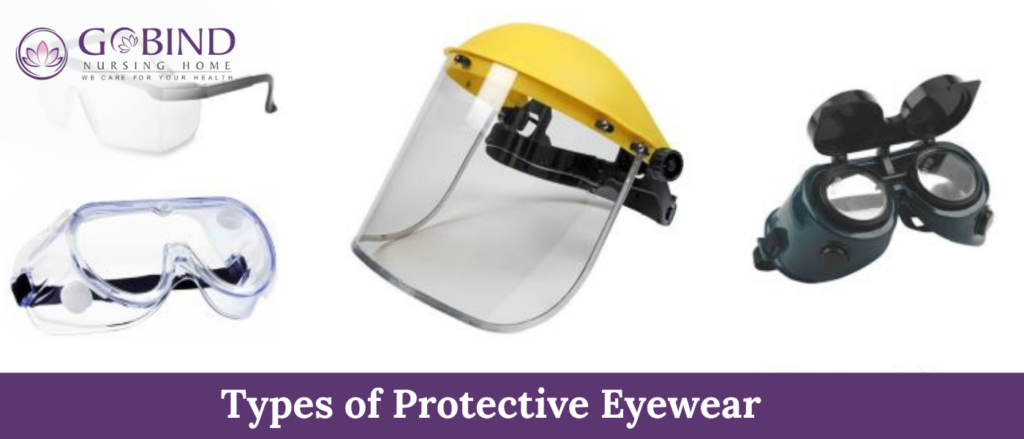
Choosing the right protective gear is crucial for maintaining eye health.
1. Safety Glasses
- Suitable for basic protection
- Lightweight and comfortable
2. Goggles
- Provide full coverage
- Ideal for chemical handling and dusty environments
3. Face Shields
- Protect against splashes and flying particles
- Often used in combination with goggles
4. Welding Helmets
- Protect against intense light and heat
- Essential for welding jobs
Consulting an eye specialist can help you choose the right eyewear based on your work environment.
Signs of Eye Injury You Should Never Ignore
Even minor symptoms can indicate serious issues. Seek immediate eye tratment at a trusted eye hospital if you experience:
- Redness or swelling
- Blurred or double vision
- Persistent eye pain
- Sensitivity to light
- Excessive tearing
Early diagnosis at a reputed center like Gobind eye care can prevent complications and ensure proper recovery.
Workplace Safety Practices for Employers
Employers play a key role in ensuring worker safety.
1. Provide Proper Equipment
- Supply certified protective eyewear
- Replace damaged gear regularly
2. Conduct Safety Training
- Educate workers about risks
- Demonstrate correct use of equipment
3. Maintain Safety Standards
- Regular inspections
- Hazard identification and control
4. Encourage Regular Eye Checkups
Partnering with a trusted eye hospital like Gobind eye care ensures employees receive timely care and preventive guidance.
Long-Term Eye Care for Workers
Protecting your eyes is not just about immediate safety—it’s about long-term vision health.
Healthy Habits to Follow
- Eat a balanced diet rich in vitamins A, C, and E
- Take breaks to reduce eye strain
- Avoid smoking and exposure to harmful substances
- Maintain hygiene and cleanliness
Regular visits to an eye specialist help monitor your eye health and prevent serious conditions.
Conclusion
Eye safety is not optional—it’s essential. Factory and field workers face daily risks that can impact their vision permanently if ignored. By following simple yet effective eye care practices, wearing protective gear, and seeking timely eye treatment, you can safeguard your vision for life.
Whether it’s a minor irritation or a serious injury, never delay consulting an eye specialist or visiting a trusted eye hospital like Gobind eye care. Your eyes are invaluable—protect them with care, awareness, and the right safety measures.